

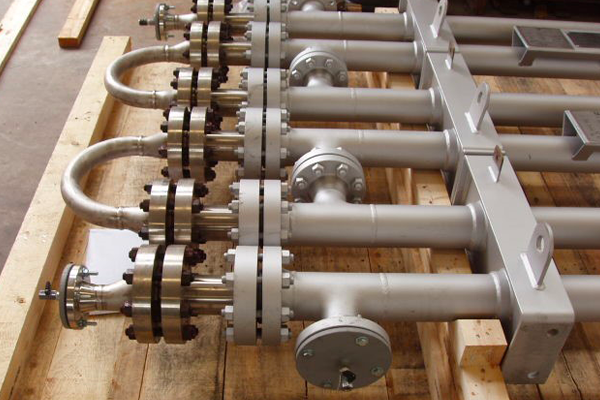
Hairpin heat exchangers are widely valued in commercial applications for their flexibility, durability, and efficiency, particularly in excessive-strain and high-temperature environments. However, positive industries require these exchangers to fulfill precise operational desires that cross past preferred designs. In these cases, developing a custom warmness exchanger can maximize efficiency, reduce power intake, and offer a extra effective answer. This article explores the detailed process of custom designing hairpin warmth exchangers, emphasizing the blessings and issues that move into growing those specialised systems.
Understanding Hairpin Heat Exchangers: An Overview
Hairpin heat exchangers include a U-shaped (or hairpin-shaped) tube package inside a shell. This configuration lets in for a counterflow heat alternate method, wherein the hot and bloodless fluids glide in opposite guidelines, optimizing thermal efficiency. They are extensively used in chemical processing, petrochemicals, strength generation, and oil and fuel industries because of their compact layout, capacity to face up to excessive pressure, and efficiency in warmth switch.
Customizing a hairpin heat exchanger includes adjusting design parameters to fulfill unique necessities, inclusive of particular thermal loads, area constraints, fluid traits, and environmental factors. Customization guarantees that the exchanger can perform optimally inside the specific conditions of a specific utility.
Key Stages in Custom Designing Hairpin Heat Exchangers
Designing a custom warmness exchanger tailored to man or woman desires involves numerous essential degrees. From initial necessities collecting to fabrication and checking out, every segment is critical for ensuring the unit's effectiveness, sturdiness, and performance.
- Requirements Gathering and Analysis
The customization procedure starts offevolved with collecting particular necessities and reading the application’s wishes. This phase is essential for determining the heat exchanger’s overall design and materials.
Thermal Requirements: Engineers assess the heat transfer necessities, consisting of the desired temperature trade, the warmth load, and the heat transfer coefficient had to meet overall performance dreams.
Fluid Properties: The characteristics of the fluids involved (which includes viscosity, density, corrosiveness, and fouling dispositions) have an effect on the selection of substances and tube configurations.
Pressure and Temperature: High-pressure and excessive-temperature conditions require the exchanger to be constructed with specialized substances and a strong structure to resist those intense environments.
Space Constraints: Engineers take measurements of the to be had installation vicinity, ensuring the exchanger’s dimensions healthy the distance even as permitting room for maintenance and inspection.
By amassing this information, engineers can create a preliminary layout that suits the precise demands of the system. - Selecting Materials for Durability and Efficiency
Choosing the proper substances is vital in the customization system, as they affect the warmth exchanger’s durability, performance, and resistance to wear and corrosion.
Tube and Shell Materials: For excessive-strain and high-temperature applications, materials such as chrome steel, titanium, or alloys may be selected. Stainless metallic is famous for its corrosion resistance, specifically while handling competitive or corrosive fluids.
Fouling Resistance: Custom warmness exchangers regularly need anti-fouling features if used in environments vulnerable to fouling. Special coatings or anti-fouling materials can reduce protection necessities and enhance operational performance.
Gasket and Seal Selection: In a custom warmth exchanger, choosing durable gaskets and seals that fit the fluids and temperatures worried is important for stopping leaks and maintaining performance.
By customizing the substances to healthy the precise necessities, engineers make sure the hairpin heat exchanger will operate reliably and correctly over a long length. - Optimizing the Heat Exchanger Design
Design optimization is where engineers recognition on maximizing the custom warmth exchanger’s efficiency and overall performance. This consists of modifications to the tube configuration, fin type, and surface area.
Tube Design and Configuration: The U-shaped or hairpin tubes are commonly organized in a counterflow pattern to maximize thermal efficiency. The number of tubes, their duration, and the inner diameter are custom designed primarily based at the software’s thermal load.
Flow Pattern and Velocity: Engineers design the glide pattern to maximise heat transfer whilst minimizing stress drops. For example, turbulent waft can decorate warmness transfer but calls for higher pumping electricity. Engineers should stability these factors to attain an efficient and in your price range design.
Fin Types and Spacing: In programs requiring additional warmth transfer floor vicinity, finned tubes can be used. Customizing the fin spacing and kind permits engineers to govern the warmth exchanger’s thermal performance whilst dealing with strain drops. - Fabrication and Assembly
Once the layout is finalized, the fabrication and assembly phase starts offevolved. This level requires precision and interest to element to make certain that each one additives meet the specifications determined inside the design section.
Tube Bending and Welding: For hairpin warmness exchangers, the tubes ought to be bent and welded correctly to reap the U-shaped configuration. Skilled welders perform these responsibilities, making sure all welds are durable and leak-proof.
Fitting the Shell and Tubes: The tube package is inserted into the shell and secured, ensuring a tight in shape that prevents fluid leakage and maintains the exchanger’s structural integrity. Any customization in shell thickness or duration is taken into account for the duration of this system.
Installing Gaskets and Seals: All seals and gaskets are installed to match the substances and specs identified throughout the design method. These components are vital for stopping leaks and maintaining pressure inside the gadget. - Testing and Quality Control
Testing is a essential step in ensuring the custom warmth exchanger will function properly and efficiently in real-global conditions. Quality manipulate measures verify that the unit meets all design specs and is unfastened from defects.
Pressure and Leak Testing: High-pressure testing ensures that the exchanger can handle the operational pressures with out leaks or structural weaknesses.
Thermal Performance Testing: Engineers check the exchanger’s thermal performance to verify it meets the heat transfer necessities. Any discrepancies from the expected performance may be addressed before the unit is sent.
Inspection and Certification: The very last unit undergoes an intensive inspection for compliance with enterprise requirements and protection rules. Certifications, wherein required, offer in addition assurance of the exchanger’s reliability and suitability for its supposed use. - Installation and Commissioning
Once the custom warmness exchanger has been tested and authorised, it is prepared for installation. Installation includes securing the unit in location, connecting it to the machine, and conducting a final spherical of operational assessments.
Proper Placement: Positioning the exchanger in a area that allows for clean preservation and green operation is critical for long-time period success.
Operational Testing: After installation, engineers perform operational checks to make certain the exchanger is working effectively inside the large system. This step verifies that all components are functioning as predicted and that the warmth exchanger is achieving the required overall performance ranges.
Benefits of Custom-Designed Hairpin Heat Exchangers
The technique of designing and manufacturing a custom heat exchanger may also involve full-size time and funding, but the resulting advantages are vast:
- Improved Efficiency: Custom designs make sure that the exchanger meets particular thermal necessities, which improves gadget efficiency and decreases electricity prices.
- Enhanced Durability: Tailoring substances and construction to the application’s specific needs method the warmth exchanger is better suited to withstand environmental stresses.
- Reduced Downtime: Custom devices are regularly less difficult to keep and much less prone to problems, main to much less downtime and decrease upkeep fees.
- Longer Lifespan: Proper fabric choice and customized functions growth the durability of the warmth exchanger, imparting a higher go back on investment.
- Adaptability: Custom heat exchangers may be tailored to match precise spatial constraints, which is particularly useful in facilities with restricted space.
Conclusion: Custom Heat Exchangers for Optimal Performance
A custom warmth exchanger is an funding in overall performance, efficiency, and reliability, in particular for packages with specific demands that trendy fashions cannot meet. Through careful design, material selection, and rigorous testing, custom-designed hairpin warmth exchangers deliver tailored answers that beautify thermal efficiency, durability, and value savings over time. While the customization method may additionally require time and sources, the long-term advantages of improved overall performance and reduced protection make it a worthwhile desire for industries with specialised heat switch wishes.
Comments