


Boom and bust
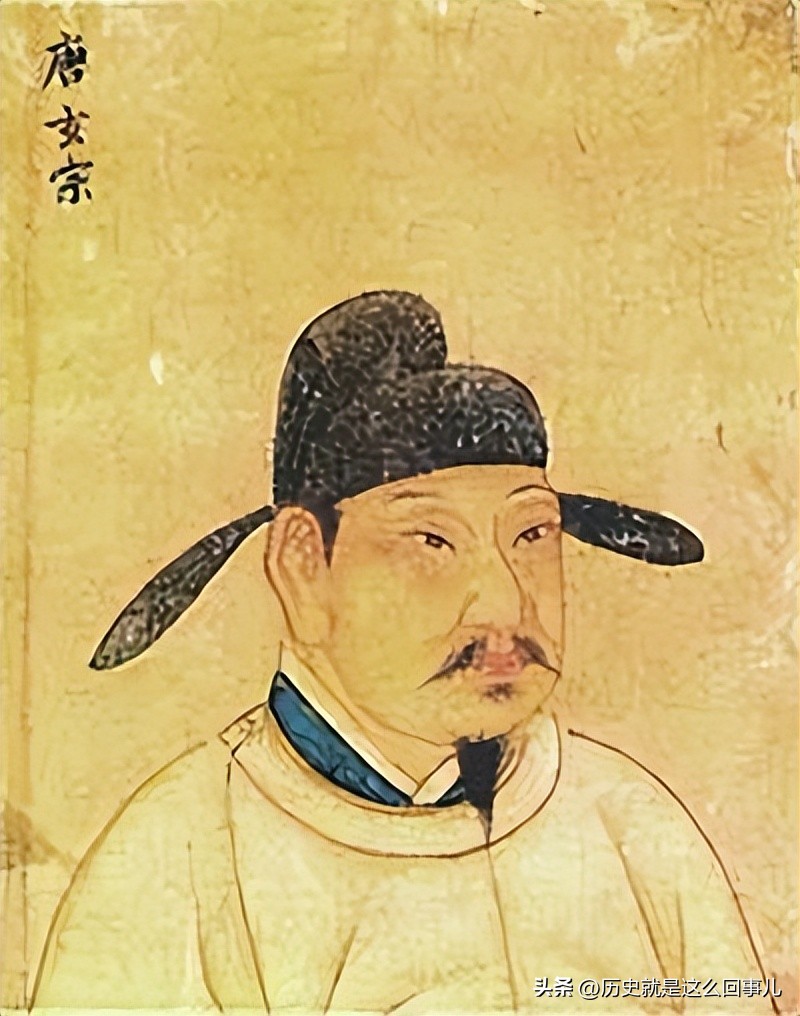
The period of Emperor Xuanzong of the Tang Dynasty can be divided into two parts: Kaiyuan and Tianbao. Among them, the politics of Kaiyuan period is relatively clear. Because of the increasingly corrupt politics since Wu Wei came to power, Xuanzong proposed to take Wu and Wei as warnings and take Zhenguan as an example as the guiding ideology of governance. He successively appointed virtuous ministers such as Yao Chong, Song Jing, Lu Huaishen, Zhang Jiuling and Han Xiu, and accepted advice widely. For example, Zhang Jiuling's suggestion was adopted to transfer capable people among the capital officials to be governors and governors to train administrative capabilities, and to promote promising governors and governors to be officials in the capital. Improve communication, understanding and trust between the central and local governments. Redundant officials such as foreign officials during the Wu Zhou Zhongzong period were reduced, and the organization was streamlined in order to save expenses and improve administrative capabilities. Strictly enforce the law and restrain the powerful, even if the royal relatives commit crimes, they will be brought to justice. It has a good impact on stabilizing social order. Strengthen the implementation of the land equalization system and crack down on local tyrants. Develop agricultural production, build water conservancy, expand the area of cultivated land, and greatly increase agricultural productivity.
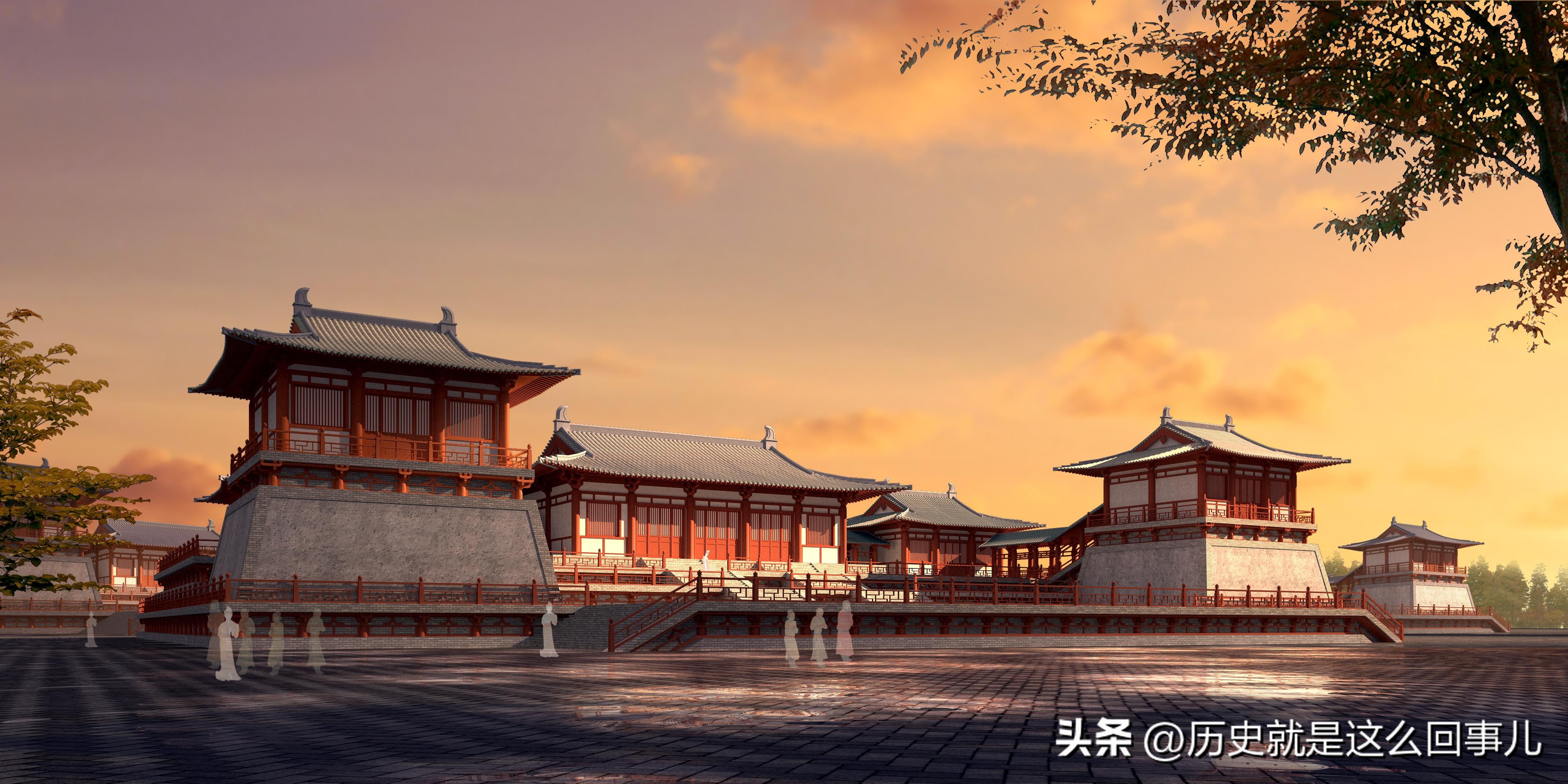
Externally, improve relations with Tubo, Eastern Turks, Khitan and Xi, and implement a peace policy. Follow the advice of Yao Chong and Song Jing, enrich the border military affairs, and avoid wars with foreigners. These measures brought the Tang Dynasty into its second heyday, with a large population growth and rich products, known as the Kaiyuan prosperity in history. At that time, not only the Central Plains, the Jianghuai region, and the Chengdu Plain were economically developed, but even the Hexi region of Longyou, which had a relatively small population, gradually prospered.
During the Tianbao period, Xuanzong was full of ambition, indulged in pleasure, ignored state affairs, and loved Concubine Wu Hui and his daughter-in-law Yang Guifei successively. At this time, the state affairs gradually became chaotic, Xuanzong dismissed the wise minister Zhang Jiuling, and successively made Li Linfu and Yang Guozhong as ministers. Li Linfu has the notoriety of "swords with honey and belly". John and An Lushan and other side generals. At this time, eunuchs also gradually rose, and Gao Lishi's power was very hot. In terms of military affairs, due to the collapse of the government military system due to the years of war in the Tang Dynasty, the source of troops was gradually changed to the recruitment system, and the forbidden army was further expanded.
In order to facilitate the control of the vast frontier, Xuanzong set up nine Jiedu envoys and one Jinglue envoy in 722. The Jiedushi was not only responsible for the military, but also took care of local civil affairs and finances. Over time, the Jiedushi became too big to lose its tail, which also became the reason for the separatism of the feudal towns. On the external side, Xuanzong was very happy with his achievements, so he would often provoke foreign wars to invite military exploits. At that time, the Tang Dynasty was competing with Tubo and Heiyi Dashi (that is, the Abbasid Dynasty of the Arab Empire) for power in the Western Regions and Central Asia. Among them, the Battle of Talas in 751 was the most famous. Tang general Gao Xianzhi was defeated by the Abbasid Dynasty and the Shi Kingdom coalition forces, which weakened the absolute dominance of the Tang Dynasty in Central Asia. Then, because of the Anshi Rebellion broke out in China, the influence of the Tang Dynasty in Central Asia and the Western Regions was completely destroyed.
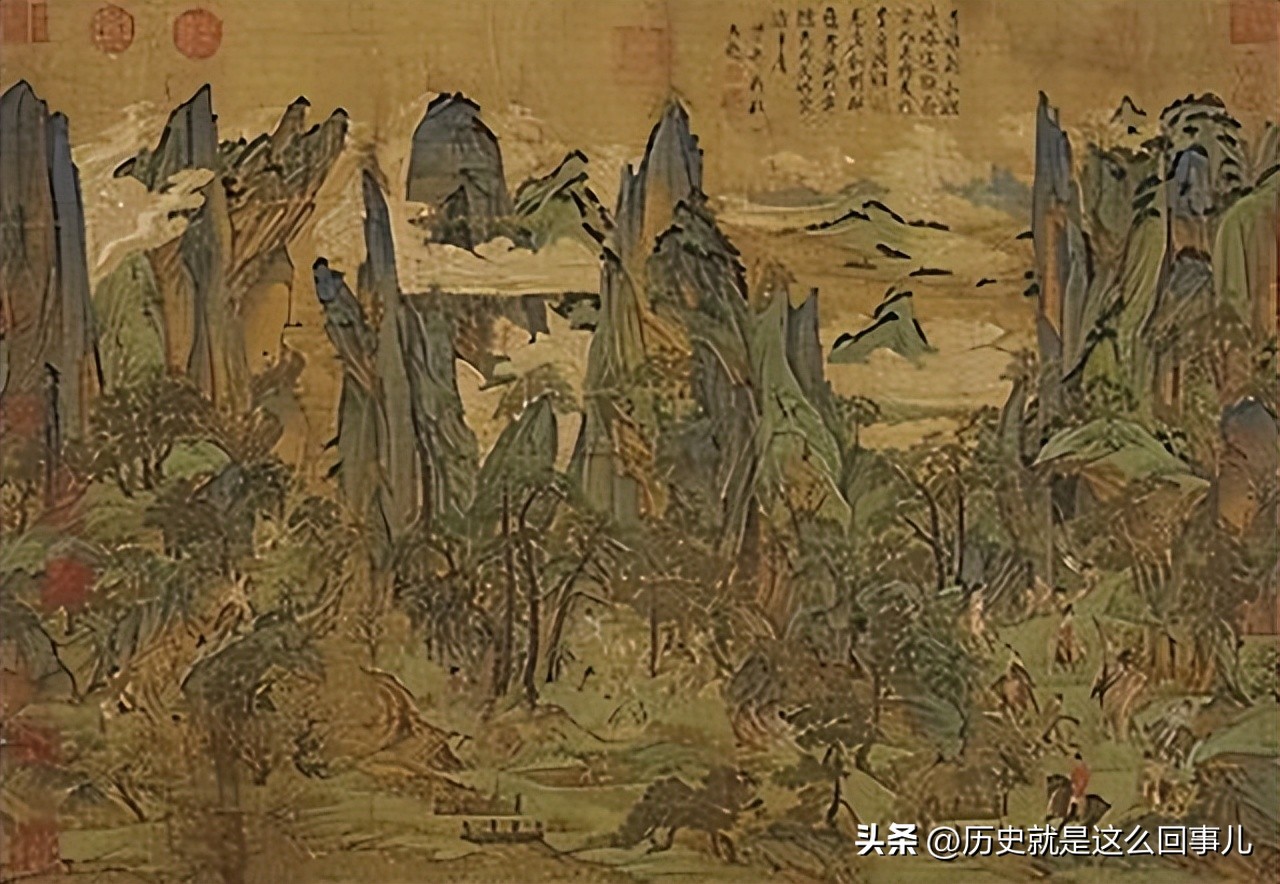
Ming Emperor's Happiness in Shu, painted by Li Zhaodao of Tang Dynasty, collected by the National Palace Museum
Jiedushi has great power, and when there is a conflict with the central government, there is a good chance of rebellion. At that time, An Lushan, who was also the Jiedushi of Fanyang, Pinglu, and Hedong, had the best chance. He was deeply favored by Xuanzong, and he fought with Prime Minister Yang Guozhong. In November 755, An Lushan launched a rebellion on the grounds of attacking Yang Guozhong, which was known as the Anshi Rebellion in history. Yang Guozhong and Feng Changqing believed that the enemy's army was not enough to worry about, so they ordered Guo Ziyi to send troops from Shuofang to Hebei, and Gao Xianzhi to send troops out of Tongguan to fight in Guandong. In December, both generals Feng and Gao were defeated, Luoyang, the eastern capital, fell, and the Tang army retreated to Tongguan. Feng and Gao were killed by slander, and Ge Shuhan was changed to guard Tongguan. Yan Gaoqing, the prefect of Changshan (now Zhengding, Hebei) who raised troops in Hebei, was also defeated by the rebel general Shi Siming in the first month of the following year, and all the Kanto areas fell. However, Guo Ziyi and Li Guangbi from Hedong marched into Hebei, joined forces in Hengzhou (now Zhending, Hebei), defeated the rebel general Shi Siming, and the rebel army was in chaos. However
However, Xuanzong and Yang Guozhong were eager to quell the chaos and forced Ge Shuhan to send troops. In June, Ge Shuhan's 80,000 soldiers and the bandit general Cui Qianyou fought in Lingbao Xiyuan. Ge Shuhan retreated to Tongguan, where Huoba Guiren and dozens of cavalrymen under his tent surrendered the thieves. The gates were closed and the capital was horrified. The imperial concubine was killed at the request of angry soldiers. Prince Li Heng was ordered by Xuanzong to go to Lingwu in the northwest to recruit soldiers. After An Lushan occupied Chang'an, he built Yan Yan. In July, after Li Heng arrived in Lingwu, he was proclaimed emperor under the support of eunuch Li Fuguo, that is, Suzong of Tang Dynasty, and Xuanzong was made the Supreme Emperor.
Suzong ordered his son Li Chu to lead the generals, assisted by Li Mi, and sent his servant Gu Huai'en to return to Hokage to invite soldiers. At that time, Tang general Fang Guan failed to counterattack Chang'an, and the situation was once critical. In 757, the rebels fought among themselves. An Qingxu, the son of An Lushan, killed his father and seized the throne. Shi Siming returned to guard Fanyang and took control of Hebei's army. Then Guo Ziyi and Li Guangbi led their troops back to Lingwu, joined forces with Huihe, and recovered Chang'an at the end of the year. However, the rebels captured Suiyang (now Shangqiu, Henan), an important town along the Yangtze River and Huaihe River, in October, and Zhang Xun and Xu Yuan died in battle. Fortunately, Guo Ziyi then captured Luoyang and contained the rebels. Soon, An Qingxu returned to Yecheng (now Linzhang, Hebei) to get rid of Shi Siming.
After Shi Siming learned about it, he surrendered to the Tang Dynasty, and the rebel forces were only in Yecheng. In 758, Guo Ziyi, Li Guangbi and other envoys besieged Yecheng. However, the fact that Tang Ting wanted to eliminate Shi Siming leaked out, and Shi Siming led the rebel army southward to defeat the Tang army in March of the following year, which was known as the Battle of Yecheng in history. Guo Ziyi was slandered by Yu Chaoen and returned to Chang'an. Shi Siming killed An Qingxu, annexed his ministry, proclaimed himself emperor, and took Fanyang as his capital; Li Guangbi retreated because the rebels captured Luoyang, and the situation took a turn for the worse. In 761, Li Guangbi failed to counterattack Luoyang, and Shi Siming was killed by his son Shi Chaoyi after winning the victory, and the rebel army fell apart. In 762, Emperor Taishang and Suzong died one after another, and Prince Li Yu (formerly known as Li Chu) succeeded to the throne, that is, Tang Daizong. Daizong sent his son Li Shi to lead the generals, and Pugu Huai'en as his deputy, led the Tang army and the Huihe army to conquer Luoyang. Shi Chaoyi went north to Fanyang, and Pugu Huai'en led his army to pursue it. Li Huaixian, a Hebei rebel general, also surrendered to the Tang army and pursued them together. In the first month of 763, Shi Chaoyi hanged himself in Shitou (now northeast of Tangshan, Hebei), and the eight-year war finally came to an end.
Comments