The Mysterious Death of Bruce Lee: | Unraveling the Truth | Biography
On July 20, 1973, tragedy struck, and Bruce Lee was found dead in his Hong Kong apartment. The circumstances surrounding his death were clouded in mystery, leading to various speculations and conspiracy theories. Initial reports suggested that he died from cerebral edema, a condition characterized by an accumulation of fluid in the brain. However, as details emerged, questions arose, and rumors began to circulate.
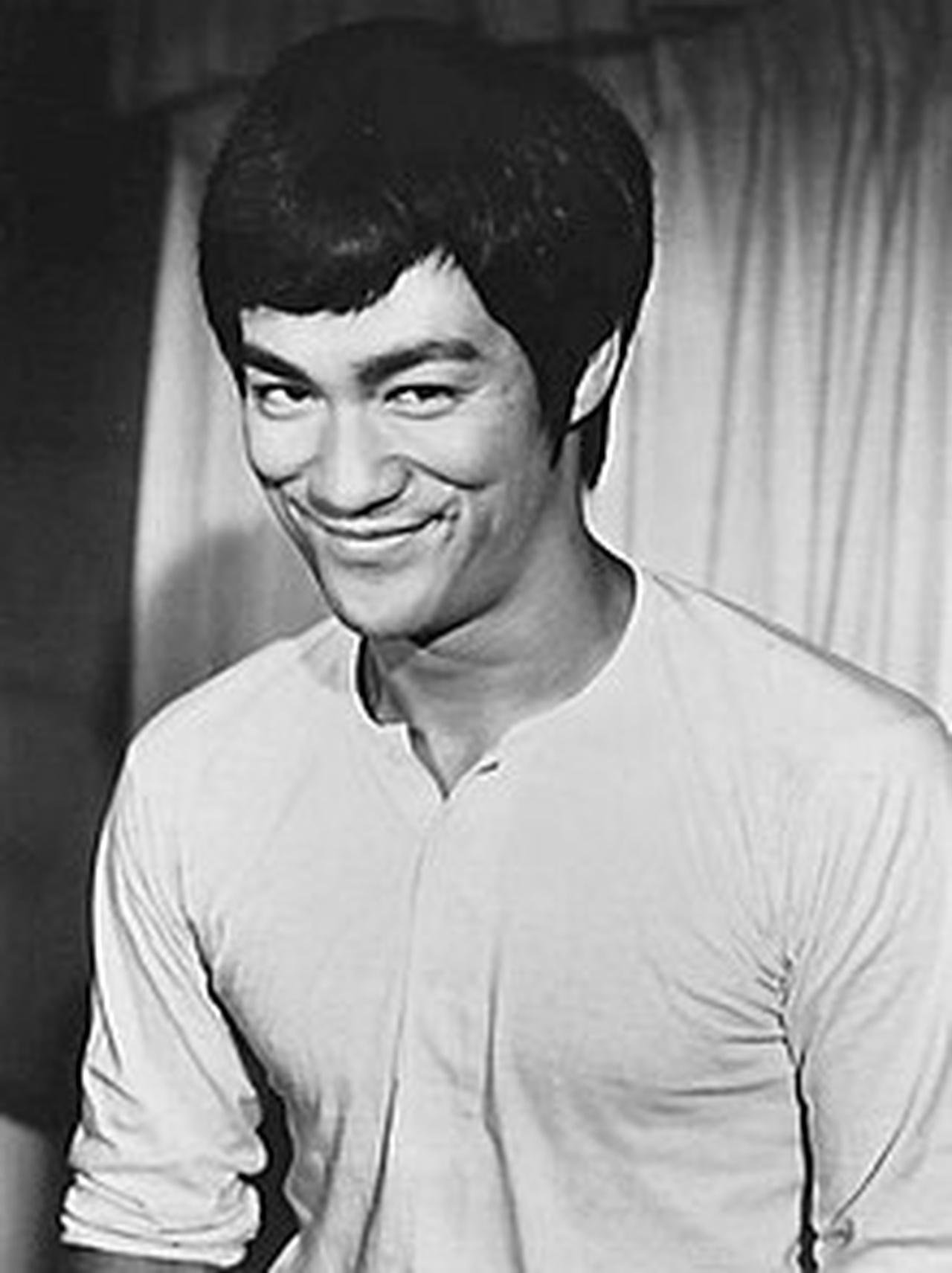
Cultural icon, martial arts legend, and action hero, Bruce Lee's life ended tragically on July 20, 1973, at the age of 32.
Lawrence Fishburne explores the mysteries surrounding Bruce Lee's sudden death.
The Lead-Up to Enter the Dragon:
Bruce Lee, on the brink of international fame, eagerly awaited the release of "Enter the Dragon" with Warner Brothers.
The film could make or break his career, presenting a significant turning point.
The Fatal Day - July 20, 1973:
Bruce, in Hong Kong, complains of a headache less than a month before "Enter the Dragon" hits theaters.
Takes a painkiller containing aspirin, goes for a nap, and never wakes up.
Investigation Unveiled:
Bruce's surviving brother, Robert Lee, questions the official cause of death – a fatal reaction to aspirin.
Enlists a former Hong Kong police detective, Chan, to uncover the truth.
Timeline of Events:
July 20, 1973: Bruce visits alleged mistress Betty Ting Pei, along with business partner Raymond Chao.
They discuss a follow-up film, "Game of Death," but tragedy strikes.
The Investigation Unfolds:
Chan examines official documents from the court inquest into Bruce's death, never publicly released by the Hong Kong government.
Looks for inconsistencies, strange decisions, and discrepancies in witness statements.
Public Suspicions:
Public views Betty Ting Pei as a prime suspect due to being present in the apartment when Bruce dies.
Raymond Chao's questionable actions raise suspicions, fueled by conflicts with Bruce over money.
Medical Findings - New Suspect Emerges:
Dr. Philip Bear, a forensic pathologist, suggests a new theory: Bruce Lee's death resulted from an idiosyncratic reaction to the tranquilizer meprobamate.
Meprobamate, present in the painkiller, may have caused fatal swelling of Bruce's brain.
The Tragic Accident:
Meprobamate, banned in recent years due to harmful side effects, was an unknown danger in 1973.
The conclusion: Bruce Lee's death was a tragic accident caused by an unforeseen reaction to a single tablet of the painkiller.
Closure for Robert Lee:
Robert Lee accepts the new conclusion, confirming that Bruce passed away peacefully.
Bruce's death, surrounded by mystery for decades, now has a scientifically supported explanation.
Conclusion:
The investigation brings closure to the enduring mystery of Bruce Lee's death, shedding light on a tragic accident that took away a martial arts legend at the peak of his career.




Comments