


When it comes to pest problems, people often think of conventional methods such as traps, pesticides, or professional pest control services. However, there are some unusual solutions that people have come up with to address pest issues. Here are a few examples:
1.Natural predators: Instead of using chemical pesticides, some individuals and farmers have introduced natural predators to control pest populations. For instance, ladybugs are known to feed on aphids, so releasing them in a garden can help control aphid infestations.
2.Companion planting: Certain plants can naturally repel pests or attract beneficial insects. Planting marigolds around vegetable gardens, for instance, can deter pests like nematodes. Similarly, attracting birds or bats to your property can help control insect populations.
3.Diatomaceous earth: Diatomaceous earth is a fine powder made from the fossilized remains of diatoms, a type of algae. It can be sprinkled around the areas where pests are present. The powder damages the exoskeleton of insects, causing them to dehydrate and die.
4.Essential oils: Some essential oils, such as peppermint, lavender, or eucalyptus oil, have been found to repel certain pests. Spraying diluted essential oils around windows, doorways, or other entry points can discourage pests from entering your home.
5.Electronic deterrents: There are various electronic devices available that emit ultrasonic or electromagnetic waves to repel pests. While the effectiveness of such devices is debated, some people have reported success in reducing pest problems using them.
6.Biological control: This approach involves introducing living organisms to control pest populations. For example, introducing bacteria or fungi that specifically target certain pests can help control their numbers.
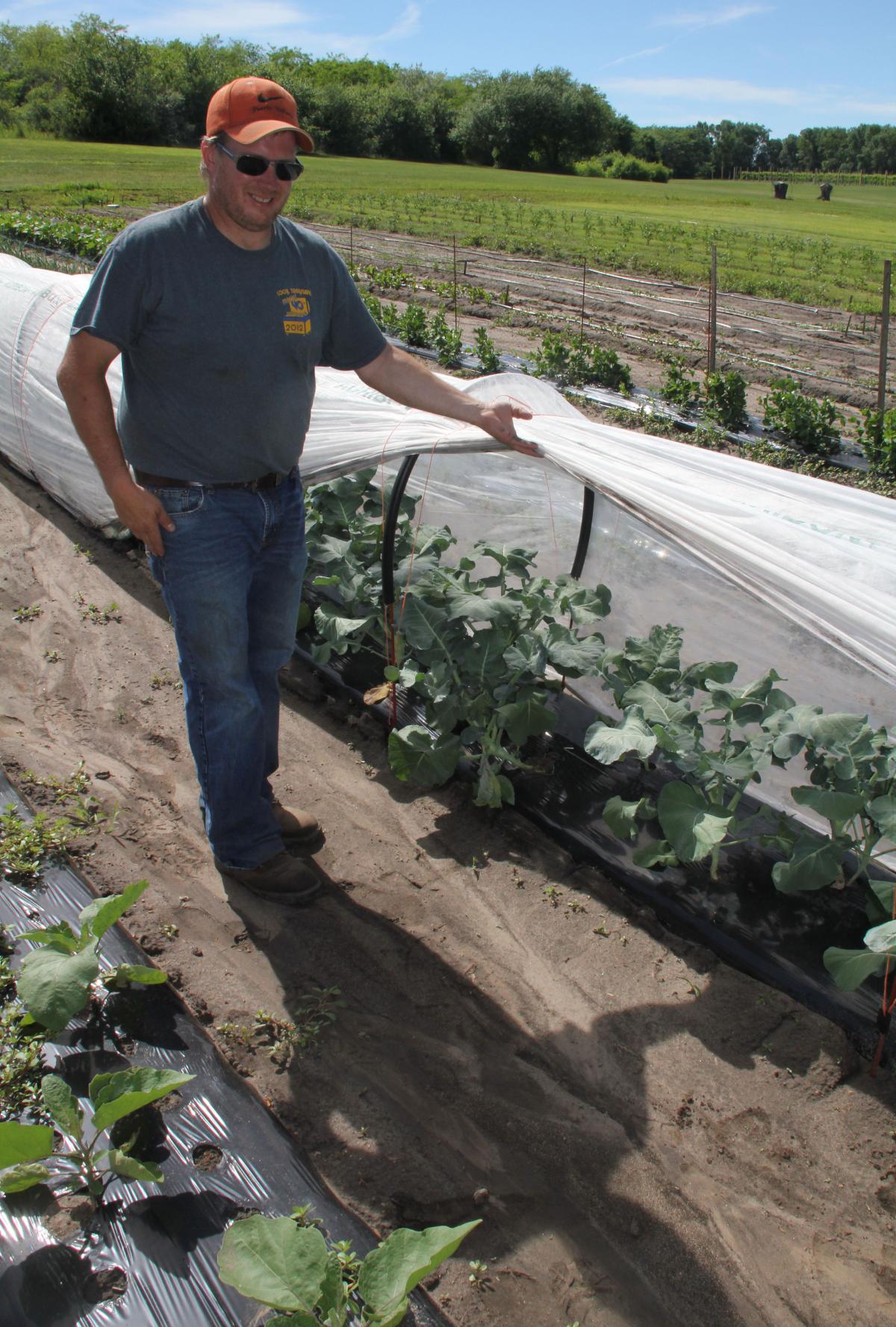
7.Physical barriers: Creating physical barriers can prevent pests from accessing certain areas. For example, copper tape can be wrapped around plant pots to deter slugs and snails, as they are sensitive to the metal. insect screens, bird nets, shade cloth, plastic mulch or other appropriate defense mechanisms to deter the infiltration of pests targeting your plants.
8.Vinegar solutions: Vinegar has multiple uses, including pest control. For instance, a mixture of vinegar and water can be sprayed on ant trails to disrupt their pheromone trails and discourage them from returning.
The environment is in bad shape, with water and air pollution being serious issues. If we continue to develop without considering nature, it will lead to the destruction of the earth and harm to people. Therefore, we must take steps to protect nature and ensure the well-being of everyone.
Check out 10 Organic Ways to Control Pests in the Garden


Comments