
Christian Sinding - Violin Concerto No. 2 (1901)
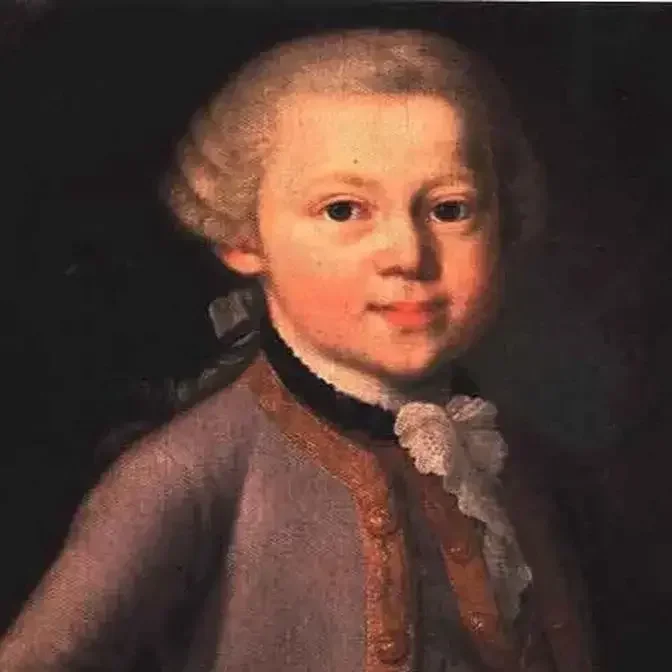
Christian August Sinding (11 January 1856 – 3 December 1941) was a Norwegian composer. He is best known for his lyrical work for piano Frühlingsrauschen (Rustle of Spring, 1896). He was often compared to Edvard Grieg and regarded as his successor.
Please support my channel on
https://Ko-fi.com/bartjebartmans
Violin Concerto No. 2 in D major, Op. 60 (c. 1901)
Dedication: Henri Marteau (1874-1934)
1. Allegro non troppo (0:00)
2. Andante in F♯ minor (15:33)
3. Finale. Allegro (26:12)
Andrej Bielow, violin and the NDR Radiophilharmonie conducted by Frank Beermann
Sinding mainly wrote songs, but one of his most popular works at the time was his Violin Concerto No. 1, Op. 45. His music publisher Wilhelm Hansen was soon able to book 40 performances and his German publisher Peters Verlag was interested in a sequel. Barely three years after his first violin concerto was premiered, his second was already performed. The one who was allowed to perform as a soloist on 20 October 1901 was Henri Marteau, a violinist who admired, played and admired the first violin concerto. Josef Řebíček led the orchestra in Berlin. The press was divided about the work. They thought it was beautiful but not very innovative.
Sinding studied music first in Christiania (now Oslo) before going to Germany, where he studied at the conservatory in Leipzig under Salomon Jadassohn and fell under the musical influences of Wagner and Liszt. He lived in Germany for much of his life but received regular grants from the Norwegian government. In 1921–22 he went to the United States of America to teach composition for a season at the Eastman School of Music in Rochester, New York.
Sinding's publishers required from him piano and chamber music, which had broader sales than the symphonic works he preferred. His own instrument was the violin. The large number of short, lyrical piano pieces and songs that Sinding wrote has led to many seeing him as the heir to his fellow countryman, Edvard Grieg, not so much in musical style but as a Norwegian composer with an international reputation. Sinding is best remembered today for one of his piano works, Frühlingsrauschen (Rustle of Spring, 1896). Among his other works are four symphonies, three violin concertos, a piano concerto,[10] chamber music, songs and choral works to Norwegian texts, and an opera, Der Heilige Berg (The Holy Mountain, 1914).