

Bernard Herrmann - Sisters (1972)
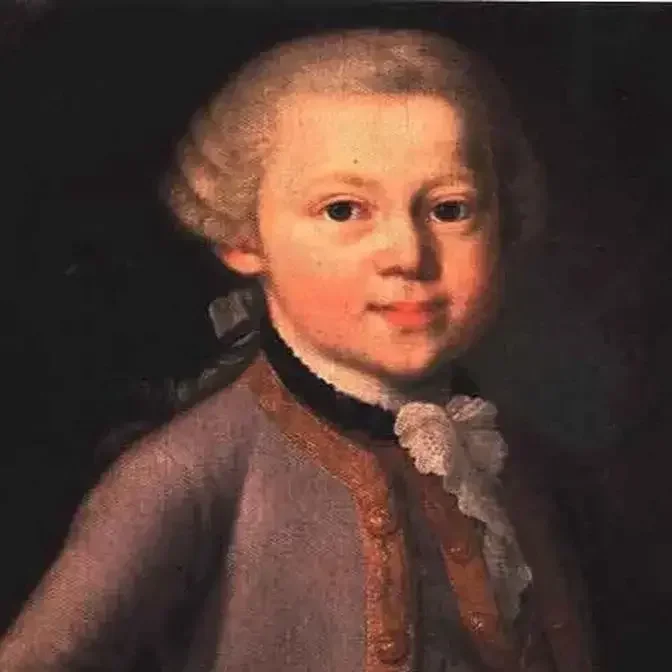
Bernard Herrmann (born Max Herman; June 29, 1911 – December 24, 1975) was an American composer known for his work in composing for motion pictures. As a conductor, he championed the music of lesser-known composers.
Please support my channel:
https://ko-fi.com/bartjebartmans
Sisters (1972)
Produced by Brian de Palma
Screenplay by Brian de Palma and Louisa Rose
1. Prelude (0:00) 2. Dressing Room (1:37)
3. The Ferry (2:56) 4. The Apartment (3:41)
5. Breton (5:31) 6. The Scar (6:37)
7. The Pills (8:35) 8. Duo (8:49)
9. The Cake (9:26) 10. The Car (10:01)
11. The Door (10:31) 12. Car Door (10:50)
13. The Candles (11:06) 14. Murder (12:07)
15. The Window (14:22) 16. Clean Up (15:11)
17. Split Screen (16:35) 18. The Search (17:19)
19. The Plastic Bag (18:12) 20. The Dress (18:34)
21. The Cake Box (19:21) 22. Exit (19:54)
23. Bakery (20:22) 24. Apartment House (21:00)
25. The Windows (21:39) 26. The Couch (23:45)
27. The Siamese Twins (24:51) 28. The Solution (27:28)
29. The Clinic (28:06) 30. Hypnotic Trance (30:41)
31. The Dream (31:23) 32. The Syringe (33:48)
33. Nightmare (35: 45) 34. The Knife (37:26)
35 and 36 missing
37. Aftermath (37:59) 38: Finale (38:49)
Description by Joseph Stevenson
Brian de Palma made his early film "Sisters" in a style that was deliberately derivative of the style of the master of suspense, Alfred Hitchcock. The story involves Siamese twins (Margot Kidder) who are separated at birth. One of them is a homicidal maniac. De Palma has written that it did not occur to him to use Herrmann as the composer until he saw a rough cut of the murder scene, which his film editor had paced by laying down a recording of the "shower scene" from Herrmann's score for Psycho as a temporary track.
At the time Herrmann was semi-retired but admired the screenplay enough to agree to score the film.
Herrmann's score begins with shocking force, over ex-ray photos of an embryo in the womb. Bells and horns sound a four-note motto theme, a typically Herrmannesque oscillating pattern of major and minor thirds that makes an unsettling feeling of instability. After the titles, droning music with a motive locked into unvarying repetitions accompany a scene in which a man is spying on a woman. The association between Herrmann and Hitchcock pays off here: The audience unconsciously recognizes Hitchcock's idée fixe of voyeurism. But De Palma twists this expectation: The presumed voyeurism is actually a stunt on a TV humor show called "Peeping Tom." Danielle (we learn later this is the homicidal twin) wins a set of carving knives. Now the choice of Herrmann pays a dividend. De Palma's switch into TV satire could have confused the audience into thinking this was some kind of comedy film. But the familiar "dangerous" music Herrmann provides has already told the audience what kind of film it is, so the gift of the big, sharp knives carries its proper message of fear, at least at some level.
Herrmann's music is, as is often his practice, scored for an unusual assortment of instruments. It relies heavily on strings, horns, bells, vibraphones, woodwinds, and an assortment of Moog synthesizers. These are not used as a cheap substitute for standard instruments, but to add an eerie, psychotic edge to the sound. While the film was a low-budget affair and did not get wide release, the film track was one of Herrmann's most original and shocking scores.