

Charles Gounod - Fantaisie sur l'hymne national Russe for Pedal Piano (1885)
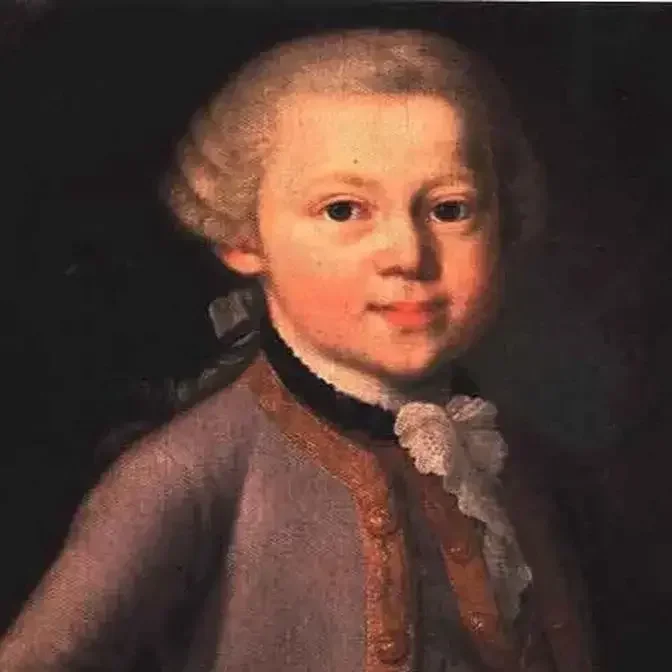
Charles-François Gounod (17 June 1818 – 18 October 1893), usually known as Charles Gounod, was a French composer. He wrote twelve operas, of which the most popular has always been Faust (1859); his Roméo et Juliette (1867) also remains in the international repertory. He composed a large amount of church music, many songs, and popular short pieces including his Ave Maria (an elaboration of a Bach piece), and Funeral March of a Marionette.
Please support my channel:
https://ko-fi.com/bartjebartmans
Fantaisie sur l'hymne national Russe, in F major, CG 522 for piano-pédalier and Orchestra (1885)
Dedication: Mme. Lucie Palicot (1857-19??)
Roberto Prosseda, piano-pédalier and the Orchestra della Svizzera italiana, conducted by Howard Shelley
Hyperion CDA67975
Here is a link to the live performance of Gounod's Pedalier Concerto with Roberto Prosseda at the piano
https://youtu.be/vW9mhB5qm70?si=uXWrXGzGy4zvzjEO
Details by Gérard Condé © 2013
The Fantaisie sur l’hymne national russe dates from 1885. Completed towards mid-September, this paraphrase of Alexey L’vov’s anthem God Save the Tsar was premiered on 16 November at the Salons Érard in Paris by Lucie Palicot, its dedicatee, with the composer accompanying her on a standard piano. The orchestral version received its first performance under the direction of Édouard Colonne at the Théâtre du Châtelet on 23 February 1886. We do not know what opportunity or reasons of friendship may have prompted Gounod to choose this theme.
After a brassy introduction, a condensed synthesis of the anthem, the piano states its two sections, then repeats them with the orchestra enriched by virtuoso pedal playing. A second exposition follows the same principle of contrast of color and texture, but now it is the brass, not the piano, that alternates with the full orchestra while the soloist presents a countermelody in semiquavers, sometimes on the pedal-board and sometimes on the keyboard.
The development introduces more numerous modulations. It is based on a broken four-note motif ‘à la Bach’ that eventually takes on the form of a fugal subject. The climax comes with a varied restatement of the hymn by the entire orchestra, supported by piano arpeggios and brightened by the glittering sound of the triangle. The conclusion, though deploying all the pomp called for by the context, is none the less coherent for that.