

The Norman Conquest of Ireland: A Transformative Era
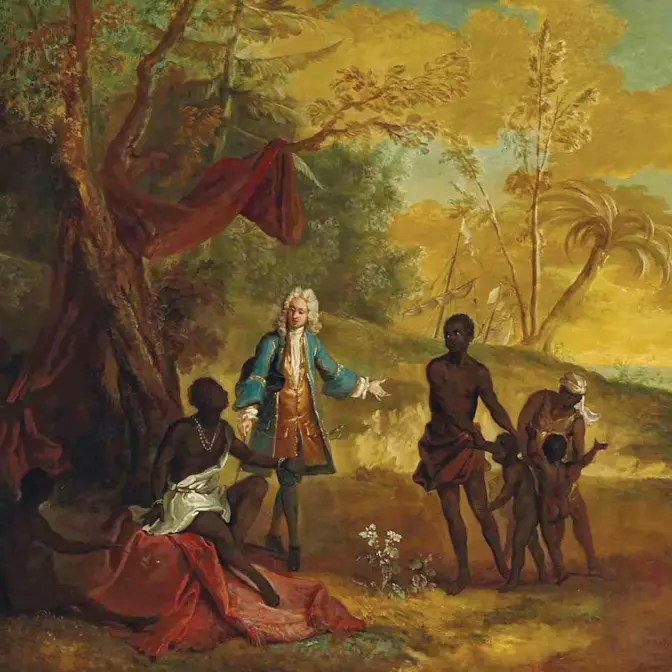
"The Norman Period in Ireland, spanning from the late 12th century to the late 13th century, marked a transformative era in Irish history. It began with the arrival of Norman knights led by Richard de Clare, famously known as Strongbow, in 1169. Dermot MacMurrough, an exiled Irish king, invited Strongbow and his forces to help him reclaim his throne in Leinster. This marked the beginning of significant Norman influence on Irish soil.
The Normans, renowned for their military prowess and administrative skills, quickly established dominance in Ireland. They built impressive stone castles and fortifications, many of which, such as Dublin Castle and Kilkenny Castle, remain iconic landmarks today. These structures not only served as military strongholds but also as centers of Norman administration and governance, symbolizing the imposition of feudalism on Irish society.
The introduction of feudalism by the Normans drastically altered land ownership and social structures in Ireland. Large swathes of land were divided into fiefs controlled by Norman lords, with the native Irish often becoming tenants or serfs on their ancestral lands. This new system of governance was characterized by a strict hierarchical order, with allegiance and military service owed to the Norman rulers.
In addition to their military and political impact, the Normans influenced the Irish Church, aligning it more closely with Roman practices. They initiated church reforms, built monastic institutions, and introduced Romanesque architectural styles, significantly impacting religious and cultural life in Ireland. Monasteries such as those at Jerpoint and Kells became centers of learning and spiritual life under Norman patronage.
Despite their initial successes, the Normans faced persistent resistance from native Irish lords. Gaelic chieftains continuously rebelled against Norman control, leading to a century-long struggle for dominance. This resistance, combined with the Normans' own internal conflicts and rivalries, eventually limited their complete control over Ireland. The period of Norman ascendancy gradually gave way to a more fragmented and contested political landscape.
The legacy of the Norman Period in Ireland is multifaceted. Architecturally, the impressive castles, churches, and towns established during this time continue to dot the Irish landscape. Legally and administratively, the Norman influence introduced systems of governance and law that would persist and evolve over the centuries. Socially and culturally, the intermingling of Norman and Gaelic traditions enriched Irish heritage, creating a complex tapestry of influences that shaped the island's identity.
In conclusion, the Norman Period in Ireland was a time of significant change and development. It brought new architectural styles, social structures, and administrative practices, while also laying the groundwork for ongoing conflicts and cultural exchanges. The era's impact is still evident in modern Ireland, reflecting the enduring legacy of Norman innovation and influence."