

HANDEL - Concerto Grosso Op. 6, nº 2 in F major HWV 320 -ASMIF-Marriner
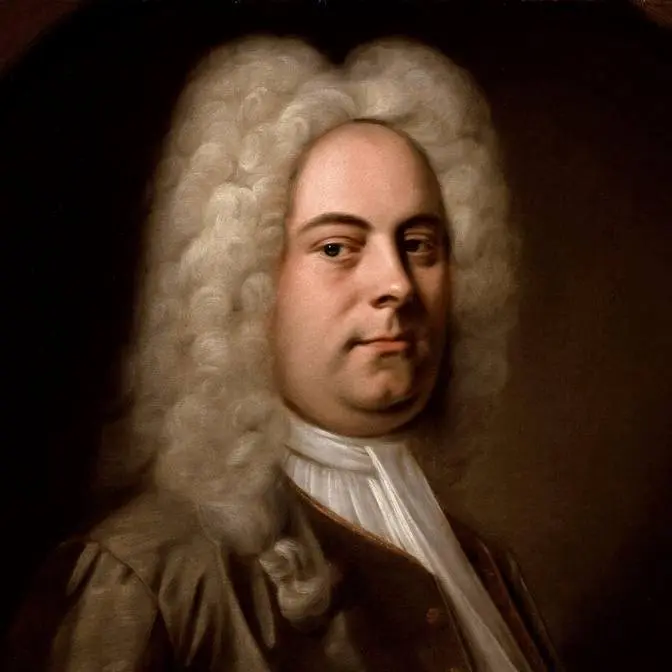
Georg Friedrich Händel - Concerto Grosso Op. 6, No. 2 in F major HWV 320 Academy of Saint Martin in the Fields Neville Marriner.
The Concerti Grossi, Op. 6, or Twelve Grand Concertos, HWV 319--330, are 12 concerti grossi by George Frideric Handel for a concertino trio of two violins and violoncello and a ripieno four-part string orchestra with harpsichord continuo. First published by subscription in London by John Walsh in 1739, in the second edition of 1741 they became Handel's Opus 6. Taking the older concerto da chiesa and concerto da camera of Arcangelo Corelli as models, rather than the later three-movement Venetian concerto of Antonio Vivaldi favoured by Johann Sebastian Bach, they were written to be played during performances of Handel's oratorios and odes. Despite the conventional model, Handel incorporated in the movements the full range of his compositional styles, including trio sonatas, operatic arias, French overtures, Italian sinfonias, airs, fugues, themes and variations and a variety of dances. The concertos were largely composed of new material: they are amongst the finest examples in the genre of baroque concerto grosso.
Concerto Grosso Op.6 No.2 HWV320
I. Andante larghetto
II. Allegro
III. Largo
IV. Allegro, ma non troppo
This four-movement concerto resembles a sonata da chiesa. From the original autograph, Handel initially intended the concerto to have two extra movements, a fugue in the minor key as second movement and a final gigue; these movements were later used elsewhere in the set.
The opening andante larghetto is noble, spacious and flowing, with rich harmonies. The responses from the concertino trio are derived from the opening ritornello. They alternate between a graceful legato and more decisive dotted rhythms.
The second movement is an allegro in D minor in a contrapuntal trio sonata style. The animated semiquaver figure of the opening bars is played in imitation or in parallel thirds as a kind of moto perpetuo.