
The Vocal Art of Henry Purcell
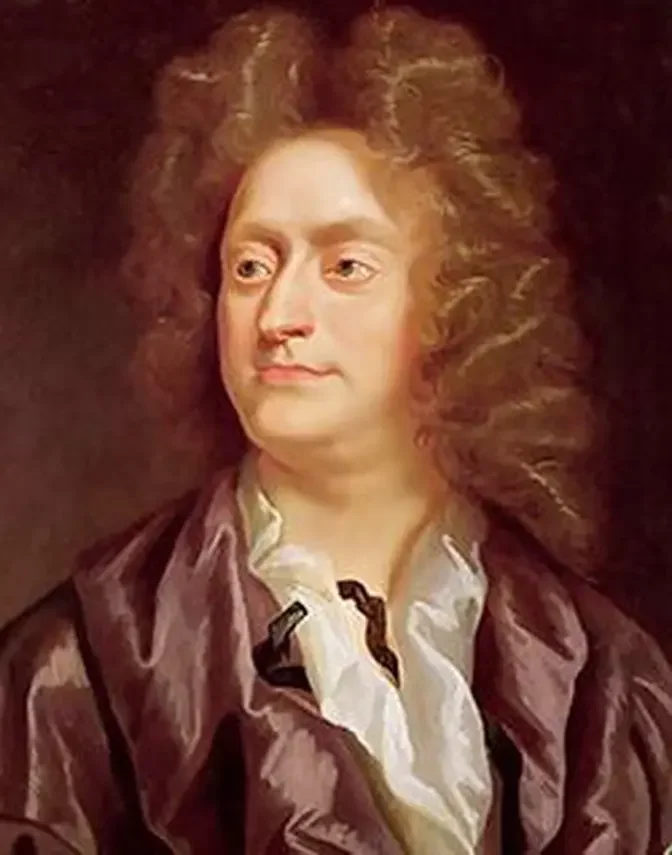
00:00 If Music Be The Food Of Love (1st version. 1692)
02:37 Sweeter Than Roses (from Pausanias, 1695)
06:10 I Love And I Must (from the Gresham Ms) *
09:07 O Lead Me To Some Peaceful Gloom (from Bonduca, 1695)
12:17 Epithalamium - ¨Thrice Happy Lovers¨ (from The Fairy Queen, 1692)
15:20 The Blessed Virgin's Expostulation - ¨Tell Me, Some Pitying Angel¨(1693) *
23:09 Fairest Isle (from King Arthur, 1691)
25:54 I Attempt From Love's Sickness To Fly (from The Indian Queen, 1695)
28:10 Let The Dreadful Engines (from Don Quixote, Part I, 1694) *
35:52 Not All My Torments (from the Gresham Ms)
38:13 Music For A While (from Oedipus, 1692)
42:17 From Rosy Bowers (from Don Quixote, Part III, 1695)
49:31 Upon A Quiet Conscience - ¨Close Thine Eyes¨(1688) *
Alfred Deller, countertenor / April Cantelo, soprano / Maurice Bevan, baritone
Walter Bergmann & George Malcolm (*), harpsichord
Henry Purcell (1659-1695) was the supreme song composer of his age, as Franz Schubert would be of the early 19th century. In both, an outpouring of inspired melody was strengthened by a mastery of musical declamation that gave the song form itself immense richness, emotional scope and free flexibility. Schubert’s songs stimulated the writing of lieder or art songs in the following generations. Purcell’s vocal art was lost in the turn following his death towards dazzling vocal technical display, so that it has remained for the 20th century to rediscover his historic achievement.
(From the notes to the recording)
Vanguard (SRV 280 SD / SRV-280 SD) 1968