


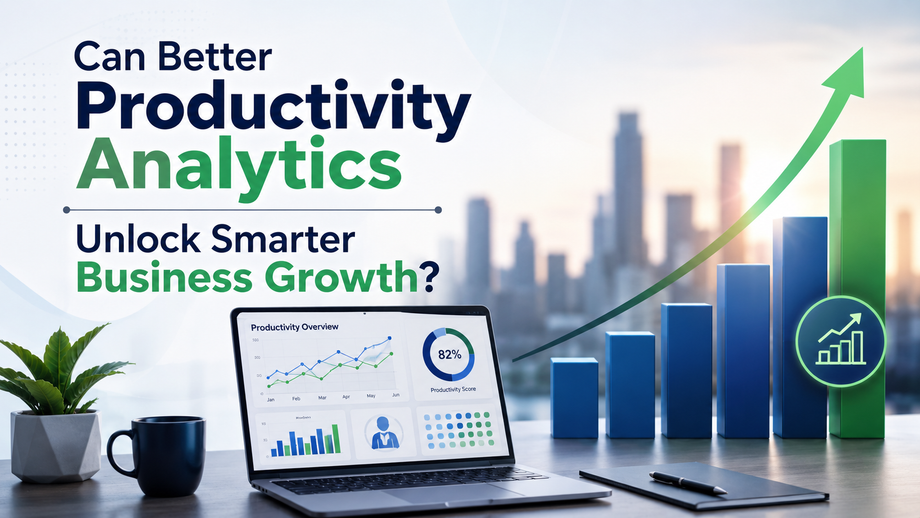
Every organization aims to improve efficiency, reduce wasted effort, and help employees perform at their best. However, achieving these goals requires more than assumptions or occasional performance reviews. Businesses need reliable insights that reveal how work flows across teams, where time is being invested, and which processes deserve improvement through Productivity Analytics.
Successful organizations focus on continuous improvement rather than quick fixes. Instead of reacting to problems after they become expensive, they rely on meaningful workplace information to guide better decisions. Understanding daily operations creates opportunities to streamline workflows, encourage collaboration, and support employees with the resources they truly need.
The greatest advantage comes from turning workplace information into practical action. Small operational improvements, repeated consistently, often produce greater long-term results than dramatic organizational changes. Companies that build a culture of observation, learning, and refinement position themselves for sustainable growth while maintaining employee satisfaction.
Understanding Workplace Performance Beyond Numbers
Many businesses mistakenly believe that measuring performance simply means counting completed tasks. While output remains important, it tells only part of the story.
A complete evaluation considers workflow efficiency, communication patterns, resource utilization, project timelines, and the obstacles employees encounter during their workday. When leaders understand these factors, they gain valuable context behind performance trends.
This broader perspective encourages thoughtful improvements rather than unrealistic expectations. Employees receive better support because managers understand why delays occur instead of assuming poor performance.
Why do Data-Driven Decisions Create Better Results?
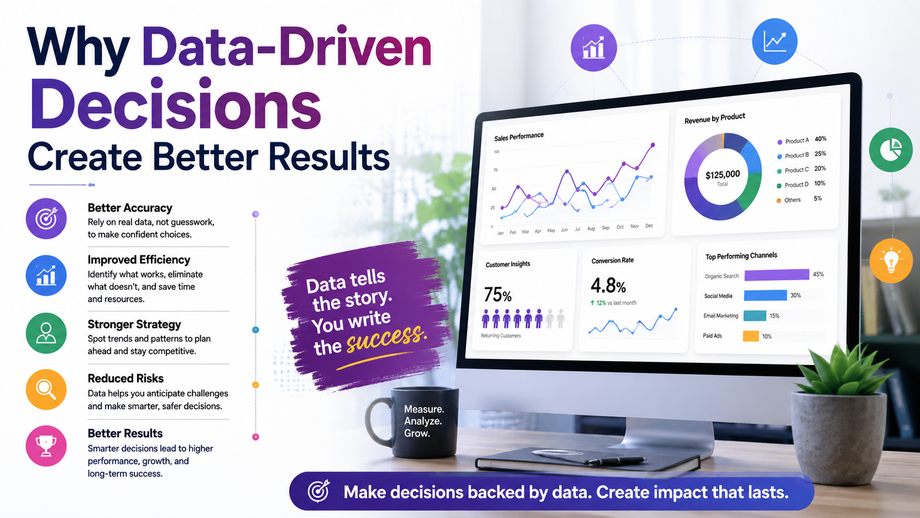
Business decisions become stronger when supported by reliable evidence instead of assumptions.
Managers frequently face questions such as:
Which projects consume the most time?
Where do repetitive tasks reduce efficiency?
Are workloads distributed fairly?
Which processes slow overall progress?
Objective workplace insights help answer these questions with confidence. Instead of implementing broad changes, leaders can focus on areas that generate measurable improvements while minimizing unnecessary disruption. When combined with an employer scheduling app, organizations can allocate resources more effectively, improve workforce coordination, and ensure employees are scheduled based on business priorities and availability.
This approach also reduces uncertainty during strategic planning, allowing organizations to allocate budgets, technology, and human resources more effectively.
Building Efficient Workflows
Every workplace contains small inefficiencies that gradually reduce productivity.
Examples include:
Repetitive administrative work
Unnecessary meetings
Delayed approvals
Poor communication between departments
Manual reporting processes
Identifying these bottlenecks allows organizations to redesign workflows that eliminate unnecessary steps. Even minor adjustments can significantly reduce wasted time while improving employee focus.
Efficient systems also create consistency across teams, making collaboration smoother and project management more predictable.
Supporting Employees Instead of Monitoring Them
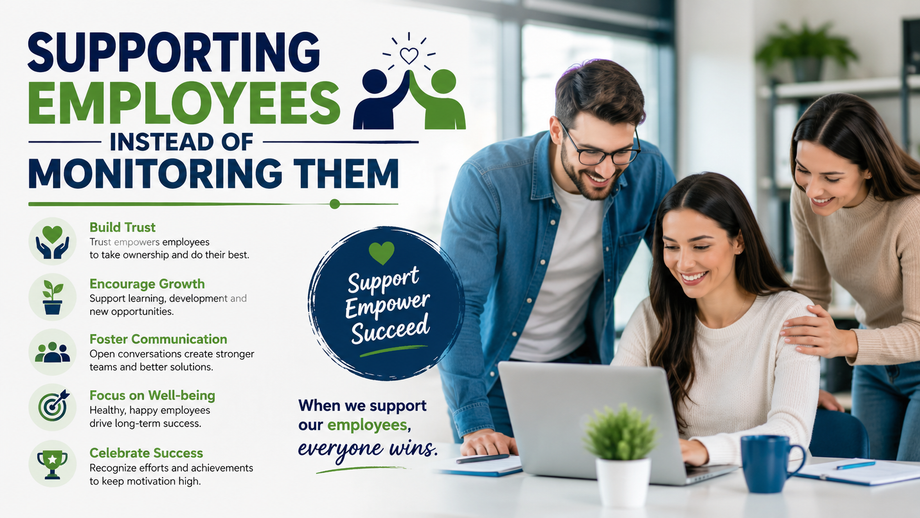
Modern workplace improvement should focus on helping employees succeed rather than creating unnecessary pressure.
When managers understand workload distribution and daily challenges, they can provide targeted support such as:
Better resource allocation
Additional training
Balanced project assignments
Improved scheduling
Realistic deadlines
Employees often become more engaged when they receive meaningful guidance instead of constant supervision. A supportive environment builds trust while encouraging accountability naturally. Integrating effective workforce planning helps organizations align employee skills with business priorities, ensuring balanced workloads and creating an environment where teams can perform confidently and collaboratively.
Encouraging Continuous Improvement
High-performing organizations rarely depend on one-time initiatives.
Instead, they establish a continuous cycle of:
Measuring current performance
Identifying improvement opportunities
Implementing practical changes
Reviewing outcomes
Refining future strategies
This ongoing process allows businesses to adapt quickly as priorities, technologies, and customer expectations evolve.
Continuous improvement also reduces resistance to change because employees become familiar with gradual optimization rather than disruptive organizational restructuring.
Improving Team Collaboration
Strong collaboration plays a significant role in organizational success.
Departments often operate independently, causing duplicated effort, communication gaps, and inconsistent priorities.
Better operational visibility helps managers recognize where collaboration can improve by encouraging:
Shared objectives
Clear responsibilities
Faster communication
Better project coordination
Balanced workloads
When teams work together efficiently, projects move faster while maintaining higher quality standards.
Reducing Workplace Burnout
Employee well-being directly influences long-term organizational performance.
Overloaded employees often experience declining motivation, increased errors, and higher turnover rates.
Recognizing workload imbalances early allows managers to:
Redistribute responsibilities
Adjust deadlines
Prioritize critical work
Prevent excessive overtime
Support healthier work habits
Healthy employees generally maintain stronger performance over longer periods, benefiting both individuals and organizations.
Preparing Businesses for Future Growth
Growing organizations require systems that scale effectively.
Without structured workplace visibility, expansion often introduces confusion, inconsistent processes, and reduced operational efficiency.
Businesses that regularly evaluate performance can:
Standardize workflows
Improve onboarding
Allocate resources wisely
Plan hiring strategically
Maintain service quality during growth
These practices create a stable foundation that supports sustainable expansion without sacrificing operational excellence.
Conclusion
Organizations that embrace productivity analytics gain a deeper understanding of how work actually happens, enabling smarter decisions, stronger collaboration, healthier workplaces, and long-term business success. Rather than focusing solely on measuring output, successful companies use meaningful insights to improve processes, support employees, and build adaptable systems that continue delivering value as the business evolves.
FAQs
1. Why should businesses measure workplace performance?
It helps identify inefficiencies, improve decision-making, and create more effective workflows.
2. How can organizations improve operational efficiency?
By evaluating workflows, removing repetitive tasks, improving communication, and regularly reviewing processes.
3. Does workplace performance analysis benefit employees?
Yes. It helps managers balance workloads, provide better support, and improve overall job satisfaction.
4. Why is continuous improvement important?
Regular evaluation allows businesses to adapt to changing priorities while maintaining long-term efficiency.
5. Can operational insights support business growth?
Yes. Better visibility enables smarter planning, resource allocation, and scalable organizational processes.