

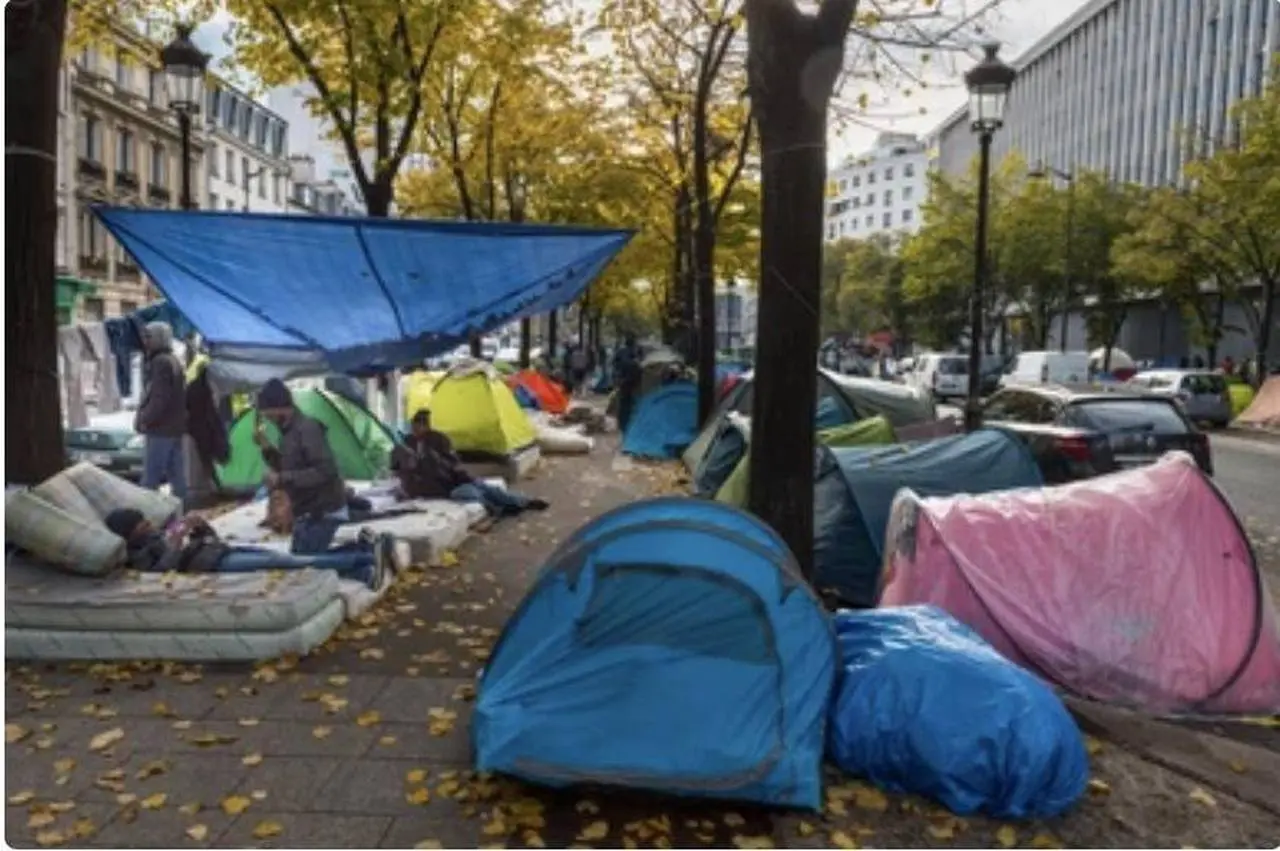
The United States sees a 12% increase in homelessness, reaching a record high of 653,000 people, influenced by rent inflation and the end of pandemic-era protections.
By yourNEWS Media Staff
The United States is experiencing a significant rise in homelessness, with a report from the Department of Housing and Urban Development (HUD) indicating an increase to around 653,000 people, marking the highest number on record. The HUD report, released on Dec. 15, identifies inflation and the cessation of pandemic-era eviction protections as primary factors contributing to this rise. Additionally, the housing supply crunch is noted as a major contributing factor.
The 2023 Point-in-Time Count by HUD, which assesses homelessness on a single night in January 2023, revealed a 12% increase (70,650 individuals) compared to the previous year, leading to a total of 653,104 homeless people. This figure is the highest since HUD began its point-in-time counts in 2007. Ann Olivia, CEO of the National Alliance to End Homelessness, commented on the crisis, citing the struggle of Americans to cope with soaring rents.
The most significant increase in homelessness was observed among families with children, rising by 15.5%, followed by a 15.3% increase among unaccompanied youths.
Kari Lake, a former Arizona gubernatorial candidate now running for the U.S. Senate, attributed the rise in homelessness to President Joe Biden’s policies, emphasizing the near impossibility of affording rent or a home in “Joe Biden’s America.” Lake, in her policy proposal, suggests measures like banning urban camping and providing federal lands and funding for controlled camping and shelter facilities.
The HUD report also highlighted the surge in first-time homelessness, up by 25% between fiscal years 2021 and 2022, likely due to rent increases and the winding down of pandemic-related eviction prevention programs.
This record-setting homelessness coincides with steep rent hikes and stagnant renter household incomes. The Center on Budget and Policy Priorities (CBPP) analysis of Census Bureau data shows a significant disparity between median rent and renter household income growth from 2001 to 2022. A report by Moody’s Analytics U.S. State of Rent Burden found most renters are now spending over a third of their monthly income on rent.
National leaders in homelessness and housing affordability, like Diane Yentel of the National Low Income Housing Coalition, call for more federal investment in affordable housing to mitigate the crisis.
The HUD report’s findings underscore the urgent need for increased investments in affordable housing and rental assistance, along with funding for housing support services to help the homeless find permanent housing quickly.