


Ireland, located on the westernmost edge of Europe and often referred to as the Emerald Isle, is a country steeped in history, folklore, and a rich tapestry of cultural traditions. The island nation, known for its stunning landscapes, warm-hearted people, and vibrant communities, has a heritage that spans millennia. In this article, we will explore the multifaceted aspects of Irish culture and traditions, understanding its unique customs, music, dance, and storytelling.
1. Historical Roots
Irish culture is deeply rooted in its history, and its story is one of resilience and perseverance. The island has seen waves of invaders, settlers, and migrations, each leaving an indelible mark on its culture. The earliest known inhabitants, dating back to prehistoric times, left behind magnificent megalithic structures like Newgrange, which are older than the Pyramids of Egypt.
The Celts, who arrived around 500 BC, brought their language and artistic traditions, laying the foundation for what we now recognize as Irish culture. Subsequent waves of Viking and Norman invasions added further layers of influence. The complex history of Ireland, marked by conflicts, such as the centuries-long struggle against British rule, has forged a unique sense of identity and cultural pride among the Irish people.

2. Language and Literary
The Irish language, known as Gaeilge or Irish Gaelic, has played a pivotal role in preserving the country's cultural heritage. While English is now the dominant language, Gaeilge remains an important part of Irish identity. In recent years, efforts to revive the language have led to its inclusion in education and government initiatives.
Ireland is renowned for its literary contributions, with iconic figures like James Joyce, W.B. Yeats, and Samuel Beckett. These literary giants have produced some of the world's most celebrated works of fiction, drama, and poetry. Irish literature often reflects the nation's turbulent history, struggles for independence, and deep connection to the land.
3. Folklore and Mythology
Ireland is a land steeped in myths and legends, deeply entrenched in a vibrant tradition of storytelling. These tales of ancient warriors, mythical creatures like leprechauns and banshees, and sweeping sagas such as the Ulster Cycle have been lovingly passed down through generations. The profound Irish reverence for storytelling is vividly reflected in the works of renowned authors like W.B. Yeats, Seamus Heaney, and James Joyce. These literary giants drew profound inspiration from these age-old myths, effortlessly weaving them into the fabric of their literature. The enduring sagas, folklore, and myths of the ancient Celts, including the captivating narratives of figures like Cú Chulainn and the Tuatha Dé Danann, continue to enthrall readers and provide boundless inspiration for contemporary writers.

4. Music: The Heartbeat of Ireland
Traditional Irish music, often described as soulful and evocative, is renowned for its emotive melodies and spirited rhythms. At its core, this musical tradition features a captivating ensemble of instruments that form the very essence of Irish music. These instruments include the fiddle, flute, tin whistle, bodhrán (a hand-held drum), and the enchanting uilleann pipes—a uniquely Irish creation. Together, they weave a mesmerizing tapestry of sound that speaks to the depths of the soul, conveying a wide range of emotions, from profound joy to poignant sorrow, all while maintaining a profound connection to the Irish landscape.

One of the most enchanting facets of Irish music is its diverse array of forms. "Sean nós," which translates to "old style," represents a form of unaccompanied vocal singing that places great emphasis on intricate ornamentation and the art of storytelling. It serves as a time capsule, carrying forward the stories and feelings of countless generations. On the other hand, Irish folk music is a lively celebration of the indomitable Irish spirit, often accompanied by exuberant jigs and reels that beckon energetic dancing.
5. Irish Dance: A Display of Precision and Passion
Dancer’s Costumes: Irish dancers typically wear traditional costumes that consist of vibrant dresses for females, often adorned with intricate Celtic designs, and kilts for males, typically made of tartan fabric. Both genders wear soft shoes called ghillies, designed for precision in footwork, and hard shoes with fiberglass tips and heels, which create distinctive tapping sounds during performances. Accessories like tiaras, headbands, brooches, and patterned socks may also be worn. Additionally, many female Irish dancers wear wigs, which are often curled and styled in a traditional manner as part of their costumes.
Ceili Dancing: Ceili dancing is a traditional group dance style that has been an integral part of Irish culture for centuries. These lively social dances are often performed at gatherings and events, fostering a sense of community and togetherness. Ceili dances vary in complexity, from simple circle dances to more intricate formations involving couples. Popular dances include the "Siege of Ennis" and the "Walls of Limerick." Ceili dancing is not just a performance; it's a joyful communal activity that celebrates the spirit of Irish hospitality and fellowship.
Step Dancing: Irish step dancing is perhaps one of the most iconic and internationally recognized forms of Irish dance. Characterized by intricate footwork and a rigid upper body, step dancing has its origins in the 18th century and gained worldwide prominence through various dance troupes and competitions. The most famous style is Irish solo step dancing, notably popularized by the Riverdance and Lord of the Dance productions. Dancers wear distinctive costumes, often featuring ghillie shoes and elaborate dresses, adding a visual element to the precision of their movements.

Sean-nós Dancing: Similar to Sean-nós singing, Sean-nós dancing is a traditional and highly improvisational dance style that is deeply connected to Irish folklore and heritage. Dancers perform close to the floor, using their feet to create intricate rhythms while often allowing their upper bodies to move freely. Sean-nós dancing showcases a sense of individuality and storytelling, with each dancer adding their unique flair to the steps. It is a captivating and intimate style of Irish dance that has experienced a resurgence in recent years.
Competitions and Festivals: Irish dance competitions, or feiseanna, are a thriving aspect of Irish culture. These events draw dancers of all ages and skill levels from around the world to showcase their talents and dedication. The most prestigious competitions include the World Irish Dancing Championships, where dancers compete for top honors. Additionally, Irish dance festivals, such as the ‘Willie Clancy Summer School,’ offer workshops and performances, preserving and promoting the art of Irish dance.

6. Art
Art has long been a fundamental and cherished feature of Irish culture and traditions. From ancient Celtic artistry to contemporary expressions, Ireland has a rich artistic heritage that reflects its history, identity, and the unique spirit of its people.
Celtic Art: The roots of Irish art can be traced back to the Celts, who inhabited the island over 2,000 years ago. Their intricate designs, characterized by interwoven patterns, spirals, and symbolism, are prominent in artifacts like the Book of Kells and the Ardagh Chalice. Celtic art often revolved around themes of nature, spirituality, and mysticism, which continue to influence Irish art to this day.
Visual Arts: Ireland has produced numerous talented visual artists who have left an indelible mark on the art world. Jack B. Yeats, brother of W.B. Yeats, is renowned for his evocative paintings capturing the Irish landscape and spirit. Contemporary Irish artists like Sean Scully and Dorothy Cross continue to make significant contributions to the art scene.

Craftsmanship: Irish craftsmanship is exemplified in traditional skills like pottery, weaving, and lace-making. The intricate designs found in Aran sweaters and Waterford Crystal are prized exports, showcasing the craftsmanship that is deeply rooted in Irish culture.

7. Architecture
Ancient and Medieval Structures: Ireland boasts an array of ancient and medieval architectural marvels. One of the most iconic is Newgrange, a prehistoric tomb built around 3200 BCE. It demonstrates the advanced knowledge of astronomy and engineering possessed by Ireland's early inhabitants. Likewise, monastic sites such as Clonmacnoise and Glendalough are characterized by stunning round towers and intricate high crosses, showcasing the unique fusion of Celtic and Christian artistic influences.

Norman and Gothic Architecture: The Norman invasion of Ireland in the 12th century left a lasting architectural legacy, with the construction of castles and fortifications like Trim Castle and Dublin Castle. Gothic cathedrals like St. Patrick's Cathedral in Dublin and St. Canice's Cathedral in Kilkenny also stand as striking examples of medieval Irish architecture, displaying intricate stonework and soaring spires.

Georgian Architecture: The 18th century marked a period of prosperity in Ireland, and Georgian architecture flourished. Elegant townhouses with distinctive red-brick facades became common in Dublin, and grand squares like Merrion Square and Fitzwilliam Square still showcase the architectural opulence of the era. The architecture of this period also influenced urban planning, with many of Dublin's renowned Georgian streetscapes remaining intact.

Irish Vernacular Architecture: Traditional Irish cottages, with their thatched roofs and whitewashed walls, are emblematic of rural Ireland's architectural heritage. These structures are not only aesthetically pleasing but also demonstrate a deep connection to the land and a sustainable approach to building.

Victorian and Edwardian Architecture: The Victorian and Edwardian periods saw the construction of impressive public buildings, including universities, libraries, and railway stations. Belfast City Hall, with its Baroque Revival style, is a prime example of this era's architectural grandeur.

Modern and Contemporary Architecture: Ireland has embraced modern architectural trends while also preserving its historic sites. Dublin, in particular, has seen a transformation with the development of modern skyscrapers like the Spire of Dublin and the Bord Gáis Energy Theatre. The city's Docklands area showcases innovative architecture and urban renewal projects, symbolizing Ireland's commitment to progress and innovation.

8. Cuisine
Irish cuisine may not have the same global fame as Italian or French food, but it has its unique appeal. It plays a significant role in Irish culture and traditions, reflecting the country's history and natural resources. Irish cuisine is known for its hearty and comforting dishes, often made with locally sourced ingredients.
Potatoes: Potatoes, a longstanding staple of the Irish diet, have been cherished for centuries. Dishes like colcannon (mashed potatoes with cabbage or kale) and champ (mashed potatoes with scallions) are popular favorites. Another beloved traditional Irish dish is boxty, often called potato pancakes. Boxty, made from grated or mashed potatoes, is a versatile and cherished part of Irish culinary heritage. These pancakes come in various preparations, but they all share a delicious potato-centric core. Typically, a mix of raw and cooked potatoes, along with flour, baking powder, salt, and sometimes buttermilk, is fried until golden brown, resulting in crispy edges and a soft, potato-filled center.


Stews: Irish stews, such as Irish lamb stew, are renowned for their simplicity and flavor. They typically include meat (usually lamb or beef), root vegetables, and herbs, slow-cooked to perfection.
Seafood: Ireland's extensive coastline provides an abundance of seafood, with dishes like Dublin Bay prawns and smoked salmon being popular delicacies. Fish and chips is also a favorite among locals and visitors alike.
Soda Bread: Traditional Irish soda bread is a simple and rustic bread made with just four ingredients: flour, baking soda, salt, and buttermilk. It's a common accompaniment to many Irish meals.
Black Pudding and White Pudding: These are traditional Irish sausages made with a mixture of meats and grains. Black pudding includes pig's blood, giving it a distinctive dark color and flavor.

Dairy Products: Ireland is known for its high-quality dairy products, including butter and cheese. Irish butter, in particular, is prized for its rich, creamy taste.
Whiskey: Irish whiskey has a long history and is known for its smooth and mellow flavor. Distilleries across the country produce a wide range of whiskey varieties.
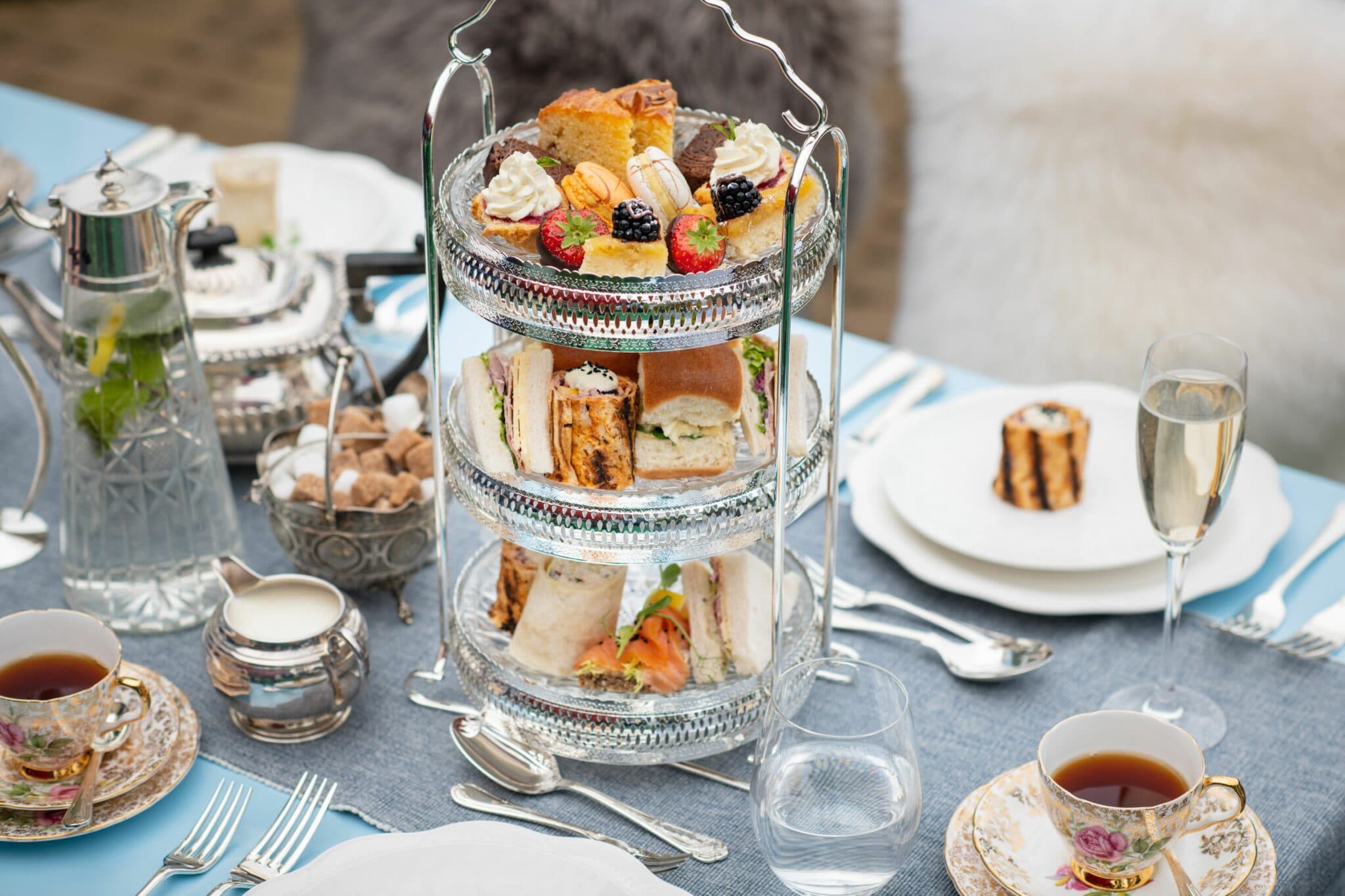
Tea Culture: Tea culture in Ireland is deeply ingrained in the country's social fabric. Known for its strong and hearty brew, Irish tea is typically served with milk and often accompanied by biscuits or scones. Tea is a cornerstone of hospitality in Ireland, and offering a cup of tea to guests is a common gesture of welcome.
Tea breaks, known as "cuppa time," are an integral part of Irish daily life. It's not unusual for people to gather for a chat over a cup of tea, whether at home, in the workplace, or in local cafes and tearooms. Many homes in Ireland have a dedicated teapot, and brewing the perfect pot of tea is a skill passed down through generations.
In Ireland, tea is more than just a beverage; it's a symbol of comfort, warmth, and social connection. Whether enjoyed in the morning to kickstart the day or as a soothing evening ritual, tea plays a central role in fostering fellowship and hospitality throughout the country.
 Irish Tea Traditions
9. Pub Culture
The Irish pub, often referred to as the "heart of the community," holds a special place in Irish culture. These establishments transcend their role as mere drinking establishments, serving as vibrant social centers that nurture connections through storytelling and live music. Adorned with classic décor, featuring dark wood and inviting fireplaces, traditional Irish pubs create a warm and inviting atmosphere where strangers easily forge new friendships.
Pubs play a unique and integral role in Irish social life, offering more than just beverages; they provide a spirited ambiance complete with live music and traditional Irish cuisine. Some pubs boast rich histories and host a variety of events, adding to their charm. With their friendly and welcoming vibe, they remain an essential part of Irish culture, providing an ideal setting for meeting new people and enjoying good company.

10. Celebrations and Festivals
Ireland is renowned for its lively festivals and gatherings that foster a sense of unity within communities. It is a country where tradition and modernity harmoniously coexist, creating a diverse array of cultural celebrations.
St. Patrick's Day: One of the most well-known Irish celebrations worldwide, St. Patrick's Day on March 17th honors Ireland's patron saint. It's marked by parades, green-themed festivities, traditional music, and a sense of Irish pride.
Easter Rising Commemoration: April 24th is dedicated to remembering the 1916 Easter Rising, a pivotal moment in Irish history. Ceremonies and events pay tribute to the leaders who fought for Irish independence.
Bloomsday: Celebrated on June 16th, Bloomsday honors James Joyce's famous novel "Ulysses." Dublin comes alive with literary events, readings, and reenactments of scenes from the book.
Fleadh Cheoil: This traditional Irish music festival is a showcase of Irish culture, featuring lively performances of Irish music, dance, and song. It's a vibrant celebration of heritage and talent.

Halloween: While Halloween is celebrated worldwide, it has deep roots in Irish folklore. In Ireland, it's a time for bonfires, costume parties, and storytelling about supernatural beings like banshees and fairies.
Christmas: Christmas in Ireland revolves around family gatherings and festive meals. Traditionally, candles were lit in windows to welcome travelers, and holiday traditions include attending midnight Mass and celebrating with music and dance. The day after Christmas is known as Wren Day, celebrated on December 26th. Groups of boys and men, called the wren boys, dress up, sing, and play music while going door-to-door to collect money for a symbolic 'wren burial.' While Wren Day has waned in some areas, it is still practiced in parts of the country and no actual wrens are harmed during the festivities.

Puck Fair: Held in Killorglin, County Kerry, Puck Fair is one of Ireland's oldest festivals, dating back over 400 years. It features a crowned wild goat as a king, parades, music, and a lively atmosphere.
11. Religion and Spirituality
Ireland has a deep religious history, with the majority of its population traditionally being Roman Catholic. Religious practices, customs, and festivals play a significant role in Irish life. The country's spiritual connection to its land and natural surroundings is evident in the many sacred sites and holy wells that dot the landscape.
12. Hospitality and Community
Irish hospitality is renowned globally. The concept of a "Céad Míle Fáilte" (a hundred thousand welcomes) is ingrained in Irish culture. Visitors are greeted with warmth and are often invited to share stories, music, and a pint of Guinness in the local pub. Community is central to Irish life, and the pub serves as a hub for social interaction, music, and storytelling.
Conclusion
Irish culture and traditions are a testament to the resilience and enduring spirit of the Irish people. With a rich history deeply rooted in Celtic heritage, Ireland has fostered a culture that embraces music, dance, literature, and community. Whether you're sipping a pint of Guinness in a cozy pub, listening to the lilting melodies of traditional music, or exploring the mystical landscapes that inspired countless legends, there's no denying that Irish culture is a treasure worth cherishing. Sláinte!
Please watch the video below to learn more about The History of Ireland and Facts That Everyone Should Know.