


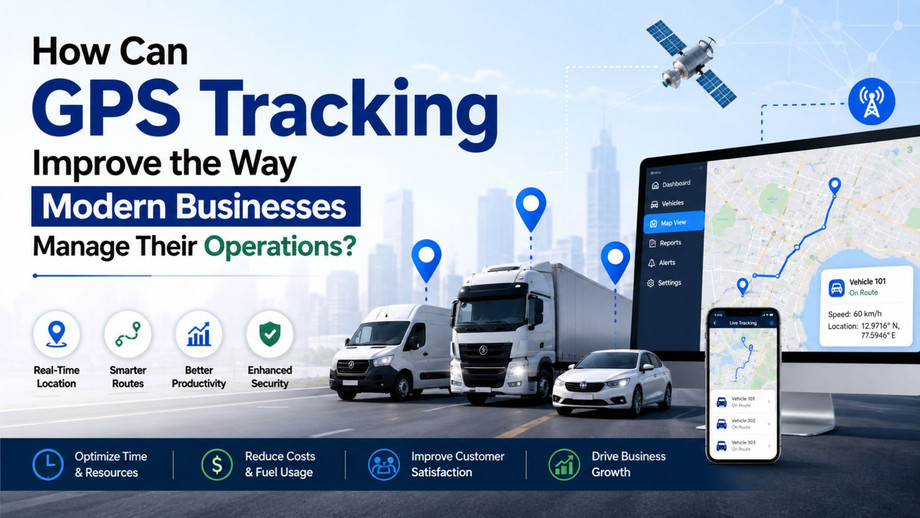
Modern businesses often manage employees, vehicles, deliveries, and field operations across multiple locations. Without clear visibility, it can become difficult to understand where resources are, how efficiently they are being used, and whether daily activities are progressing as expected. GPS tracking provides a practical way to create better visibility while supporting smarter operational decisions.
As organizations become more mobile and distributed, having access to location-based information can help managers respond to changing situations faster. Instead of depending entirely on phone calls, manual updates, or scattered records, businesses can use digital information to gain a clearer understanding of field activities.
Improving Visibility Across Daily Operations
One of the biggest advantages of location-based monitoring is improved operational visibility. Managers can understand where company vehicles or field teams are working without constantly requesting updates.
This visibility can be particularly useful for businesses involved in logistics, transportation, delivery services, field sales, maintenance, and customer support. When managers have access to relevant location information, they can coordinate activities more efficiently and identify potential delays before they become larger problems.
Better visibility also supports accountability. Employees and supervisors can work with clearer expectations because operational activities can be reviewed using reliable information rather than assumptions.
Supporting Faster Business Decisions
Timely information can make a significant difference in fast-moving workplaces. When field operations change unexpectedly, managers may need to adjust schedules, assign resources, or communicate new instructions.
Location information can support these decisions by showing the current status of mobile operations. For example, a manager may identify which team is closest to a customer location and coordinate the next assignment accordingly.
This approach can reduce unnecessary communication and help organizations respond more effectively to changing circumstances. By using work tracking software, businesses can gain clearer visibility into daily activities, team progress, and operational performance. Over time, they can also examine historical information to understand recurring patterns and improve future planning.
Making Field Teams More Efficient
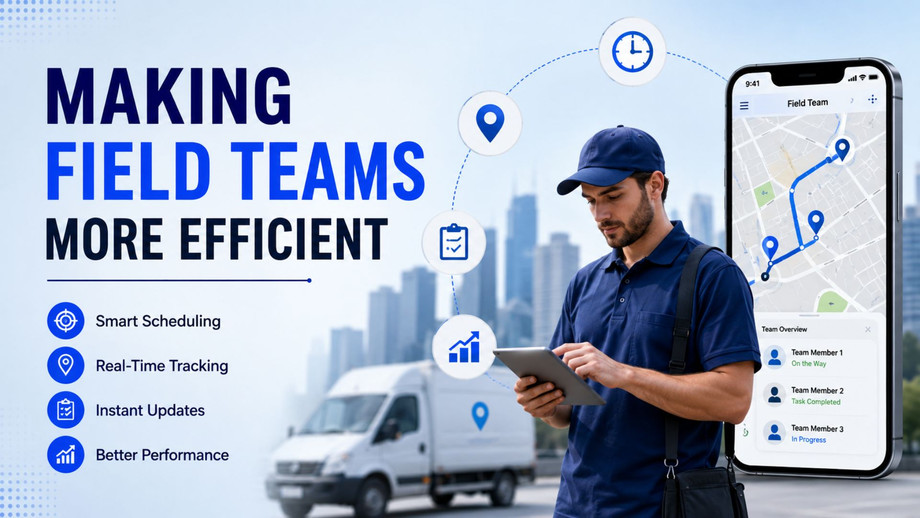
Field employees often deal with changing schedules, multiple destinations, and unpredictable working conditions. Better coordination can help them spend less time dealing with avoidable delays and more time completing meaningful tasks.
Location-based systems can provide useful information about travel patterns, routes, stops, and movement. Managers can use these insights to identify inefficient processes and explore opportunities for improvement.
The goal should not simply be to watch employees. Instead, organizations should focus on understanding operational challenges and creating systems that make work easier. Clear policies and transparent communication are important when introducing monitoring technologies into the workplace.
Strengthening Vehicle and Asset Management
Businesses that operate multiple vehicles can benefit significantly from centralized location information. Managers can gain a better understanding of vehicle movement, usage patterns, and operational schedules.
This can help organizations coordinate transportation more effectively and reduce unnecessary trips. Historical information may also reveal patterns such as repeated route delays, inefficient scheduling, or excessive travel between locations.
For companies managing valuable mobile assets, better visibility can also support stronger security practices. Organizations can establish appropriate alerts and procedures for unusual movement while ensuring that employees understand how and why these systems are being used.
Enhancing Workplace Safety
Safety is another important consideration for mobile teams. Employees working on roads, construction sites, customer locations, or remote areas may face different risks throughout the day.
Location-based technology can help organizations respond more quickly when unexpected situations occur. Managers may be able to identify the last known location of a worker or vehicle, coordinate assistance, and organize related task management activities when necessary.
Businesses should combine technology with clear safety policies, employee training, emergency procedures, and responsible data handling. Technology works best when it supports a broader culture of workplace safety rather than acting as a replacement for human judgment.
Creating Better Workforce Insights
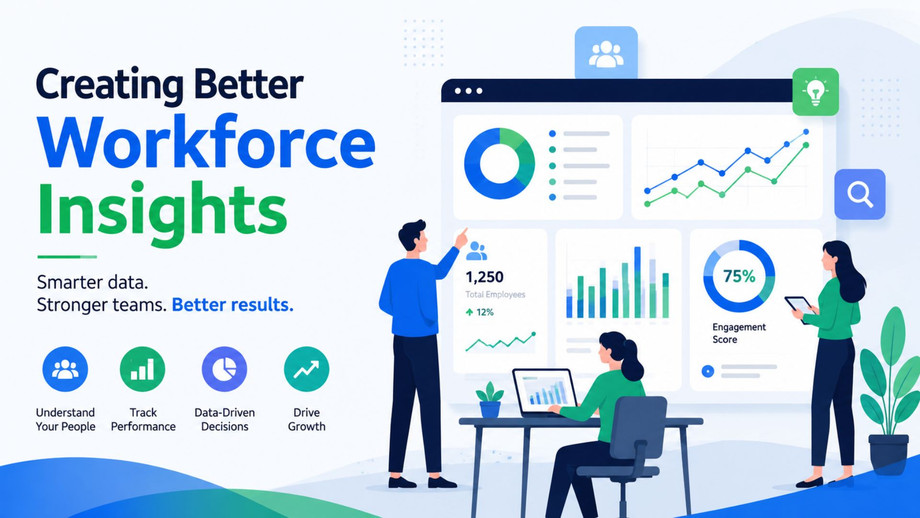
Operational information becomes even more valuable when it can be analyzed over time. Businesses can examine patterns in travel, scheduling, field activity, and resource utilization to identify areas that need attention.
These insights can support workforce planning, performance discussions, scheduling improvements, and resource allocation. Instead of relying only on isolated observations, managers can consider broader patterns before making operational changes.
However, organizations should avoid treating location data as the sole measure of employee performance. Different roles have different responsibilities, and productivity cannot always be determined by movement or location alone.
Building Trust Through Responsible Use
Technology adoption becomes more successful when employees understand its purpose. Businesses should communicate what information is collected, why it is needed, who can access it, and how long it may be retained.
Clear policies can reduce confusion and create a more transparent workplace environment. Employees are more likely to accept monitoring systems when they understand that the primary objective is improving safety, coordination, service quality, and operational efficiency.
Responsible implementation also means collecting only relevant information and protecting it through appropriate security practices.
Preparing Operations for Future Growth
As businesses expand, managing mobile resources manually can become increasingly difficult. Digital location solutions can provide a scalable foundation for coordinating teams, vehicles, and field activities across larger operational areas.
Combined with workforce analytics, scheduling systems, communication platforms, and other business technologies, location data can contribute to a more connected operating environment.
The real value comes from using information thoughtfully. Businesses that combine accurate data with good management practices can create smoother workflows, improve resource utilization, and respond more confidently to operational challenges.
You can also watch:- Stop Chasing Clout: Building a Real HR Brand with Abhilash M S | EMPCloud Podcast
Conclusion
Modern organizations need visibility, flexibility, and timely information to manage increasingly dynamic workplaces. GPS tracking can support these goals by helping businesses coordinate mobile operations, improve safety, understand resource usage, and make more informed decisions.
When implemented transparently and responsibly, location technology can become more than a monitoring solution. It can serve as an operational resource that helps teams work more efficiently while giving managers a clearer view of everyday business activities.
FAQs
1. What is GPS tracking used for in business?
It can help businesses monitor vehicles and field operations, coordinate teams, improve route planning, support safety, and understand operational patterns.
2. Can location technology improve employee productivity?
It can provide operational insights, but productivity should be evaluated using multiple factors rather than location information alone.
3. Is GPS tracking useful for fleet management?
Yes. It can help businesses understand vehicle movement, improve scheduling, identify inefficient routes, and coordinate fleet operations.
4. How can businesses use location data responsibly?
Organizations should establish transparent policies, explain the purpose of data collection, restrict access appropriately, and protect employee information.
5. Can small businesses benefit from GPS-based systems?
Yes. Small businesses with field employees, delivery teams, service professionals, or company vehicles may use location information to improve coordination and operational visibility.