


New Jersey is home to one of the most diverse culinary landscapes in the United States. From bustling suburban food corridors to urban dining districts, the state offers an impressive range of international cuisines. When exploring Asian food NJ, two vibrant and influential categories stand out: East Asian and South Asian cuisine. While both fall under the broader Asian culinary umbrella, they differ significantly in ingredients, cooking techniques, flavor profiles, and dining traditions. Understanding these distinctions helps diners better appreciate the richness each region contributes to New Jersey’s food scene.
Cultural Foundations and Regional Influences
East Asian cuisine typically refers to culinary traditions from countries such as China, Japan, and South Korea. These cuisines emphasize balance, umami, and refined techniques. Rice, noodles, seafood, soy-based sauces, and fermented ingredients form the backbone of many dishes.
In contrast, South Asian cuisine represents countries such as India, Pakistan, and Bangladesh. Here, bold spices, layered curries, and aromatic herbs define the culinary identity. Wheat-based breads like naan and roti often accompany richly spiced gravies and lentil dishes.
Both regions bring centuries of tradition to the table, but their flavor philosophies differ markedly.
Flavor Profiles and Ingredients
One of the most noticeable contrasts lies in seasoning and spice usage. East Asian dishes often highlight natural flavors with controlled seasoning. Soy sauce, sesame oil, rice vinegar, and miso provide depth without overwhelming heat. Cooking techniques such as stir-frying, steaming, and grilling preserve ingredient integrity.
South Asian cuisine, by comparison, embraces complex spice blends. Turmeric, cumin, coriander, garam masala, and chili powders create layered flavors that build gradually on the palate. Slow simmering and tandoor roasting are common methods, producing rich textures and smoky undertones.
When diners search for Asian food NJ, they often choose based on these flavor expectations - whether they prefer subtle umami balance or robust spice intensity.
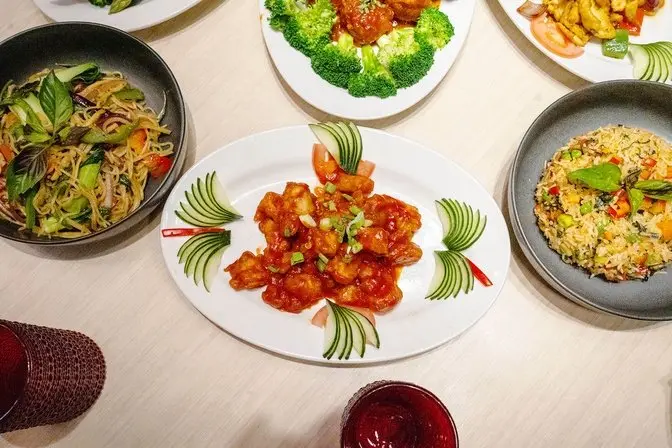
Dining Formats and Service Styles
East Asian dining in New Jersey frequently includes sushi bars, ramen shops, hot pot restaurants, and Korean barbecue establishments. Many focus on minimalistic presentation and communal dining elements. Sushi and sashimi emphasize freshness and knife precision, while Korean barbecue centers on interactive tabletop grilling.
South Asian restaurants often highlight buffet spreads, thali platters, and family-style service. Shared dishes encourage communal eating, with bread and rice serving as essential accompaniments to curries and grilled meats. Catering also plays a significant role in South Asian culinary culture, especially for weddings and large celebrations.
These differing service models shape the dining experience, influencing everything from table setup to pacing of courses.
Popular Dishes Across Both Regions
To further illustrate the contrast, consider a few iconic dishes:
East Asian Favorites:
- Sushi rolls and sashimi
- Ramen with slow-simmered broth
- Dim sum and dumplings
- Bibimbap and bulgogi
South Asian Favorites:
- Butter chicken and paneer tikka
- Biryani with fragrant basmati rice
- Samosas and chaat
- Tandoori grilled specialties
Each dish reflects regional techniques and ingredient traditions. While both cuisines may incorporate rice and vegetables, preparation methods and seasoning profiles set them apart.
Community Hubs and Culinary Growth
New Jersey’s diverse population has fostered thriving culinary hubs for both East and South Asian communities. Areas with concentrated immigrant populations often become epicenters of authentic dining, specialty grocery stores, and cultural festivals.
This community-driven growth has elevated the visibility of Asian cuisine as a whole. Food festivals, restaurant weeks, and cultural events introduce broader audiences to regional specialties, encouraging cross-cultural exploration.
Additionally, fusion cuisine has begun bridging East and South Asian elements, blending flavors in creative ways that appeal to adventurous diners.
Health Perceptions and Dietary Appeal
East Asian cuisine is often perceived as lighter, emphasizing vegetables, seafood, and steamed preparations. South Asian cuisine, while rich and hearty, also includes numerous vegetarian and plant-based dishes rooted in tradition. Lentils, chickpeas, and vegetables form the foundation of many meals, offering balanced nutrition.
Both regions cater well to vegetarian, vegan, and gluten-sensitive diners, though menu interpretation varies by establishment. Understanding these nuances helps diners make informed choices aligned with dietary preferences.
Discover the Diversity of Asian Cuisine in NJ!
Comparing East and South Asian food scenes highlights the extraordinary diversity within one culinary category. From refined sushi craftsmanship to aromatic curry traditions, each region offers distinct yet equally compelling dining experiences. As you explore Asian food NJ, consider stepping beyond familiar favorites to discover new flavors and techniques. Whether you prefer delicate umami notes or bold spice blends, New Jersey’s dynamic restaurant landscape invites you to savor the richness of both East and South Asian cuisine.