


The conversation usually starts in a whisper. Someone recalls a stressful testing moment, the clock ticking louder than expected. Urine testing has become a defining feature of modern compliance culture. This article explores how synthetic alternatives entered public awareness, why specific kits attract attention, and how branding and presentation shape perception. The focus stays descriptive. Informative, not instructional. Important distinction.
Rising Awareness Around Testing
Drug testing expanded rapidly across workplaces, institutions, and private sectors, changing how people perceive personal screening. With increased frequency came increased curiosity about alternatives. Discussions around fake pee for drug test appear frequently in online forums and casual conversations. The phrase itself signals anxiety and interest. It reflects social pressure more than rebellion. Testing feels official. The response feels human. That contrast fuels attention.
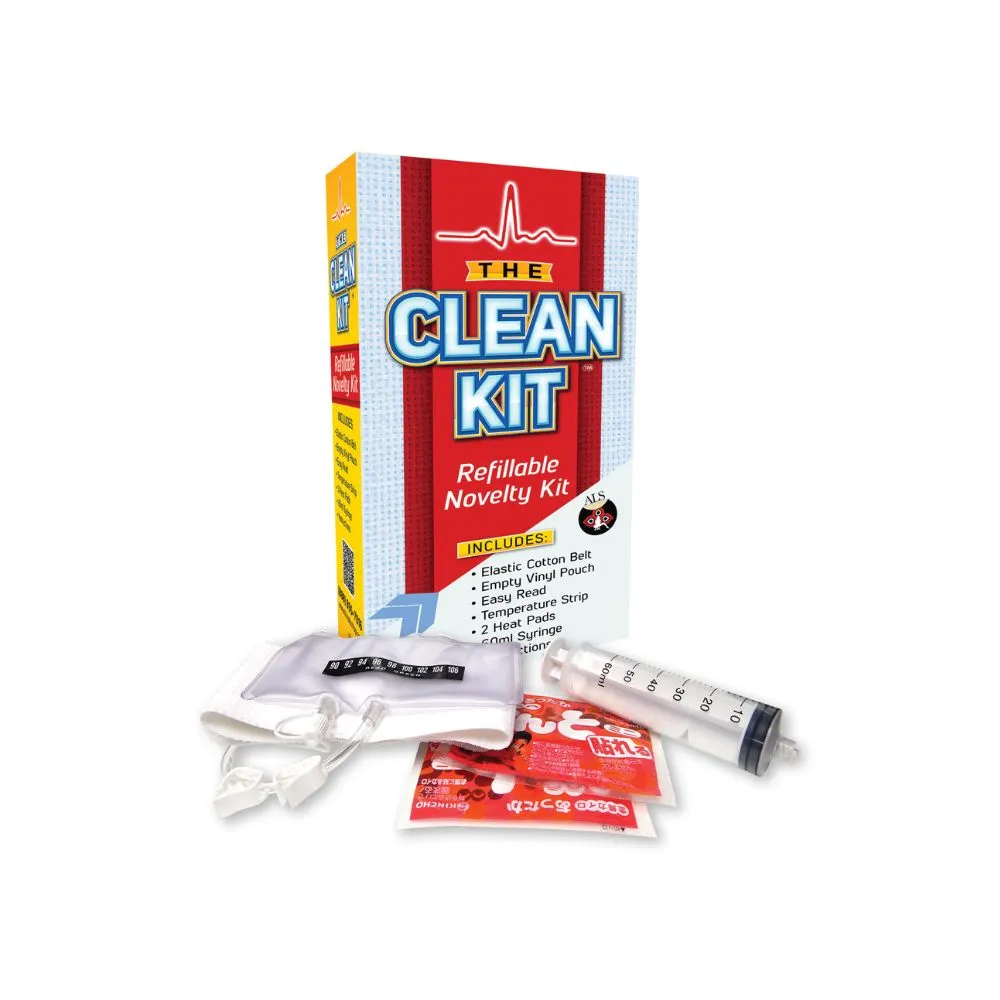
Synthetic Products Market Positioning
Synthetic urine products are presented carefully within retail spaces. Marketing language often emphasizes realism, design, and formulation quality rather than outcomes. This approach reduces controversy while appealing to informed consumers. The tone remains measured. Slightly clinical. Slightly casual. No guarantees are shouted. That restraint matters. It positions the product as an object, not a promise. Branding does most of the talking.
Design Focus In Premium Kits
Premium kits often stand out due to construction and presentation. The whizzinator touch kit is frequently referenced when discussing advanced design and realism in synthetic urine products. Attention is placed on form, materials, and discreet handling. Packaging looks intentional. Nothing feels accidental. That design-forward approach separates high-end products from basic alternatives. Details matter here. Perception follows design.
Consumer Psychology And Curiosity
People researching synthetic urine are rarely impulsive buyers. Curiosity mixes with caution. Reviews are read closely. Product descriptions get scanned twice. The term fake pee for drug test surfaces again during comparison stages, showing how language guides search behavior. It is less about action, more about understanding. Research becomes reassurance. Knowledge reduces stress. That pattern appears consistently across buyer behavior studies.
Brand Identity And Product Trust
Trust is built through consistency and longevity. Brands that remain visible over time gain authority simply by staying present. The whizzinator touch kit benefits from association with an established name and recognizable aesthetic. Familiarity breeds confidence, even without bold claims. This is subtle marketing. Quiet confidence works. Consumers often equate stability with reliability. Sometimes correctly. Sometimes not. Still effective.
Language Choices And Public Perception
How products are described influences public reaction. Neutral phrasing softens sensitive topics. Short sentences help. A calm tone reassures. The market avoids explicit narratives, choosing technical descriptions instead. This shapes how readers interpret intent. It feels professional. Slightly distant. That distance is intentional. It allows discussion without endorsement. A careful balance. One misstep changes everything.
Conclusion
Synthetic urine products exist within a carefully framed commercial space shaped by testing culture, consumer curiosity, and strategic language. Awareness continues to grow quietly. More brand-specific context and product presentation details can be found at whizzinator.com Understanding how these products are discussed helps separate assumptions from marketing reality. Precision matters here. Tone matters too. Information, not instruction, drives a clearer perspective for readers navigating this topic.