


Before machines run, before utilities are commissioned, before production begins — there is land. And how that land is evaluated, engineered, and prepared determines the long-term success of the entire industrial plant.
This is where Site Development Consultants for Industrial Plants play a transformative role.
Industrial site development is not just leveling soil and laying roads. It’s a strategic process that integrates geotechnical engineering, regulatory approvals, drainage planning, environmental compliance, infrastructure design, and future expansion strategy.
If you are planning a pharmaceutical plant, manufacturing unit, warehouse complex, chemical facility, or engineering plant — this guide explains why professional site development consultancy is the foundation of operational success.
- Why Industrial Site Development Is a High-Impact Decision
A poorly planned industrial site leads to:
- Waterlogging and drainage failures
- Soil settlement and structural cracks
- Utility misalignment
- Expansion limitations
- Environmental non-compliance
- Escalating civil costs
A professionally developed site ensures:
Stable foundations
Optimized land utilization
Regulatory compliance
Efficient logistics flow
Future-ready scalability
- What Site Development Consultants for Industrial Plants Actually Do
- Land Feasibility & Due Diligence
- Topographical surveys
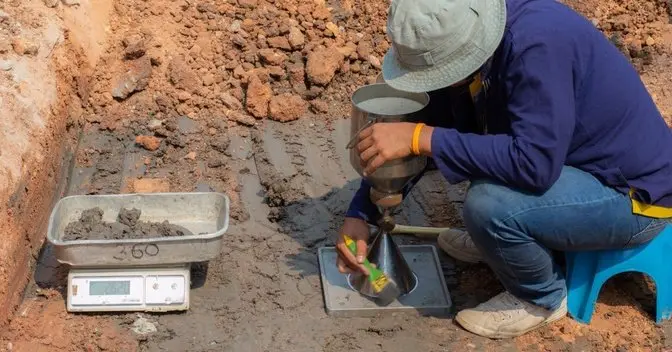
- Geotechnical soil investigation
- Flood risk analysis
- Soil bearing capacity testing
- Environmental impact assessment (EIA)
- Zoning and land-use compliance verification
- Master Planning & Land Optimization
4 Before project approval, consultants conduct:
This phase protects investors from hidden land risks.
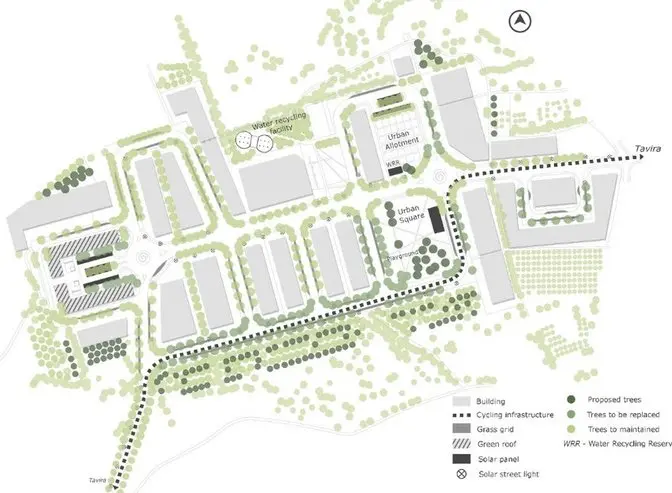
A strategic site master plan includes:
- Building positioning
- Internal road network
- Heavy vehicle movement planning
- Raw material & finished goods flow
- Utility corridors
- Fire tender access routes
- Green belt planning
Efficient site layout reduces logistics cost and improves operational workflow.
- Grading, Drainage & Stormwater Management
Industrial plants generate significant runoff and process discharge.
Consultants design:
- Site grading & slope optimization
- Stormwater drainage systems
- Rainwater harvesting infrastructure
- Flood mitigation planning
- Erosion control measures
Ignoring drainage planning can cause long-term infrastructure damage.
- Utility Infrastructure Planning
Industrial site development integrates utility backbone design:
- Underground water pipelines
- Sewage and effluent lines
- Electrical cable routing
- Transformer yard planning
- Compressed air & gas corridors
- Fire hydrant networks
Utility misalignment at this stage creates costly rework during construction.
- Regulatory & Environmental Compliance
Industrial projects must align with:
- Local development authority approvals
- Environmental clearance norms
- Pollution control board regulations
- Fire safety norms
- Industrial zoning regulations
Experienced site development consultants ensure smooth regulatory approvals.
- Key Industries That Require Professional Site Development Consultancy
- Pharmaceutical & Biotech Plants
- Chemical & API Manufacturing
- Automotive & Heavy Engineering
- Food Processing & FMCG
- Logistics & Warehousing
- Common Industrial Site Development Mistakes
- Greenfield vs Brownfield Site Development
- Greenfield Industrial Site
Controlled drainage & contamination-sensitive zoning
Hazardous material zoning & environmental safeguards
Heavy load foundation planning
Sanitary infrastructure and waste management
Traffic movement optimization
Ignoring soil investigation before foundation design
Poor stormwater drainage planning
Underestimating future expansion needs
Improper heavy vehicle turning radius design
No fire safety access planning
Inadequate utility corridor spacing
These mistakes can multiply project cost over time.
- Full planning flexibility
- Easier zoning optimization
- Higher initial infrastructure cost
- Long-term efficiency advantage
- Brownfield Redevelopment
- Space constraints
- Environmental remediation requirements
- Infrastructure retrofitting challenges
A professional consultant performs feasibility risk analysis before recommending a strategy.
- Modern Trends in Industrial Site Development (2026 & Beyond)
Industrial infrastructure planning is evolving toward:
- Sustainable site grading & water conservation
- Smart infrastructure monitoring
- Solar-ready site planning
- Digital twin modeling for land optimization
- EV-ready industrial campuses
- ESG-compliant infrastructure design
Sustainability is no longer optional — it’s a strategic advantage.
- How Site Development Consultancy Saves Cost Long-Term
- Choosing the Right Site Development Consultant for Industrial Plants
- Experience with Similar Industrial Projects
- In-House Engineering Capabilities
- Regulatory Familiarity
- Master Planning Vision
- On-Site Execution Support
- Final Thoughts
Investing in expert site development support:
Prevents structural settlement issues
Reduces civil rework costs
Optimizes land utilization
Improves construction efficiency
Accelerates project timelines
Enhances long-term property value
The true ROI of site development planning becomes visible years after plant commissioning.
Before hiring, evaluate:
Industry-specific infrastructure knowledge matters.
Geotechnical, drainage, and utility planning expertise.
Understanding local authority processes.
Ability to integrate long-term expansion strategy.
Consultants who stay involved during implementation reduce errors.
Industrial success begins with intelligent land development.
Site Development Consultants for Industrial Plants don’t just prepare land — they design operational ecosystems that support productivity, compliance, and scalability for decades.
Whether you are planning:
- A pharmaceutical manufacturing unit
- A chemical processing plant
- An automotive facility
- A food processing unit
- A logistics park
- Or a multi-industry industrial campus
Strategic site development is the foundation of industrial excellence.