


You step outside in Dubai and immediately feel it—the sun is not just present, it is dominant. It shapes how you move, where you park, how long you stay outdoors, and even how buildings are designed. Over the years, you may have noticed a subtle but powerful transformation happening across the city. Parking areas feel cooler, walkways more inviting, and outdoor spaces more usable throughout the year. At the center of this shift is a design solution that blends engineering, architecture, and climate intelligence: the tensile shades structure Dubai has increasingly embraced.
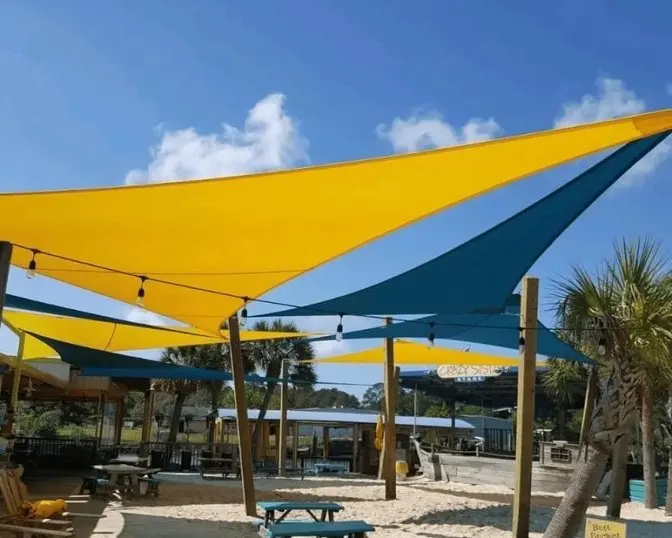
This is not a story about shade alone. It is a story about how you adapt to an environment, how infrastructure quietly supports daily life, and how functional design improves comfort without demanding attention.
Why Shade Is No Longer Optional in Dubai
When you live or work in Dubai, you quickly learn that shade is not a luxury—it is a necessity. With high solar radiation, prolonged summers, and rising urban density, unmanaged outdoor heat affects productivity, vehicle lifespan, energy consumption, and even public behavior.
You may notice how uncovered car parks turn into heat traps, making vehicle interiors unbearable. Pedestrian walkways without shade remain unused during peak hours. Open commercial spaces struggle to attract visitors. These challenges have driven architects and planners to rethink how outdoor environments function, leading to the growing relevance of tensile shade systems.
Unlike traditional concrete or metal roofing, tensile structures respond differently to heat and light. Their form, material, and flexibility allow them to perform multiple roles at once—blocking UV rays, encouraging airflow, and enhancing visual appeal.
Understanding the Engineering Behind Tensile Shade Structures
At first glance, a tensile shade structure may look simple—fabric stretched over steel supports. But when you look closer, you realize it is the result of precise engineering and material science.
Tensile structures rely on tension rather than weight. Instead of resisting forces through mass, they distribute loads through stretched membranes. This allows for large spans with minimal structural intrusion. In a city like Dubai, where aesthetics and efficiency must coexist, this lightweight approach makes practical sense.
The fabric used in these systems is often PVC-coated polyester or PTFE-based material. These fabrics are chosen not just for durability but for their reflective and thermal properties. When installed correctly, they reduce surface temperatures significantly, making the shaded area noticeably cooler.
From a user’s perspective, what matters most is the outcome: you feel the difference the moment you step under the shade.
The Role of Tensile Structures in Modern Urban Design
Dubai’s urban planning philosophy increasingly focuses on usability. You see it in mixed-use developments, pedestrian-friendly zones, and outdoor retail spaces. Tensile shade structures play a critical role in making these spaces viable.
You might notice tensile canopies covering public seating areas, school playgrounds, mosque courtyards, and transport hubs. Their sculptural forms complement modern architecture while serving a practical function. Instead of adding visual clutter, they often become architectural highlights.
This balance between form and function is one reason tensile shades have gained acceptance across residential, commercial, and institutional projects.
Rethinking Parking Comfort: A Shift in Expectations
Think about the last time you parked your car in an open area during summer. You probably rushed back, bracing yourself before opening the door. This daily inconvenience has pushed developers and property managers to reconsider parking design.
As a result, demand for a reliable car parking shade company in UAE has grown steadily. But beyond demand, expectations have changed. You no longer look for basic coverage; you expect durability, UV protection, and long-term performance.
Car parking shade systems are now designed to protect vehicles from sun damage, reduce interior heat buildup, and extend the life of paint and interiors. When shade structures are thoughtfully designed, they also improve traffic flow and visual order within parking areas.
In Dubai, where vehicles are both a necessity and an investment, shaded parking is increasingly viewed as essential infrastructure rather than an optional upgrade.
Weather Protection Beyond the Sun
While heat is the most obvious concern, Dubai’s climate presents other challenges. Sudden rain, dust storms, and occasional high winds all impact outdoor usability. This is where waterproof awning shades Dubai projects rely on become especially relevant.
Waterproof awnings are designed to manage rainfall without sagging or leakage, protecting entrances, walkways, and outdoor seating areas. You may notice them installed outside cafés, retail stores, villas, and hotels. Their purpose goes beyond shelter—they support continuity of use.
When rain arrives unexpectedly, covered areas remain functional. When dust levels rise, awnings act as partial barriers. This adaptability makes them a valuable component of resilient building design.
Materials That Perform in Extreme Conditions
If you live in Dubai, you know that not all materials age gracefully under intense sun. Heat, UV exposure, and sand can degrade surfaces quickly. Tensile shade systems address this by using fabrics engineered specifically for harsh climates.
High-quality membranes resist UV degradation, maintain color stability, and withstand tensile stress over long periods. Steel components are treated with corrosion-resistant coatings to handle humidity and salinity, especially in coastal areas.
As a user, you benefit from structures that remain reliable and visually intact over time, reducing maintenance disruptions and replacement costs.
The Human Experience Under Shade
Beyond technical performance, shade structures influence how you experience space. A shaded area invites pause. It encourages conversation, rest, and interaction. In public spaces, shade increases dwell time and social engagement.
You may notice how shaded playgrounds allow children to play longer, how shaded seating areas encourage community gatherings, or how covered walkways improve pedestrian movement. These small shifts add up, shaping how people interact with the city.
In this sense, tensile shade structures contribute to social sustainability as much as environmental comfort.
Sustainability and Energy Awareness
Dubai’s push toward sustainability has placed renewed emphasis on passive cooling solutions. Tensile shade structures align well with this goal. By reducing heat absorption, they lower surrounding temperatures and decrease reliance on mechanical cooling in adjacent indoor spaces.
When you shade windows, entrances, or outdoor areas effectively, you reduce solar gain. Over time, this translates into energy savings and reduced carbon footprint. While the impact of a single structure may seem modest, widespread adoption creates measurable change.
A Quiet Presence in Everyday Life
What makes tensile shade structures particularly interesting is how quietly they integrate into daily life. You may not consciously think about them, but you rely on them more than you realize.
They protect your car while you shop, shield you while you walk, and create comfortable outdoor environments where you meet, wait, or rest. Their success lies in their subtlety—they solve problems without demanding attention.
This quiet effectiveness is why they have become a preferred solution across Dubai’s evolving landscape.
Looking Ahead: The Future of Shaded Design in Dubai
As urban density increases and outdoor usability becomes more important, the role of shading will continue to expand. You can expect to see more innovative forms, smarter materials, and integrated designs that respond dynamically to climate conditions.
Tensile shade structures are likely to evolve alongside smart city initiatives, incorporating sensors, adaptive elements, and modular designs. Yet their core purpose will remain unchanged: to make outdoor spaces more livable.
When you walk through Dubai in the coming years, the shade above you will not just be protection—it will be a reflection of thoughtful design, environmental awareness, and human-centered planning.
Final Thought
You may not always notice when shade works well, but you immediately feel its absence. In a city defined by sunlight, the tensile shades structure Dubai continues to adopt represents more than engineering—it represents adaptation.
By reshaping how outdoor spaces function, improving comfort in parking areas, and offering weather protection through Waterproof Awning Shades Dubai, these structures quietly enhance everyday life. They remind you that good design does not shout. It simply works.