


Asian rugs carry centuries of artistry, cultural symbolism, and refined craftsmanship. From intricate Persian-style florals to bold geometric Tibetan patterns and minimalist Japanese-inspired designs, these rugs add depth and character to interior spaces. Designers value them for their ability to anchor rooms, while collectors appreciate their historical and artistic significance.
When people decide to buy asian rugs in USA, they encounter a vast range of options that vary in quality, origin, materials, and price. Without a clear framework, even experienced buyers can make costly missteps. Many of these mistakes stem from focusing only on appearance and overlooking construction, authenticity, and long-term value.
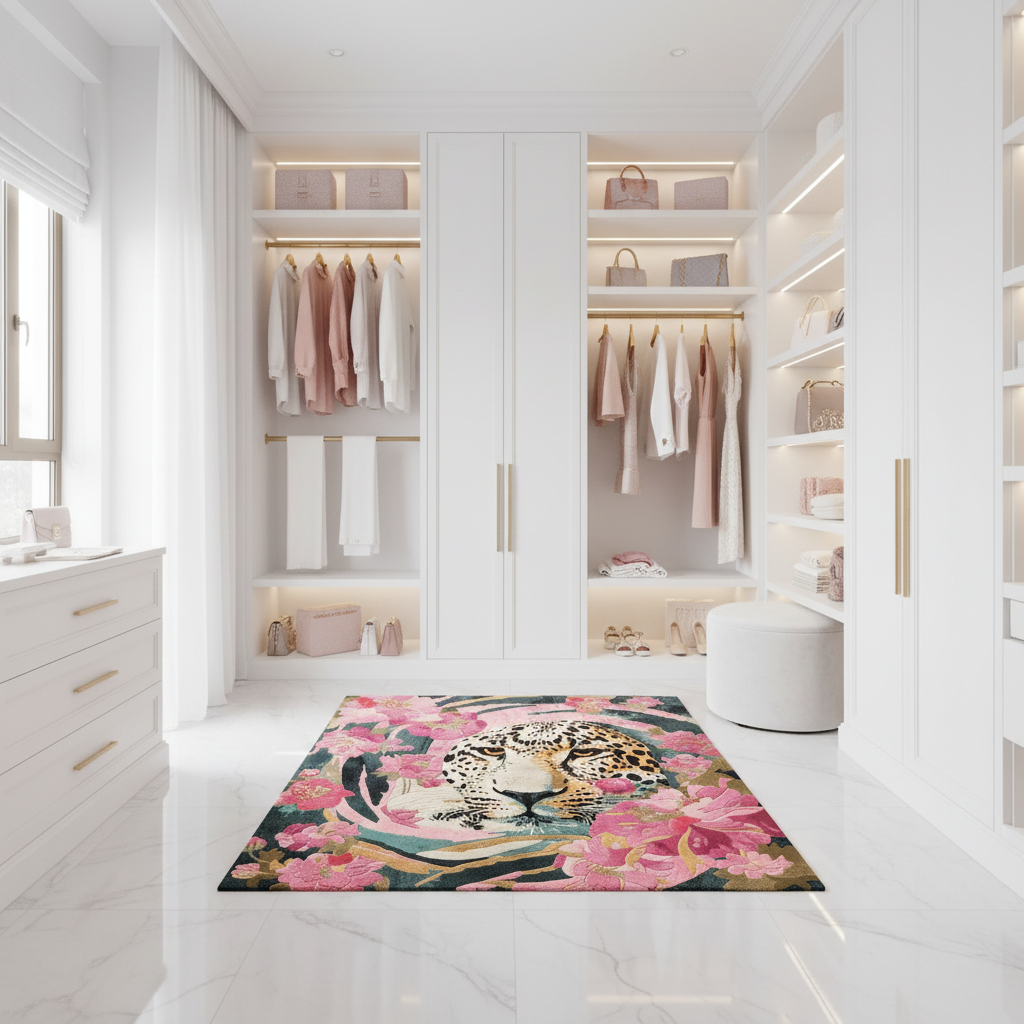
Mistake 1: Ignoring the Rug’s Origin
Asian rugs originate from many regions, each with distinct weaving traditions.
Why Origin Matters?
- It influences design language.
- It affects materials and techniques
- It impacts durability and value
A rug labeled “Asian-style” may not come from Asia at all. Buyers should ask for specific country or regional information.
Mistake 2: Confusing Handmade with Machine-Made
Handmade rugs and machine-made rugs differ significantly.
Key Differences
- Handmade rugs show slight irregularities
- Machine-made rugs display perfect symmetry
- Handmade rugs use natural fibers more often
Some sellers blur this distinction. Always confirm how the rug was produced.
Mistake 3: Overlooking Material Quality
Material determines feel, lifespan, and maintenance needs.
Common Rug Materials
- Wool
- Silk
- Cotton
- Bamboo silk
- Synthetic fibers
High-quality wool resists wear and stains naturally. Silk adds sheen but requires gentle care. Synthetic fibers offer affordability but may lack longevity.
Mistake 4: Choosing Size Based on Guesswork
Incorrect sizing disrupts room balance.
Sizing Tips
- Measure the room
- Consider furniture placement
- Leave consistent borders
A rug that feels too small or too large throws off proportion.
Mistake 5: Ignoring Knot Density
Knot density affects durability and detail.
Higher knot counts allow finer patterns and longer lifespan.
Lower knot counts suit casual spaces but may wear faster.
Ask for the knot count or inspect closely.
Mistake 6: Falling for Extremely Low Prices
Unusually low prices often indicate shortcuts.
Possible Issues
- Synthetic fibers disguised as natural
- Machine-made rugs are sold as handmade
- Poor dye quality
Value comes from materials and labor, not bargains.
Mistake 7: Not Checking Colorfastness
Poor dye quality leads to bleeding.
Simple Test
Dampen a white cloth and rub gently on an inconspicuous area. Color transfer signals risk.
Mistake 8: Overlooking Backing and Foundation
The back reveals construction quality.
Look for visible knots rather than fabric backing.
A strong foundation ensures longevity.
Mistake 9: Ignoring Maintenance Requirements
Some rugs demand specialized care.
Ask about cleaning methods before purchase.
Avoid rugs that require care you cannot commit to.
Mistake 10: Buying Without Considering Traffic Level
Traffic level determines the suitable rug type.
High-Traffic Areas
- Dense wool rugs
- Tight weaves
Low-Traffic Areas
- Silk blends
- Delicate weaves
Matching the rug to use prevents premature wear.
Mistake 11: Choosing Trend Over Timelessness
Trendy colors fade quickly.
Classic designs retain appeal.
Think long-term.
Mistake 12: Skipping a Rug Pad
Rug pads extend lifespan.
They prevent slipping and reduce friction.
Mistake 13: Forgetting About Lighting
Lighting alters color perception.
View rugs in similar lighting conditions to your room.
Mistake 14: Not Verifying Return Policies
Sometimes rugs look different at home.
Flexible return options reduce risk.
Mistake 15: Ignoring Cultural Context
Many motifs carry meaning.
Understanding symbolism deepens appreciation.
Practical Buying Checklist
- Confirm origin
- Verify handmade or machine-made
- Check materials
- Measure space
- Inspect knots and backing
- Test colorfastness
- Ask about care
This checklist simplifies decisions.
Balancing Aesthetics and Function
A beautiful rug must also perform well.
Balance pattern with practicality.
Investment vs Decorative Purchase
Some Asian rugs appreciate.
Others serve primarily as décor.
Know your intention.
Building Long-Term Satisfaction
Patience pays off.
Compare options.
Ask questions.
Choose deliberately.
Conclusion
Asian rugs offer unmatched beauty and craftsmanship when chosen wisely. Avoiding common mistakes ensures your purchase brings lasting satisfaction, durability, and aesthetic value. A thoughtful approach transforms a rug from a simple furnishing into a meaningful part of your space.