

Single vs Double Width Baker Scaffolding Buying Guide

Baker scaffolding remains a practical access solution for indoor and light-duty construction, maintenance, and finishing work. Its compact frame, easy mobility, and quick assembly make it a favorite among contractors, facility managers, and tradespeople who value speed and flexibility. Yet one decision often shapes performance, safety, and efficiency more than any other: choosing between single-width and double-width baker scaffolding.
Both options serve specific purposes. Each offers clear advantages depending on workspace size, load demands, and task complexity. Selecting the wrong width can slow work, reduce safety margins, and increase handling effort. Selecting the right one supports smoother workflows and confident operation at height.
Professionals reviewing baker scaffolding for sale in Qatar often face varied site conditions, from tight interior corridors to open commercial halls. Understanding how single-width and double-width systems differ allows buyers to match equipment precisely to project needs instead of relying on habit or price alone.
What Defines Baker Scaffolding Width?
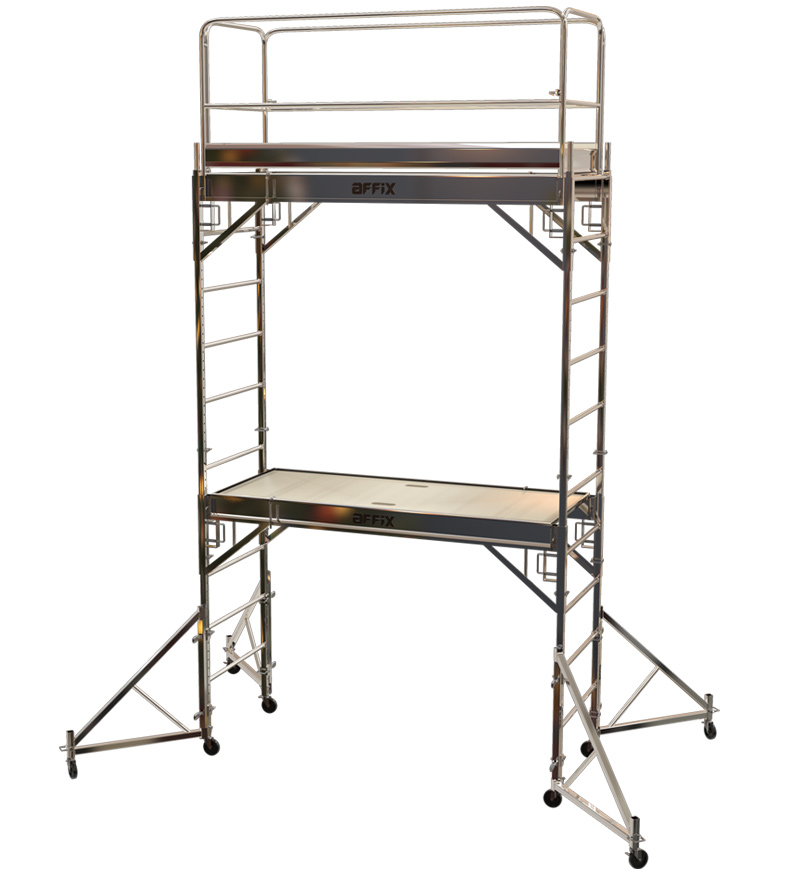
Width refers to the horizontal working space between the scaffold frames. Single-width baker scaffolding typically measures around 29 inches wide, while double-width versions extend to approximately 57 inches.
This measurement directly affects platform area, load distribution, and user movement. Width does not simply change comfort; it influences how work progresses and how safely teams operate.
Understanding width differences helps buyers avoid overloading narrow platforms or crowding wide spaces unnecessarily.
Single-Width Baker Scaffolding Explained
Single-width baker scaffolding fits into narrow spaces where maneuverability matters most. Contractors often use it in hallways, doorways, mechanical rooms, and residential interiors.
Its compact footprint allows easy navigation through confined areas without dismantling. Workers move the scaffold quickly between rooms, saving time during repetitive tasks.
Single-width units weigh less, which simplifies transport, setup, and repositioning. Smaller crews handle assembly without strain, improving efficiency on short-duration tasks.
Strengths of Single-Width Baker Scaffolding
Single-width baker scaffolding delivers clear benefits in space-restricted environments.
- Fits through standard doorways and corridors
- Lightweight and easy to maneuver
- Faster setup and dismantling
- Ideal for solo workers or light crews
- Efficient for quick maintenance and touch-up work
These strengths make single-width units a practical choice for interior-focused projects.
Limitations of Single-Width Systems
Compact size comes with trade-offs. Narrow platforms restrict movement and limit material placement.
Workers may need to climb down frequently to retrieve tools or supplies. This movement slows productivity and increases fatigue.
Single-width scaffolds also support lower load capacity compared to double-width systems. Buyers must account for combined worker and tool weight carefully.
Double-Width Baker Scaffolding Explained
Double-width baker scaffolding provides a broader working platform that supports heavier loads and multiple workers. Its expanded deck offers more room for tools, materials, and movement.
This configuration suits larger interior spaces, open commercial areas, and tasks that require frequent repositioning of equipment at height.
Double-width systems support collaboration. Two workers operate comfortably side by side, improving coordination and speed.
Strengths of Double-Width Baker Scaffolding
Double-width baker scaffolding excels where space allows and productivity demands increase.
- Larger platform for tools and materials
- Higher load capacity
- Better balance and stability
- Supports multiple workers
- Reduces trips up and down
These advantages translate into smoother workflows for extended tasks.
Limitations of Double-Width Systems
Increased width reduces maneuverability in tight spaces. Double-width units may not fit through doorways or narrow passages without partial disassembly.
Heavier components require more effort during transport and setup. Smaller crews may find handling more demanding.
Double-width scaffolding also occupies more floor space, which can disrupt movement in crowded work areas.
Load Capacity Comparison
Load capacity plays a central role in scaffold selection. Single-width baker scaffolding typically supports lighter loads suitable for one worker with basic tools.
Double-width systems distribute weight across a wider base, increasing allowable load. This design supports additional materials and equipment without compromising stability.
Buyers should always consider total load, including workers, tools, and stored materials, rather than focusing on worker weight alone.
Stability and Balance Considerations
Wider platforms improve stability by lowering the center of gravity and distributing load evenly. Double-width baker scaffolding resists tipping more effectively, especially when workers move laterally.
Single-width systems remain stable when used correctly, yet require greater attention to positioning and load placement.
Stability becomes especially important when working near maximum height or when frequent movement occurs on the platform.
Height Capability and Safety
Both single-width and double-width baker scaffolding share similar height extension capabilities through stacking or added frames. Safety depends on proper assembly and adherence to height limits.
Double-width units feel more secure at height due to broader base support. Single-width units require stricter adherence to manufacturer guidelines to maintain safe operation.
Guardrails, toe boards, and outriggers enhance safety regardless of width choice.
Mobility and Workspace Navigation
Mobility defines baker scaffolding appeal. Casters allow quick repositioning without dismantling.
Single-width scaffolding moves easily through confined areas. Workers reposition it frequently without clearing obstacles.
Double-width scaffolding moves smoothly across open floors but struggles in tight layouts. Planning movement paths becomes essential.
Workspace layout often determines which width offers better efficiency.
Assembly Time and Crew Size
Single-width baker scaffolding assembles quickly with minimal manpower. Solo workers often handle setup without assistance.
Double-width scaffolding may require two workers for safe assembly due to larger frames and platforms.
Assembly time differences matter on short projects where setup efficiency impacts overall productivity.
Productivity Impact by Task Type
Task type strongly influences width choice.
Painting, electrical work, and inspections often favor single-width units in tight spaces.
Drywall installation, ceiling work, and HVAC tasks benefit from double-width platforms that support materials at height.
Matching width to task type reduces wasted movement and fatigue.
Indoor vs Outdoor Use
Baker scaffolding primarily serves indoor applications, yet some tasks extend outdoors under controlled conditions.
Single-width scaffolding handles indoor corridors and rooms effectively. Double-width scaffolding suits indoor halls and sheltered exterior areas.
Outdoor use requires attention to surface level, wind exposure, and load placement regardless of width.
Transport and Storage Efficiency
Single-width units stack and transport easily due to compact size. Storage demands remain minimal.
Double-width systems require more storage space and careful stacking to avoid damage.
Buyers managing limited storage facilities may favor single-width systems despite reduced platform space.
Cost Differences and Value Assessment
Single-width baker scaffolding usually costs less upfront. Lower material volume and lighter construction contribute to reduced price.
Double-width systems carry higher initial cost but deliver value through productivity gains and load capacity.
Evaluating value requires looking beyond purchase price to consider labor savings and task efficiency.
Safety Compliance and Best Practices
Both systems require proper training and compliance with safety procedures. Width does not replace correct use.
Key safety practices include:
- Locking casters before climbing
- Maintaining three-point contact
- Avoiding overreaching
- Respecting load limits
- Using guardrails at height
Consistent safety behavior ensures performance regardless of scaffold width.
Ergonomics and Worker Comfort
Comfort influences productivity. Double-width platforms allow natural movement and tool placement, reducing strain.
Single-width platforms require more careful positioning and frequent repositioning, which can increase fatigue over long tasks.
For extended work periods, wider platforms support better ergonomics.
Flexibility for Future Projects
Buyers often consider long-term versatility. Single-width units suit a wide range of small tasks. Double-width units excel in collaborative and material-intensive work.
Some companies invest in both to cover diverse needs. Others choose based on dominant project types.
Flexibility supports better asset utilization.
Maintenance and Durability
Maintenance needs remain similar for both systems. Regular inspection ensures casters, frames, and platforms remain in good condition.
Double-width units experience more wear due to higher loads. Proper care preserves performance and safety.
Durable construction supports repeated use across projects.
Common Buying Mistakes to Avoid
Buyers sometimes choose based solely on price or habit. This approach leads to inefficiencies.
Common mistakes include:
- Underestimating tool and material weight
- Ignoring workspace dimensions
- Choosing width without task analysis
- Overlooking storage and transport needs
Avoiding these mistakes ensures better long-term satisfaction.
Matching Width to Industry Use
Different industries favor different widths.
Facility maintenance teams often prefer single-width units for mobility.
Construction trades handling materials at height lean toward double-width platforms.
Understanding industry norms helps guide selection.
Environmental and Site Constraints
Floor load limits, access routes, and occupancy affect width choice.
Single-width scaffolding fits occupied buildings with minimal disruption.
Double-width systems require more planning in shared spaces.
Site assessment supports safe and efficient deployment.
Long-Term Productivity Considerations
Choosing the right width affects daily output. Reduced movement, fewer climbs, and better tool access add up over time.
Double-width systems often deliver higher productivity on long tasks. Single-width systems shine in quick, mobile operations.
Productivity gains justify careful selection.
Conclusion
Single-width and double-width baker scaffolding each serve clear purposes. Neither option outperforms the other universally. Performance depends on matching equipment to real working conditions.
Single-width baker scaffolding excels in confined spaces, short tasks, and solo operations. Double-width baker scaffolding supports heavier loads, collaborative work, and extended tasks with greater comfort and stability.
Buyers who assess space, load, task type, and workflow needs make confident choices that enhance safety and efficiency. Selecting the right width turns baker scaffolding from a simple access tool into a reliable productivity asset across varied projects.