


Planning a Muslim wedding is a deeply meaningful experience that blends faith, family, and celebration. From the Nikah ceremony to the Walima reception, every detail must reflect cultural values and religious traditions. Selecting the right venue is one of the most important decisions in this journey, and many couples begin their search by exploring wedding halls New Jersey that can comfortably accommodate Islamic customs. A well-chosen hall not only provides space and elegance but also supports the spiritual and cultural flow of the entire event.
Understand the Religious and Cultural Requirements
Before visiting venues, it is essential to outline the key religious elements of a Muslim wedding. This may include arrangements for a Nikah ceremony, gender-segregated seating for certain families, modest décor preferences, and appropriate timing for prayers. Some couples also prefer venues that allow the call to prayer or offer a quiet space for Salah. When a hall understands and respects these needs, it creates a smoother planning process and a more meaningful celebration.
Look for Flexible Layout and Space Options
Muslim weddings often involve multiple segments, such as the Nikah, reception, and sometimes a Mehndi or engagement-style gathering. A suitable venue should offer flexible room layouts to accommodate these transitions. Large banquet spaces, movable partitions, and separate rooms for different functions are highly beneficial. When evaluating wedding venues, look for ones that can be reconfigured easily to suit both ceremonial and dining needs without disrupting guest comfort.
Confirm Catering Policies and Halal Options
Food is a central part of any wedding celebration, and for Muslim weddings, halal compliance is non-negotiable. Some venues offer in-house halal catering, while others allow external halal caterers. Either option can work, as long as the venue is transparent and accommodating. Important points to clarify include:
- Whether the kitchen follows halal food preparation standards
- If outside halal caterers are permitted
- Availability of vegetarian and vegan options for diverse guests
A venue that supports halal catering demonstrates cultural awareness and practical readiness for Muslim events.
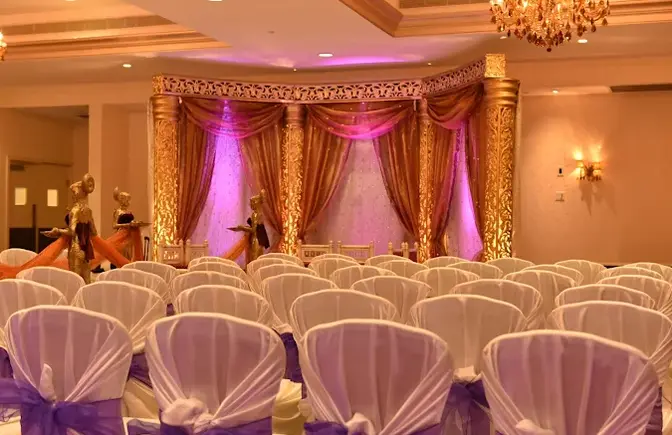
Evaluate Privacy, Décor, and Ambience
Privacy is often a key consideration, especially for families who prefer a more modest or women-only environment during certain portions of the event. Look for halls that provide discreet entrances, private dressing rooms, and controlled access to event areas. In the middle of your venue search, many couples realize that wedding halls New Jersey vary widely in their ability to offer this level of privacy and personalization. Neutral interiors, adjustable lighting, and customizable décor options also help align the space with Islamic aesthetics and family preferences.
Assess Experience With Muslim or Cultural Weddings
A venue’s prior experience hosting Muslim weddings can make a significant difference. Experienced event managers understand prayer-time adjustments, ceremonial pacing, and culturally appropriate décor and music guidelines. Ask whether the venue has hosted similar events and how they handled logistics. Even small details—such as knowing when speeches should pause for prayer or how to arrange seating respectfully—can elevate the overall experience.
Consider Accessibility, Parking, and Guest Comfort
Muslim weddings often bring together large extended families, elders, and guests traveling from different cities or countries. Accessibility matters. The venue should offer ample parking, wheelchair access, climate control, and nearby accommodation options. Comfortable seating, clean restrooms, and well-managed crowd flow ensure that guests of all ages feel welcome and relaxed throughout the celebration.
Review Contracts, Policies, and Scheduling Flexibility
Finally, carefully review the venue’s policies around timing, music, catering, and décor. Some Muslim weddings extend late into the evening or include prayer breaks that affect scheduling. Make sure the venue allows this flexibility without excessive surcharges. Transparent pricing, reasonable overtime policies, and supportive event coordination are signs of a venue that truly values your celebration.
Final Thoughts: Choose a Venue That Respects Your Traditions
Selecting the right venue is about more than appearance—it’s about respect, flexibility, and cultural understanding. The best wedding halls New Jersey for Muslim weddings are those that honor religious traditions, support halal catering, offer privacy, and adapt seamlessly to ceremonial needs. When these elements come together, couples can focus on what truly matters: celebrating love, faith, and family in a setting that feels authentic and welcoming.