


In 2026, pet safety is no longer a side promise. It’s the backbone of professional care. Top Dog Walking Companies in New Orleans operate in a city with heat, storms, crowds, and unpredictable streets, so safety has evolved fast. Local walkers blend hands-on experience with modern tools, real accountability, and neighborhood-level awareness. What follows isn’t marketing fluff. It’s how these businesses actually keep dogs protected, calm, and healthy while moving through New Orleans every day.
1. Hiring standards shaped by real-world risk
The utmost estimable New Orleans walkers do n’t hire casually presently. Background checks are anticipated, but experience now matters just as important. Companies look for people who have handled reactive dogs , elderly Pets , and high- energy types in busy surroundings. Training includes road mindfulness, reading canine body language, andde-escalation when effects feel off. Walkers are tutored to trust instinct, not rush schedules. That mortal judgment still matters further than any app or wearable.
2. Heat-aware scheduling and climate planning
The New Orleans heat isn’t theoretical. It’s intense, sticky, and dangerous for paws and lungs. In 2026, walks are planned around pavement temperatures, not just clocks. Early mornings and late evenings are the norm during warmer months. Many companies shorten routes and add hydration breaks automatically. Some even carry portable cooling wraps. Safety here means knowing when not to walk far, even if a client originally asked for more time.
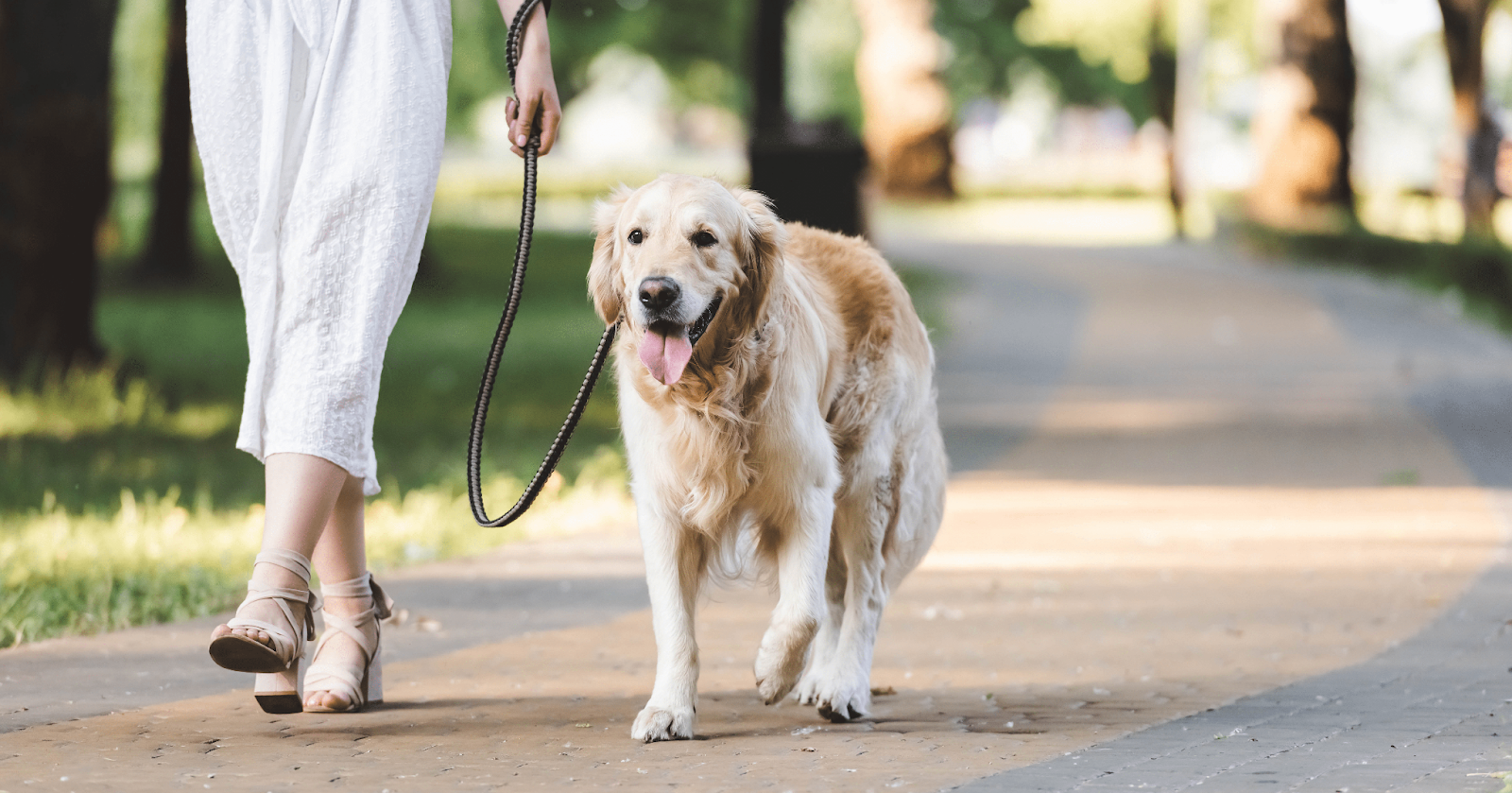
3. GPS tracking without turning dogs into data
Technology plays a role, but it’s used lightly. GPS-enabled apps let clients see where their dog is, which builds trust. More importantly, companies use tracking to log safe routes and flag problem areas like aggressive stray zones or broken sidewalks. It’s not about surveillance. It’s about pattern awareness. Walkers still stay present, eyes up, leash firm, rather than staring at screens while dogs navigate real streets.
4. Leash protocols built for urban unpredictability
Off- leash walking is rare and frequently banned by company policy. New Orleans thoroughfares have bikes, delivery exchanges, second- line processions, and unforeseen noise. In 2026, utmost walkers use double- clip harness systems to help escape. Leashes are checked constantly for wear and tear. Walkers are trained to place dogs down from business and keep slack minimum. It’s boring, perhaps, but boring is what keeps dogs alive.
5. Emergency response plans that aren’t theoretical
Every serious company has an emergency playbook now. Walkers know which vet clinics are closest to each route. They carry basic first aid kits and understand heat exhaustion signs. If a dog gets injured or panics, there’s a clear chain of action. No guessing, no freezing. Clients are contacted immediately, but walkers are empowered to act first. Speed and calm decision-making matter more than perfect communication.
6. Weather monitoring beyond the forecast app
Storms in New Orleans do n’t politely stick to prognostications. Canine walking companies cover radar, flood tide cautions, and road- position conditions daily. In 2026, routes are acclimated for billabongs that hide sharp debris and areas that submerge presto. Walks are canceled when conditions cross a safety line, indeed if Clients push back. Responsible companies would rather lose a booking than risk a canine slipping, ingesting polluted water, or being scarified by unforeseen thunder.
7. Health screening and parasite awareness
Original knowledge matters then. Fleas, ticks, heartworms, and standing- water bacteria are real enterprises. Walkers are trained to spot skin vexation, limping, or unusual fatigue mid-walk. still, it’s reported, If the commodity looks wrong. Some companies bear evidence of preventative treatments before onboarding a canine. That protects everyone in group settings. Safety is n’t just about a moment's walk. It’s about not carrying problems from one neighborhood to another.
8. Insurance, bonding, and quiet accountability
By 2026, insurance isn’t optional. Professional dog walking companies carry liability coverage that protects pets, property, and people. Bonding adds another layer of trust. What’s changed is transparency. Clients are shown policies upfront, not buried in fine print. When mistakes happen, and they sometimes do, responsible companies own them. Accountability builds long-term safety culture more than glossy promises ever could.
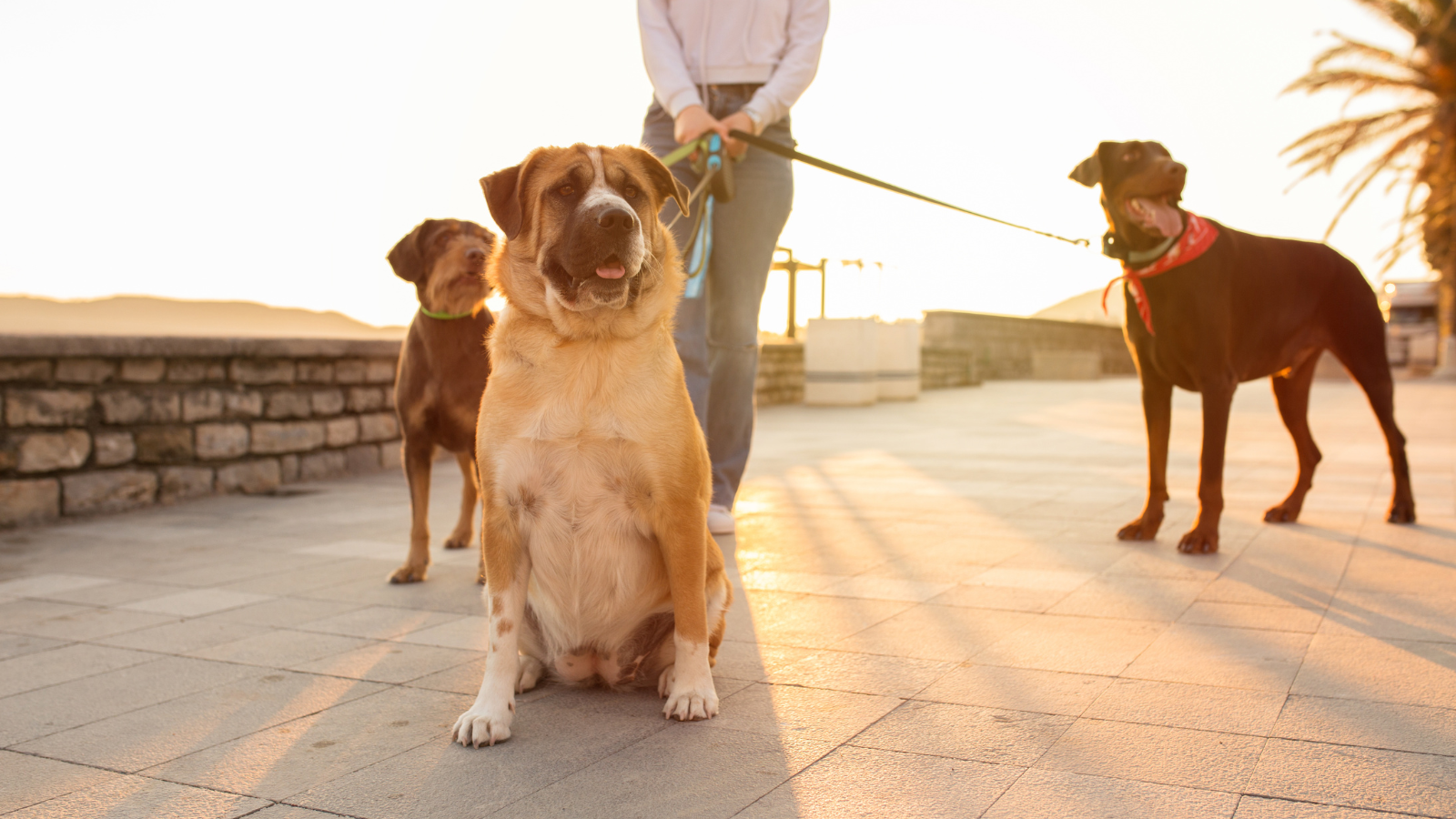
9. Communication that actually reduces risk
Good communication prevents accidents. Walkers leave detailed notes after walks, not copy-paste summaries. They mention distractions, mood shifts, or changes in energy. Clients are encouraged to share updates too, like new meds or sore paws. In 2026, this back-and-forth is constant but low drama. It keeps everyone aligned. When dogs feel off, small signals are caught early instead of ignored until something breaks.
10. Neighborhood-specific route knowledge
New Orleans isn’t one environment. Each area has its own rhythms. Walkers learn which blocks have loose dogs, which parks get chaotic at certain hours, and where construction pops up without warning. Routes evolve constantly. Safety comes from familiarity, not maps alone. Companies that stick with the same walkers in the same neighborhoods reduce risk because knowledge compounds over time. That local memory keeps dogs safer than any generic plan.
Conclusion
In 2026, pet safety isn’t a selling point. It’s the baseline. The best Dog Walking Companies build protection through experience, local awareness, clear systems, and human judgment. They respect the weather, streets, and the individuality of every dog. When safety is treated as a daily practice instead of a checkbox, dogs don’t just get walked. They get cared for in ways that actually hold up outside the brochure.