


Waterfront living feels inspiring because it blends natural beauty with everyday comfort. People enjoy quiet mornings near the water, relaxed evenings with gentle breezes, and the freedom to connect with open spaces. Yet behind every safe and reliable waterfront experience stands thoughtful planning and skilled building practices. A structure that extends over water must handle constant moisture, changing tides, and soil movement without losing strength or balance. Professional Pier construction plays a vital role in creating dependable access while protecting long-term property value and user safety. When builders apply proven principles from Marine Construction, they deliver stability, durability, and visual harmony that enhance the entire waterfront environment.
A solid pier handles foot traffic without cracking, even when waves push hard. Under your shoes, it stays steady. Its look fits the shoreline, pleasing eyes without demanding much care later on. Most overlook the careful math below water - those hidden choices shape everything above. When owners see how experts plan each step, uncertainty fades. Lasting docks come from smart groundwork, nothing less.
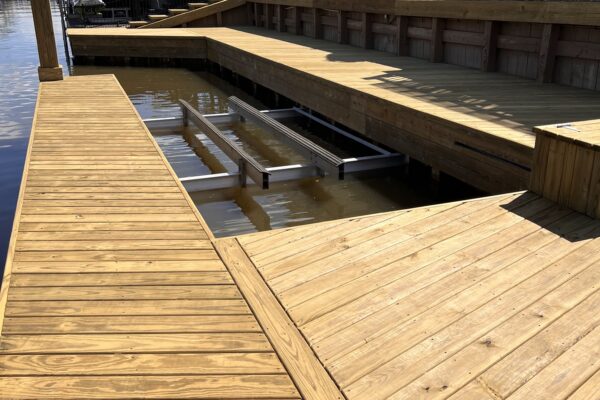
The foundation influences long term stability
Beneath every dock lies a base built to handle heavy loads, pushing them down into firmer ground below. Because water keeps shifting sand and mud, topsoil won’t hold up over time. Structures rely on poles driven far beneath the loose stuff, finding denser zones that stay put. These deeper anchors stop sinking, tilting, or strain from building up where it shouldn’t.
Before putting anything in place, experts check what the ground is made of, how water moves, then figure out weight needs using marine building rules. Because these checks happen early, surprises pop up less often, accuracy gets better as work goes on. A solid base means piers stay steady over time rather than falling apart fast and needing constant fixes.
Design Choices Balancing Beauty and Function
Each morning, folks step onto the pier shaped by design decisions made long ago. When pathways feel open and clear, more visitors show up without thinking much about it. Narrow lanes or awkward turns make movement harder than it needs to be. Railings set at just the right level keep people steady without drawing attention. Light fixtures placed too far apart leave shadows where none should linger. Underfoot, rougher surfaces prevent slips when rain coats the boards. Every choice blends into how easily someone lingers or passes through.
Out in the open sea, pier layouts shape how well they hold up over time. Water moves easier when parts are spaced right, so gunk does not pile up and damp stays low. Lines that follow smart angles spread loads evenly, taking pressure off single pieces. Mixing hands-on know-how from marine work with fresh ideas brings looks and strength into step.
Material Quality Affects How Long Things Last and How Much Care They Need
Morning dew sticks longer on some surfaces, inviting mold where warmth shifts daily. Picking what lasts means less fixing down the road, especially when storms come often. Wood soaked in preservatives holds up better, metal nails resist rust even when wet, while paint layers block nature's wear without cracking easily.
Built tough, marine structures demand knowing how materials age under pressure. Instead of guessing, experts study decay rates, upkeep needs, long-term durability. Using solid parts in piers means less fixing later, outcomes stay steady across seasons.
People Notice Nature Staying Balanced
Besides offering scenic views, waterfront zones host a range of living systems needing thoughtful handling when building nearby. Keeping shorelines intact means watching how projects might shift sand or disrupt underwater plants. Before any digging starts, teams check what impact machines could have on roots and bottom layers. Stability of the edge between land and water often hinges on these early reviews.
Building piers with care means using methods that protect nature without sacrificing strength. Water stays cleaner when techniques borrowed from offshore work are applied near shorelines. Soil moves less, foundations hold better, if the surrounding ecosystem stays balanced. Less wear happens over time because stable ground supports steady structures.
Improved safety and reliability through engineering accuracy
What holds things up starts with precise math behind the scenes. When forces push down or sideways, each piece must respond without failing. Designers look at heaviness, gusts of wind, even shifting liquids - all shape the outcome. Solid connections matter most where parts meet one another. Gaps left just right keep tension from piling up in weak spots.
Building a pier right means getting every measurement exact, plus watching each step closely. Sticking to trusted marine methods makes sure the work holds up when people need it most. Safety isn’t guessed - it comes from careful choices during construction. Those who walk on it feel secure because the foundation stands firm without surprise.
Planning Ahead Helps Adjust Later
A shore might mean one thing today, another tomorrow - kids get older, hobbies change, weather acts up. Good plans expect such shifts, building in room to adapt without tearing things down later. Homes go up ready for more people, new uses, extra wear, yet still stand strong when asked more of them.
Piers built with future changes in mind start with flexible layouts. Because they account for shifting weather and higher seas, experts shape designs around real-world marine conditions. When upkeep needs are part of early planning, function stays strong over time. Structures like these hold value by staying useful, even as surroundings shift.
Routine Care Keeps Things Working Well and Looking Good
What holds up well today might weaken tomorrow without attention. Spotting small issues early means fixing them before they grow worse. When gunk builds up, it can block flow or eat at materials - washing it away helps prevent trouble.
Getting to parts during pier building makes fixing things later smoother, so owners handle chores without big interruptions. From marine work, people learn how often piers need attention depending on weather and how much they’re used. Sticking to regular checks keeps everyone safe, the structure looking good, stays strong over years.
User Experience Improves Waterfront Enjoyment
A stretch of wood meeting the water ought to blend, not stand out. Moving from land to deck happens easily when steps flow without interruption. Spacing between rail posts matches the rhythm of a slow walk. Some spots invite stopping, others guide you forward. Heavy rails feel safe under hand but never block the view. When crowds come, room to pass keeps tempers calm. Empty or full, it holds space without pressure. Comfort lives in how corners round off gently.
A solid pier means more pleasure each day, because people feel sure it will last. Those who have worked on water projects know what makes a space safe, strong, and pleasant at once. When done right, a simple dock becomes central to life near the shore.
Conclusion
Water holds power, so getting to it needs thought, care, time. Building a solid dock means doing things right from day one, working with tides, storms, salt. Expertise shapes strong frames that stand up to waves without cracking under pressure. These builds follow rules born from years fixing what failed before. What looks like wood and bolts is actually calm - a place where people walk without worry. Value grows quietly, over seasons, as paint stays put and foundations hold firm.
Frequently Asked Questions
Q1. How long can a professionally built pier last?
A pier lasts many years when built right - strong base, good parts, care over time. Safety stays high. It still looks decent too.
Q2. How often should inspections take place?
Besides yearly reviews, looking things over when storms pass can catch small problems before they grow. That way, everything keeps working without surprise hiccups.
Q3. Can design influence safety as much as engineering?
Fine details can make a big difference - better sight lines, easier walking paths, smoother footing. These things add up quietly. Safety feels natural when each part works well on its own. Comfort follows without calling attention to itself.