


The choice of materials for structures that are waterfront requires keeping in mind aesthetics, durability maintenance requirements, as well as budgetary limitations in ways that are different from traditional residential construction. Marine environments are harsh and subject material to constant exposure to moisture temperatures, extreme temperature variations, ultraviolet radiation, and the possibility of saltwater corrosion, which can accelerate the deterioration and limit the options for building materials. Expert boat house builders know what materials can withstand these harsh conditions, while still delivering the performance and aesthetics that property owners demand. Making educated choices about the materials you choose during the design phase avoids premature failures, helps reduce the cost of maintenance over time and guarantees that your investment will provide decades of reliable service, protecting your precious watercraft.
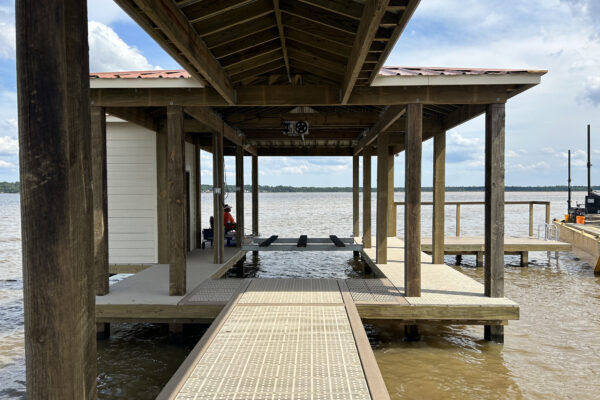
Foundation and Structural Support Materials
The foundation elements that are not visible to the eye supporting your boat's house are exposed to the most severe conditions of all construction elements. The foundations are submerged all the time or in splash zones, where the alternating dry and wet cycles can cause rapid degradation. Materials used to construct these vital structural components directly affect their longevity and load-bearing capability throughout the structural's lifespan.
The timber pilings treated with pressure offer traditional security when correctly specified for marine uses. Southern yellow pine that has been treated according to certain retention levels is resistant to mold and marine pests, which rapidly destroy wood that is not treated. The treatment standards differ and only wood that meets standards for marine-grade provide sufficient protection. Make sure that your pilings are covered by the appropriate certifications for treatment instead of accepting residential grade lumber that is not suitable for the water.
Concrete pilings offer exceptional durability and require little maintenance even with constant exposure to water. Concrete members that are reinforced have greater strength-to-weight ratios and are resistant to biological attack, corrosion and damage from impact. The initial cost is greater than alternatives made of wood, however the longer service life of concrete often makes it more worthwhile to invest in the initial investment. Concrete is especially effective in saltwater environments, where wood treatments are more degraded and steel suffers from aggressive corrosion.
Steel pilings have a tremendous amount of strength and are able to be driven to great depths even in the most difficult soil conditions. Marine-grade steel coated with appropriate coatings or galvanizing will withstand corrosion for decades, however damage to the coatings caused by the installation or impact requires regular examination and repairs. Stainless steel has excellent corrosion resistance, but comes with expensive prices that restrict its application to only specialized zones that are exposed to extreme temperatures.
Decking and Walking Surface Options
Flooring materials are subject to constant load from equipment, foot traffic and direct exposure to weather with the need for slip resistance for security. The deck's surface is a major factor in both aesthetics and functionality and therefore, the choice of material is particularly crucial in places where people frequently use boats and walk around them.
Traditional pressure-treated lumber decking offers an economical service when it is maintained with regular cleaning, and regularly sealant or staining. The wood is easily stained and allows for customization to suit the aesthetics of your home. But, wood requires constant maintenance and eventually replacement when wear and weathering over the limits of normal conditions. The proper spacing between boards allows for the drainage of air and circulation to will prolong the lifespan of the wood.
Composite decking combines wood fibers and polymer binders creating a surface that is resistant to the effects of rotting, splintering and fade, while requiring only minimum maintenance. Modern formulations include UV stabilizers and mold inhibiters that keep the appearance throughout years of exposure to moisture and sun. Composites can be more expensive than treated lumber, yet they eliminate the need for sealing, staining, or regular replacement. Certain products can be uncomfortable in direct sunlight. This is which is a major concern in southern climates or unshaded installations.
Aluminum decking systems are renowned for their durability and resistance to corrosion with practically maintenance-free performance. Textured surfaces offer superior slip resistance, even in wet. The surface remains cool beneath the feet in comparison to composites, and has greater strength-to-weight ratios. Industrial-style appearance and premium pricing restrict residential use, but the increasing variety of design options can improve aesthetics while still blending into traditional architectural styles.
Roofing Materials for Marine Environments
Roofs protecting boats are exposed to intense sun winds, wind uplift forces and salt sprays that could make them more susceptible to failure than typical residential conditions. The right selection of materials and top-quality installation techniques will ensure weather-proof protection in spite of these threats.
Metal roofing is a great choice for marine applications due to its excellent wind resistance, longevity of service and minimal maintenance requirements. Standing seam systems can accommodate thermal expansion, while also providing great water removal. Aluminum naturally resists corrosion. steel needs protection coated or galvanizing. Metal reflect solar heat, which reduces temperatures inside, however the sound of rain on metal surfaces may be a problem for homeowners.
Architectural shingles provide a traditional look for a reasonable price and high wind resistance when installed. High-end products include algae-resistant coatings with enhanced UV defense, extending the life span. However, shingles have lower service lifespans in coastal areas with harsh conditions compared to alternatives made of metal. Salt exposure can accelerate the loss of granules and is more frequently replaced than applications in the inland.
Membrane roofing systems, such as TPO and EPDM are reliable in waterproofing applications with a low slope. They are resistant to UV degradation allow structural movement and have long service lives by ensuring proper installation. The quality of installation is vital because seam integrity affects longevity of performance.
Siding and Exterior Finish Materials
Exterior cladding has to be able to withstand the elements while enhancing the appearance of the property and ensuring requirements for maintenance. The options for materials include traditional wood items to contemporary engineered options that offer different performance characteristics.
Fiber cement siding provides incredible durability and resistance to insects, moisture damage and fire. It also accepts paint finishes that renew appearance on a regular basis. It maintains its the dimensional stability of its structure by adjusting humidity to prevent warping, which is typical with wood-based products. But fiber cement requires an expert installation and is able to support a significant weight that requires structural support.
Vinyl siding is low-maintenance and resistance to corrosion at affordable cost. High-quality products contain UV stabilizers to prevent excessive loss of color and the brittleness. The material is never painted although color options are in place. Marine-grade vinyl formulations are resistant to salt spray and keep their appearance much better than typical consumer products.
Natural wood siding is timeless in its beauty, but requires regular maintenance, including cleaning staining, painting or staining, and ultimately replacement of damaged sections. Redwood and Cedar have natural oils that resist decay more over other kinds of wood. Wood is a great choice for homeowners who accept the responsibility of maintaining their property to maintain their appearance.
Choose the Right Dock Type to Complement Your Boat House
The materials used for boats should be coordinated with dock systems adjacent to them, resulting in a an attractive appearance that is compatible with techniques for construction. Mixing materials that are not compatible or finishes between buildings creates visual discord and could lead to corrosion due to galvanic reactions between different metals when in contact.
Wood boat homes work well with timber dock systems that share the same aesthetics and construction methods. However, mixing wood structures with composite or aluminum dock materials requires a keen focus on transition details and fastener selection to avoid damage or finish staining.
Modern boat houses match contemporary dock designs by using similar materials. They reduce maintenance requirements for all waterfront installations, and offer coordinated aesthetics. Take into consideration long-term maintenance needs when selecting the materials that will provide the same commitment levels for every waterfront structure.
Fasteners and Hardware Considerations
Connection hardware is subject to severe corrosion and requires marine-grade requirements, regardless of principal material selections. The standard fasteners fail in saltwater environments, causing structural issues as well as unsightly stained surfaces with rust.
Fasteners made of stainless steel offer excellent corrosion resistance across a range of applications. Type 316 stainless offers superior performance in saltwater when compared the Type 304. Hot-dipped galvanized fasteners deliver good protection at lower cost for freshwater installations. Do not use electroplated zinc fasteners with sufficient resistance to corrosion to marine usage.
Connectors for structural structures, such as post hangers, joist hangers and beam ties require hot-dipped galvanizing, or stainless construction. These vital components are subject to heavy load, which makes premature failure especially hazardous. Make sure that the specifications of the connectors are in line with those of the environmental exposure levels.
Frequently Asked Questions
How much will marine-grade construction materials make construction more expensive?
Marine-grade products typically add fifteen to 30 percent of the cost of materials compared to household materials. However, this investment can extend longevity and lowers costs for maintenance. The total costs of ownership during the life of the structure typically favors high-end materials, regardless of the higher initial expense.
Do I have the ability to mix different materials kinds in one houseboat?
Mixing materials is commonplace and is often beneficial, mixing the strengths of different materials for specific purposes. But, make sure that the mix is compatible with adjacent materials to avoid the corrosion of galvanics or problems with moisture. Professional designers know the right combinations and the details of transition to prevent the long-term effects.
Which materials need the least need of maintenance?
Steel, aluminum, vinyl, and other quality composites require little maintenance other than regular cleaning. Concrete structures also require minimal maintenance beyond examination. They have greater initial costs but do not have regular maintenance costs and repair cycles that are that are associated with wood products.
Do I need to consider quality or appearance when deciding on materials?
Take into account both factors Based on your goals and your budget. Modern materials can offer stunning aesthetics and durability. Talk about options with knowledgeable professionals who will recommend products that satisfy both aesthetic requirements as well as functional preferences without sacrificing any of the essentials.