


The Basics Nobody Talks About
Let’s start simple. Floating docks. Boat dock repairs. Most people only think about them when something breaks. Truth is, docks aren’t just planks of wood or steel sitting on water. They’re the lifeline between your boat and land. They’re the thing you don’t notice until one day you do––because something went wrong. And when it does, you realize fast how important they are. A floating dock isn’t just convenience. It’s safety. It’s function. It’s the foundation of your waterfront setup. And dock repairs? That’s what keeps the whole thing from turning into a headache.
Why Floating Docks Changed the Game
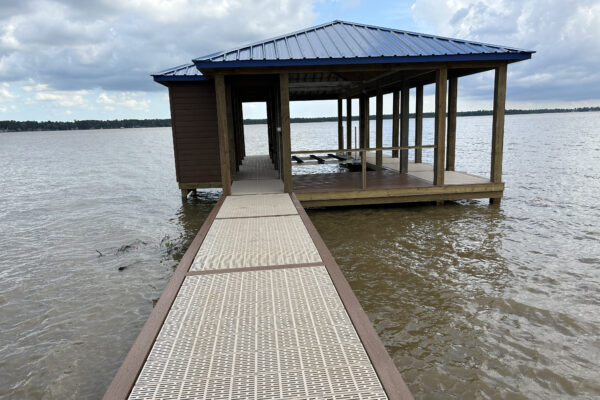
Fixed docks are fine. Solid. Steady. But floating docks? They changed everything. They rise and fall with the water. That means no more climbing ladders when the lake drops or worrying when the tide runs high. They move with nature instead of fighting it. And that flexibility makes them last longer. Plus, installing a floating dock is often quicker and less disruptive than pounding pilings into the ground. For a lot of folks, it’s the only thing that makes sense. And once you’ve used one, you’ll wonder why you ever dealt with anything else.
The Harsh Reality of Dock Damage
Here’s the ugly part. Docks don’t last forever. Weather eats at them. Water finds the smallest cracks and makes them bigger. Ice in winter, pounding sun in summer, it all takes its toll. And then there’s boats bumping in, storms ripping through, or even just time itself. Wooden boards rot, metal rusts, plastic warps. The harsh truth? A dock left unchecked becomes unsafe. Repairs aren’t optional. They’re mandatory if you want to keep using it without worrying every time you step foot on it.
What People Get Wrong About Boat Dock Repairs
A lot of folks treat repairs like patch jobs. Nail down a loose board here, slap on a new bracket there, call it a day. But docks don’t work like that. They’re a system. Every piece connects. You ignore one weak point, and it pulls the rest down. Think of it like fixing a car. You wouldn’t replace just one tire if three others are bald. Same with a dock. Real dock repairs look at the big picture, not just the piece that’s squeaking today.
Materials Make All the Difference
Wood looks great. Classic, warm, natural. But it also needs the most love. Rot, splinters, soft spots—wood doesn’t forgive neglect. Aluminum is lighter, resists rust, but it can bend under pressure. Composite? It’s the middle ground. Sturdy, low maintenance, but a bit pricier. Every choice has trade-offs. And repairs depend on the material. You can’t treat wood like aluminum, or aluminum like plastic. Choosing the right material for your dock—and knowing how to maintain it—is what separates a ten-year headache from a twenty-year investment.
Floating Dock Upgrades Nobody Mentions
Dock ladders. Cleats. Bumpers. Lighting. These little extras get overlooked, but they make a huge difference. A floating dock with good accessories feels like part of your lifestyle instead of just a place to tie a boat. And here’s the kicker—if those parts fail, they can cause damage to the dock itself. Loose cleats tear boards. Old ladders twist frames. Good upgrades and good maintenance go hand in hand. Ignore the extras, and you’ll be paying more in repairs down the road.
When to Repair vs. When to Replace
This is the million-dollar question. How do you know when a repair is enough and when the whole dock’s got to go? The short answer: it depends. If the frame’s solid and the floatation’s good, repairs are usually worth it. But if the dock sinks unevenly, if rust has chewed through key joints, or if the whole thing sways when you walk—replacement is the safer bet. People hate to hear it, but sometimes repairs are just money wasted on something that’s already past its prime.
Safety First, Always
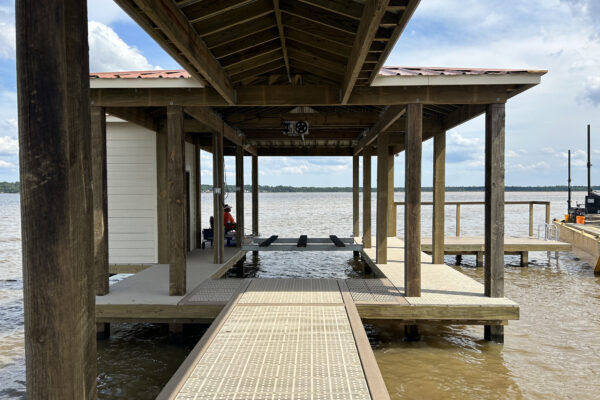
Look, docks might seem simple, but they’re holding people, boats, sometimes vehicles, and always heavy loads. A rotten plank can break an ankle. A loose bracket can flip a section of dock. And don’t even get me started on exposed nails or rusted bolts. The number one reason to keep up with boat dock repairs isn’t looks. It’s safety. You don’t want to explain to a guest how they ended up in the lake because you “meant to fix that board last summer.”
The Money Side Nobody Likes Talking About
Repairs cost money. Floating docks aren’t cheap either. That’s the part everybody wants to avoid. But here’s the truth: ignoring small repairs costs more than fixing them early. Replace a board now, or replace a whole section later. Swap a bracket today, or rebuild a frame next season. Think about it like insurance. Pay a little to keep things in shape, or pay a lot when it all falls apart. The math’s simple once you’re honest with yourself.
Seasonal Care That Saves You Later
One trick a lot of pros know? Off-season care is the real money saver. Pull your floating dock out if you can. Check the floats, brackets, decking. Winter is brutal on docks. Ice pressure, snow weight, freezing and thawing—it’s all bad news. A little time in the fall and spring saves big headaches mid-summer. Boat dock repairs done off-season are often cheaper too, since crews aren’t slammed. Smart owners get ahead, not behind.
Why DIY Isn’t Always the Answer
YouTube makes it look easy. “Fix your dock in 10 minutes!” Yeah, no. Some repairs you can handle yourself, sure. Replace a board, tighten some bolts, maybe swap a cleat. But when it comes to structural stuff—frames, floats, anchors—you need pros. Mistakes don’t just cost more later, they can be dangerous. It’s not about skill pride. It’s about knowing when to step back and say, “This one’s out of my league.” Floating docks and dock repairs aren’t places to cut corners.
Wrapping It Up
So here’s the bottom line. Floating docks are flexible, reliable, and flat-out make life easier on the water. But like anything worth having, they need care. Boat dock repairs aren’t glamorous, but they keep you safe, save you money, and stretch out the life of your setup. The question isn’t whether you’ll need them—it’s whether you’ll handle them right. Take docks seriously, because they’re the bridge between your land and the water you love. And if you’re ready to get serious about your dock, visit Dream Boat Docks to start.
FAQs About Floating Docks and Boat Dock Repairs
1. What’s the average lifespan of a floating dock?
Depends on material and care. Wood might last 15 years with upkeep, aluminum or composite can stretch to 25+.
2.How often should I inspect my dock for repairs?
Twice a year minimum. Once in spring, once in fall. More if storms roll through often.
3.Are floating docks better than fixed docks?
For changing water levels, yes. They rise and fall with the tide, which makes them safer and easier to use.
4.Can I do boat dock repairs myself?
Small fixes, sure. Major frame or float repairs? Get a pro. Mistakes cost more than doing it right the first time.