

Mongolia for Adventure Travelers: Horseback Riding & Nomadic Life With eVisa
Experience the thrill of Mongolia with an eVisa! Ride horseback across vast steppes, live like a nomad, and immerse yourself in ancient traditions. Perfect for adventure seekers craving raw nature and cultural depth—Mongolia offers a journey unlike any other.

If you want a travel experience that feels raw, immersive, and full of life, Mongolia offers horseback rides across sweeping plains, nights in gers with nomadic families, and a simple visa process thanks to the Mongolia eVisa. You will leave changed by fresh air, wide skies, and human connections.
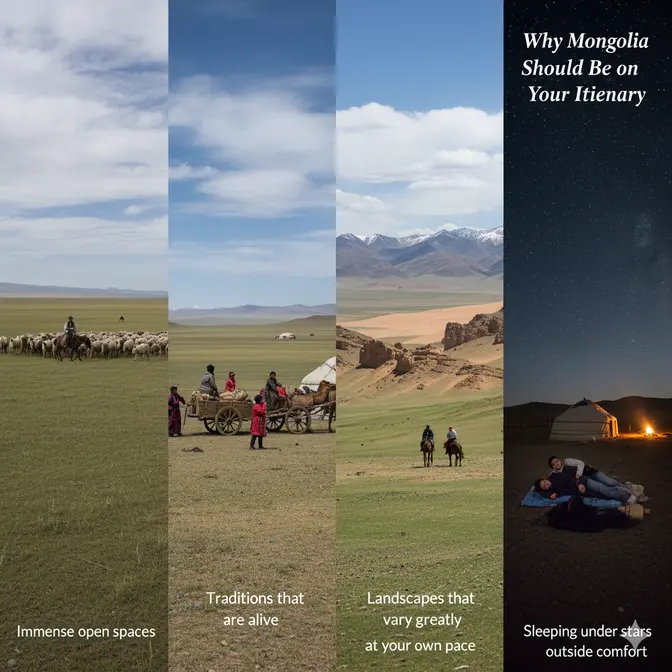
Why Mongolia Should Be on Your Itinerary
Mongolia gives you:
- Immense open spaces where sky meets earth
- Traditions that are alive: people follow seasonal herding, move camps, care for animals
- A chance to travel at your own pace, not trapped in strict itineraries
- Landscapes that vary greatly: grasslands, desert, mountains, frozen lakes
Adventure here is about stepping outside comfort, sleeping under stars, riding horses, helping with daily chores. It is about real life, not curated postcards.
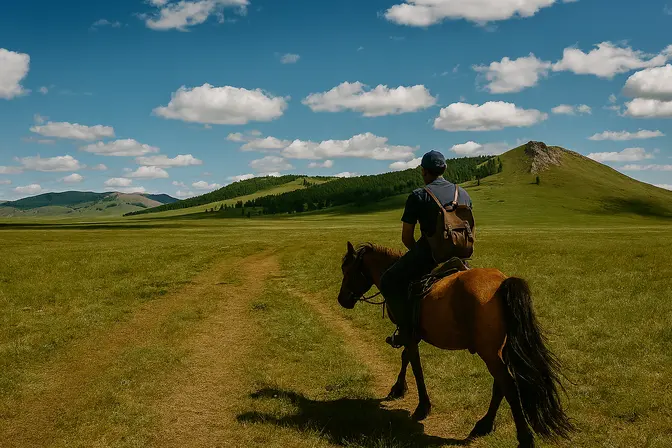
Horseback Riding: Getting Close to the Land
When you ride a horse in Mongolia, you are riding as people have done for centuries. The horses are hardy. They are used to terrain, weather, and endless roaming.
Types of Rides
- Day rides near Ulaanbaatar or in provincial regions. Good if you want taste without exhausting yourself.
- Treks of four to ten days. You move camps, cross rivers, climb hills, ride through pines or open grass, stay with families or camp outdoors.
- Extended expeditions. Two weeks or more. For riders who know their way around mountain or desert terrain and want to push limits.
What to Expect While Riding
You may find the horse is smaller than you expect. You may need to help with saddles, feeding, and grooming. The weather may change suddenly. Nights might be cold. Days might be hot. You must be ready.
Living Among Nomads
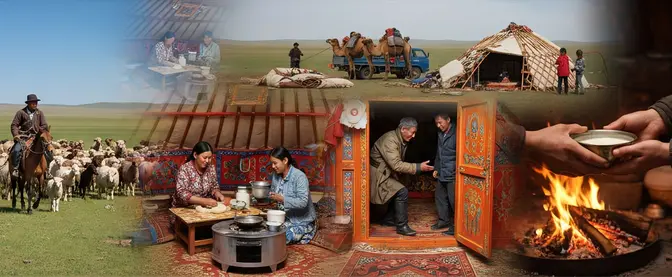
To live with nomadic families is to join routines shaped by animals, weather, land. You will eat what is grown or herded, move when pasture is used up, drink milk fresh, share warmth by fires.
Daily Life
- Herd animals, possibly goats, sheep, camels depending on region
- Help prepare food: dough, milk products, meat, bread in wood ovens
- Maybe move camp: dismantle gers, pack supplies, lead animals to new pasture
Cultural Norms
- Always enter a ger with right foot first
- Do not point feet toward the fire or hearth
- Accept food or drink given; it is a gesture of respect
How to Get Your Mongolia eVisa
Getting your Mongolia eVisa is simple! Just apply for the Mongolia eVisa online through the official portal, submit your documents, pay the fee, and wait for approval via email. It’s a quick, hassle-free way to get ready for your Mongolian adventure.
Steps to Apply
- Find the online Mongolian portal for eVisa
- Fill in your name, passport number, travel dates, and itinerary
- Upload a passport photo and a scanned passport page
- Pay the fee by the accepted payment method
- Wait for approval. Mongolia eVisa Processing Time is typically 3-5 business days
- Print or save the visa, and bring it as part of your travel documents
What Helps Avoid Delays
- Send clear scans and photos
- Make sure the passport has enough validity remaining
- Apply well in advance
Best Time to Visit and Weather Considerations
| Time of Year | What the Weather Is Like | Why Visit Then |
|---|---|---|
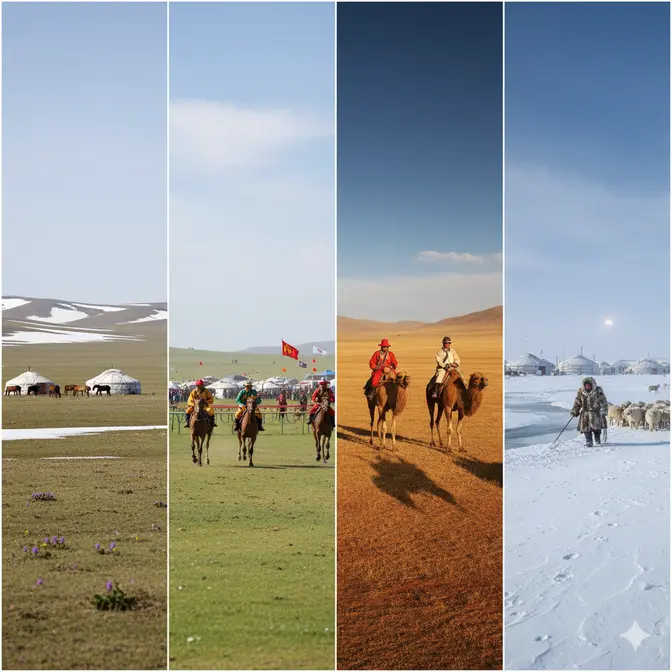
| Spring (April, May) | Cold nights, thawing land, occasional mud | Quiet, early wildflowers, peaceful weeks |
| Summer (June, July, August) | Warm days, cool nights, possible rain | Best time for riding, festivals, full nomadic activity |
| Autumn (September, October) | Crisp air, clear skies, dry land | Great for photos, mild hiking, calmer days |
| Winter (November to March) | Bitter cold, snow, difficult travel | For experienced travelers, winter culture, solitude |
You might time your trip with the Naadam festival which includes horse racing, wrestling, archery. That experience brings culture into sharp relief.
What to Pack and How to Stay Safe
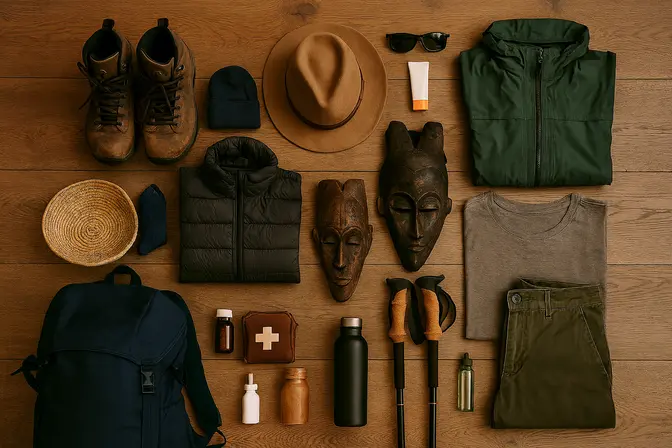
- Layers of clothing: base layers, warm clothes, wind protection, rain gear
- Strong boots that can ride and hike
- Sun hat, sun cream, sunglasses
- Warm night gear even in summer
- Water purification method or supplies
- Basic first aid, medicines
For health: use boiled or bottled water, check vaccinations, rest if altitude or weather strains body. For safety: travel with local guides, tell someone your route, respect local wildlife and terrain.
Sample Two Week Plan
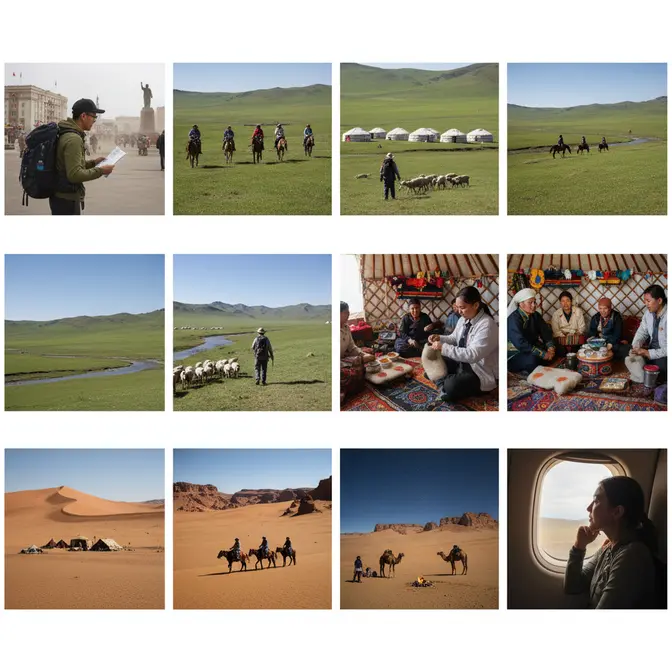
Day 1 arrive in city, rest, pick supplies
Day 2‑3 ride near central region, spend nights in ger
Day 4‑6 trek through hills, rivers, learn herding routines
Day 7 rest, cultural exchange, local crafts
Day 8‑10 move south toward desert, ride through dunes, see canyons
Day 11‑13 desert camps, night skies, meet camel herders
Day 14 return to city, reflect, rest, fly home
What You Might Take Back
After this trip you will have more than memories. You may have:
- New appreciation for simplicity
- Stories of kindness from people whose life is very different yet unexpectedly generous
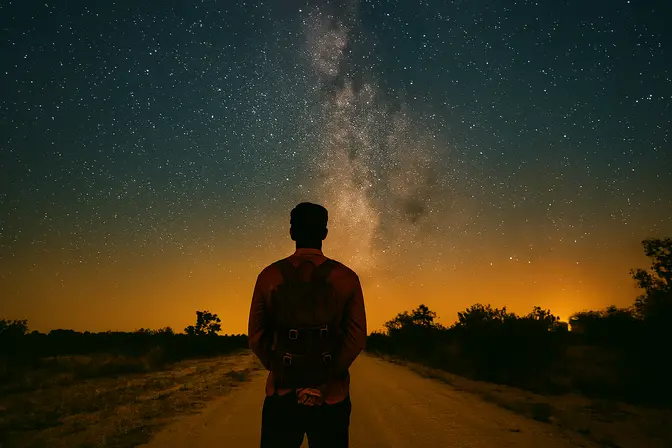
- A sense of how small you are under enormous skies
- A changed way to think about travel, time, and what matters
Tips to Make Writing More “Human”‑Feeling and Reduce Detector Risk
- Let some “imperfections” stay: uneven sentence lengths, occasional informal phrases
- Add personal details or small stories from real experiences or imagined authentic scenes
- Use local terms, place names, specific foods, weather details
- Avoid repeating the same sentence structures or opening lines
- Use contractions, colloquial touches, questions.
Comments