

Living spaces speak volumes about who we are, yet most people underestimate the transformative power of thoughtful furniture placement. Every room tells a story, and the pieces we choose become characters in that narrative. While walls provide the backdrop and lighting sets the mood, it's the furniture that brings life to our personal sanctuaries.
The modern home has evolved beyond traditional concepts of formal living rooms and rigid dining areas. Today's dwellings embrace fluidity, where spaces serve multiple purposes and furniture adapts to our ever-changing needs. This shift has fundamentally altered how we approach interior design, moving away from matched sets toward curated collections that reflect individual personality and lifestyle demands.
Consider the average day in a contemporary household. Morning coffee might be enjoyed while catching up on news, afternoon work sessions blend seamlessly into evening entertainment, and weekend gatherings transform intimate spaces into social hubs. This dynamic lifestyle requires furniture that can gracefully transition between these various functions without compromising style or comfort.
Anchoring Your Social Universe
Every memorable gathering has a focal point, a natural center where conversations flow and connections deepen. This gravitational pull rarely happens by accident – it's carefully orchestrated through strategic furniture placement and thoughtful design choices. The secret lies in creating an invisible stage where life's most precious moments can unfold naturally.
Social spaces thrive on balance between intimacy and openness. Too much distance between seating creates awkward shouting matches, while overcrowding leads to uncomfortable proximity. The sweet spot exists in that carefully calibrated middle ground where people feel both connected and comfortable, where conversations can happen at normal volumes and eye contact feels natural rather than forced.
Lighting plays a crucial role in this delicate dance. Harsh overhead illumination kills ambiance faster than a dropped phone call, while dim lighting strains eyes and dampens energy. The most successful social spaces layer different light sources, creating pockets of warmth that invite people to settle in and stay awhile. Table lamps, floor lighting, and strategically placed candles work together to craft an environment that feels both welcoming and sophisticated.
Mastering Multi-Dimensional Functionality
Modern living demands furniture that works overtime, seamlessly transitioning between different roles throughout the day. The most successful pieces combine form with function so elegantly that their practical benefits feel like happy accidents rather than calculated design decisions. This approach requires thinking beyond traditional categories and embracing innovative solutions.
Coffee tables represent the ultimate example of multi-dimensional functionality in contemporary homes. These versatile pieces serve as dining surfaces for casual meals, work stations for laptop sessions, display platforms for decorative objects, and storage solutions for books, remotes, and everyday essentials. The best designs incorporate hidden compartments, adjustable heights, or modular components that adapt to changing needs throughout the day.
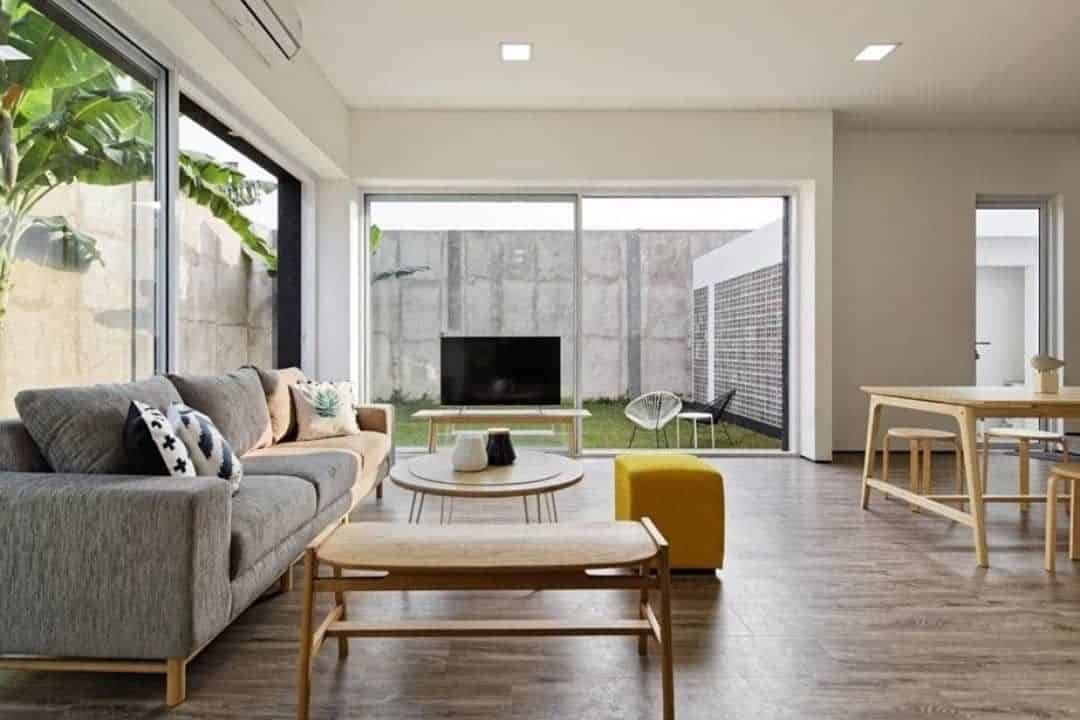
Storage integration has become increasingly sophisticated, moving beyond obvious drawers and cabinets toward creative concealment. Ottoman tops lift to reveal spacious interiors, side panels slide to expose shelving, and surfaces incorporate wireless charging pads for modern devices. These innovations address practical needs while maintaining clean aesthetic lines that don't compromise visual appeal.
The key to successful multi-functional design lies in maintaining primary purpose clarity while adding complementary features. A piece should excel at its main job before attempting secondary functions. This hierarchy ensures that practical additions enhance rather than compromise the original intent, creating furniture that truly improves daily life.
Creating Timeless Appeal Through Strategic Selection
Trends come and go with alarming frequency, but truly exceptional spaces transcend temporary fashions by focusing on enduring principles of good design. The secret lies in understanding the difference between style and substance, investing in pieces that offer both immediate satisfaction and long-term value. This approach requires patience and discernment, but the results speak for themselves.
Quality materials age gracefully, developing character and patina that mass-produced alternatives simply cannot match. Solid wood gains depth and richness over time, genuine leather develops a beautiful worn softness, and well-crafted metal finishes maintain their luster through years of daily use. These natural aging processes actually improve appearance, making quality pieces more beautiful with each passing year.
Proportions matter more than most people realize. A piece might look perfect in a showroom but feel completely wrong in your specific space. Understanding scale relationships, traffic flow patterns, and sight lines helps predict how furniture will actually function in real-world conditions. Taking measurements is just the beginning – successful selection requires visualizing how pieces will interact with existing elements and future additions.
Versatility ensures longevity. The most successful furniture purchases work well in multiple configurations and complement various decorating approaches. This flexibility allows pieces to transition between different rooms, accommodate lifestyle changes, and integrate with future acquisitions. Neutral bases with personality-driven accessories offer the perfect balance between consistency and evolution.
The Art of Intentional Arrangement
Furniture placement shapes how spaces feel and function, yet most people approach arrangement haphazardly, pushing pieces against walls and hoping for the best. Intentional positioning creates conversation zones, defines traffic patterns, and establishes visual hierarchy that guides the eye naturally through a room. This strategic approach transforms random collections into cohesive environments.
Floating furniture away from walls creates more dynamic spatial relationships and opens up surprising possibilities for circulation and interaction. This technique works particularly well in larger rooms where wall-hugging furniture can make spaces feel disconnected and underutilized. Strategic positioning creates intimate groupings while maintaining overall flow and openness.
Layering different heights adds visual interest and prevents monotonous horizontal lines that flatten spatial perception. Combining low seating with taller storage pieces, floor lamps with table lighting, and artwork at varying elevations creates rhythm and movement that keeps eyes engaged. This vertical variation makes rooms feel more dynamic and sophisticated.
Color and texture coordination doesn't require perfect matching – in fact, subtle variations often create more interesting and livable results. Repeating similar tones in different materials or introducing complementary textures in matching colors adds depth without overwhelming the senses. This nuanced approach creates harmony while avoiding the sterile perfection of showroom displays.
Conclusion
Thoughtful furniture selection and arrangement transforms houses into homes, creating spaces that support both daily routines and special occasions with equal grace. The most successful approaches balance practical needs with aesthetic desires, investing in quality pieces that offer both immediate satisfaction and long-term value.
The modern home demands flexibility above all else, requiring furniture that adapts to changing needs while maintaining consistent style and comfort. This evolution toward multi-functional design reflects broader lifestyle changes, where traditional boundaries between work, entertainment, and relaxation continue to blur.
Strategic placement creates invisible architecture that guides interaction and defines experience within our living spaces. Understanding these principles empowers homeowners to make informed decisions that enhance daily life while creating environments that truly reflect personal style and values.
Quality investment pays dividends over time, both in durability and in the intangible satisfaction that comes from surrounding ourselves with beautiful, functional objects. The goal isn't perfection but rather the creation of spaces that feel authentically personal and genuinely welcoming to both residents and guests alike.