

Long treasured across the Pacific, kava is gaining modern recognition for its calming effects, cultural significance, and therapeutic potential.
By yourNEWS Media Newsroom
Kava, scientifically known as Piper methysticum, has been a vital part of Pacific Island cultures for more than 3,000 years. Traditionally grown in Vanuatu, Fiji, Samoa, and Hawaii, the plant plays an enduring role in social, spiritual, and medicinal life, valued for its ability to foster communication, resolve conflicts, and support community well-being.
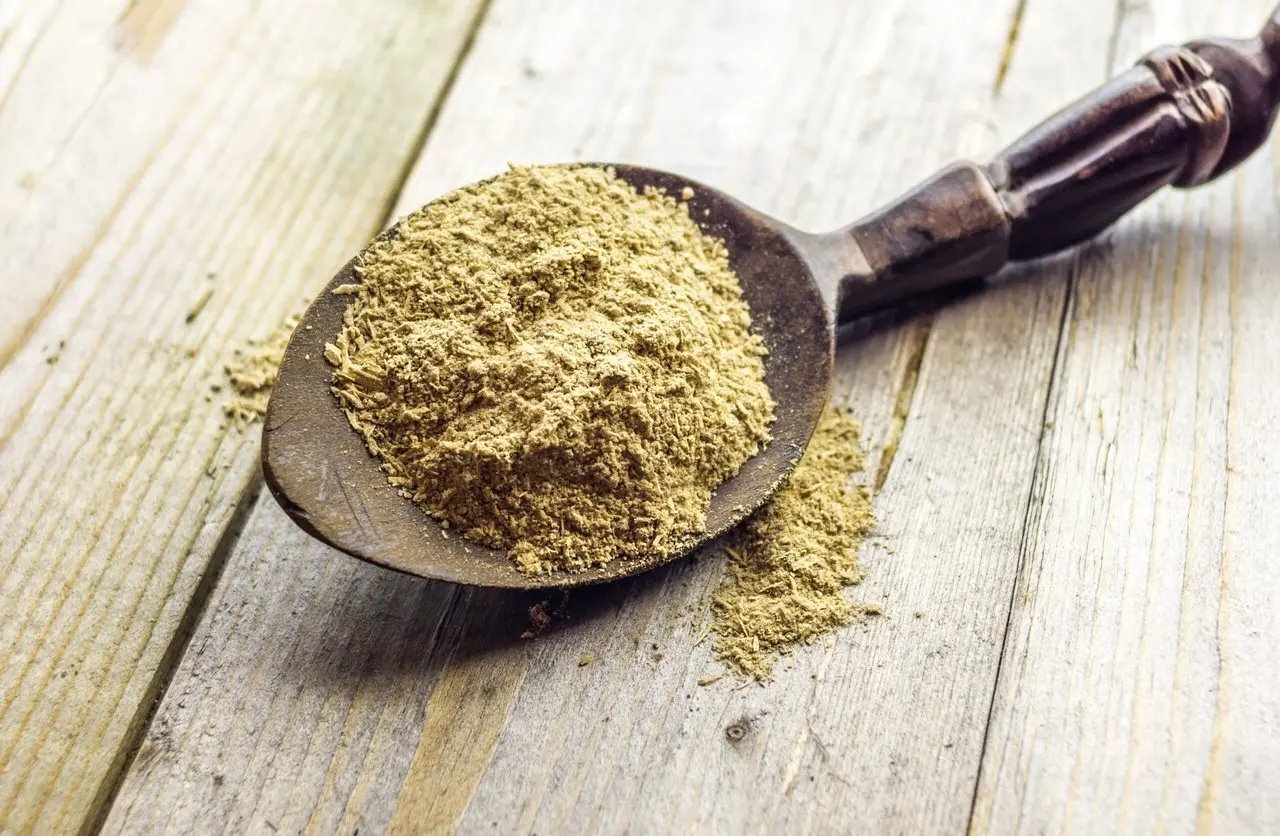
A member of the pepper family, kava is recognized by its heart-shaped leaves and thick root system. The roots, rich in active compounds called kavalactones—including kawain, dihydrokavain, methysticin, and yangonin—are ground into powder and mixed with water to create a thick, slightly numbing beverage. These compounds have been linked to anxiety reduction, muscle relaxation, and mild pain relief.
Modern research has confirmed what Pacific Islanders have long known: kava’s calming effects can aid in managing anxiety, easing insomnia, and relieving muscle tension. A meta-analysis published in the Journal of Clinical Psychopharmacology found that kava extract significantly lowered anxiety levels in adults with generalized anxiety disorder. However, experts caution that excessive or poor-quality kava products have been associated with liver toxicity, emphasizing the importance of using only standardized, high-quality extracts under professional guidance.
Beyond its medicinal properties, kava remains deeply woven into Pacific Island traditions. Communal gatherings often feature kava ceremonies, where participants share stories, resolve disputes, and strengthen social bonds. In Vanuatu, a young man once credited a village kava gathering for giving him the courage to voice concerns during a community meeting, leading to peaceful resolution—an example of how kava empowers open dialogue.
Kava’s sensory profile is distinct. The prepared beverage has a thick, milky appearance and a pronounced bitter flavor, with a numbing effect on the lips and tongue considered part of the traditional experience.
As global interest in natural health remedies grows, kava has found new uses beyond traditional ceremonies. It now appears in wellness recipes such as smoothie bowls, calming herbal teas, meditation drinks, bath soaks, and massage oils. Culinary uses range from kava-infused tropical smoothies to teas blended with chamomile and lavender, offering a natural option for relaxation.
However, responsible use remains critical. Experts recommend consulting qualified health practitioners before using kava regularly, particularly given concerns about potential liver toxicity associated with inferior products.
Kava’s journey from Pacific Island villages to global wellness centers highlights its enduring appeal. As researchers continue exploring its therapeutic potential, the traditional plant stands as a powerful reminder of nature’s ability to soothe and heal—rooted in centuries of cultural wisdom and modern scientific discovery.
This article is not medical advice and is not intended to diagnose, treat, or cure any disease. Readers should consult qualified healthcare providers for personalized recommendations.
For more information on the healing power of natural foods and remedies, visit NaturalNews.com. To explore innovative AI-driven health insights, visit Brighteon.ai, or join free-speech wellness discussions at Brighteon.com, Brighteon.IO, and Brighteon.social.
Watch this video on the many ways kava can help calm the body and mind.
This video is from the East West Herbal Apothecary channel on Brighteon.com.