


Every tattoo tells a story—but beneath the ink lies a more surprising narrative: a microscopic battle involving your immune system, responding to the art you chose to wear for life.
The Hidden War Beneath the Skin
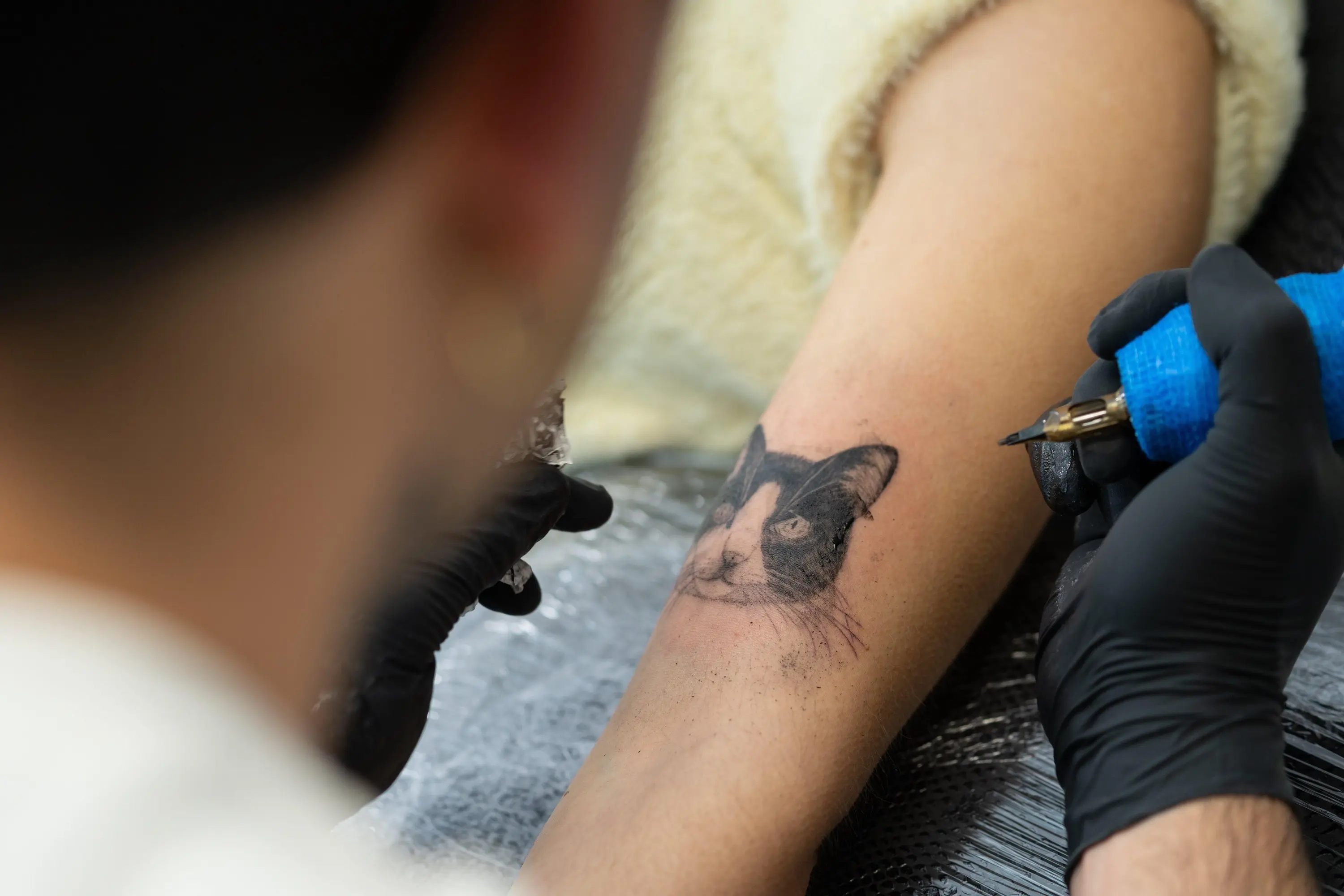
Getting a tattoo isn’t just a cosmetic decision. It’s a controlled injury that prompts a rapid immune response. As the needle penetrates the skin thousands of times per minute, it bypasses the dead surface layer and delivers ink into the dermis, where living cells, blood vessels, and immune defenders reside.
This trauma activates macrophages—immune cells tasked with cleaning up damage and fighting off invaders. But there's a twist: tattoo ink isn’t easily broken down. Many pigments contain stable compounds, including heavy metals like lead, nickel, and chromium (depending on the ink brand and regulatory oversight).
Your immune cells try everything—chemical breakdowns, acid release—but when the ink doesn’t budge, they engulf the particles and freeze, holding them in place.
Why Tattoos Stay Forever (Mostly)
These “ink-trapped” immune cells create the permanence we associate with tattoos. But macrophages don’t live forever. As old ones die, new ones take their place, re-engulfing the ink. Over time, this cycle can shift ink particles slightly, leading to gradual blurring or fading.
In some cases, especially with older or lower-quality inks, fragments may escape into the bloodstream or lymph nodes. A 2017 study published in Scientific Reports found ink nanoparticles in lymphatic tissues of tattooed individuals, raising questions about long-term effects.
Tattoo Risks: How Real Are They?
Tattooing is generally safe when done professionally. However, risks exist—especially if inks contain unregulated or toxic components. The European Union has banned or restricted over 4,000 chemicals in tattoo inks, citing health concerns. In contrast, the U.S. Food and Drug Administration (FDA) does not currently approve tattoo inks before they reach the market, although it has regulatory authority.
The body’s effort to contain ink highlights how your immune system is constantly managing this foreign material. And while rare, some individuals experience allergic reactions or develop immune-related complications.
Laser tattoo removal presents a separate challenge: breaking ink into smaller fragments forces the immune system to process even more material, increasing the load on lymph nodes and other organs.
From Immune Battle to Skin Art: Making Informed Choices
Understanding what’s happening under your skin can help you make safer choices:
- Choose licensed tattoo artists who use sterile techniques and approved inks.
- Ask about ink brands and opt for pigment lines with transparent ingredient lists.
- Support your immune system through good nutrition and hydration.
- Consult a dermatologist if you have autoimmune conditions, allergies, or concerns about ink ingredients.
- Research removal methods if you’re considering laser treatment—multiple sessions will place extra demand on your immune response.
Tip: Some studios offer patch tests for new inks, especially if you have sensitive skin.
Final Thought: Your Body's Loyalty Is Inked In
Your tattoo isn’t just artwork—it’s an ongoing collaboration between your immune system and chemistry. Behind every line and shade is a battalion of immune cells keeping the ink stable and your body safe.
So next time you admire your ink, remember: it lives because your immune system lets it.
Think beyond the art. Choose wisely. Tattoo smart!