

The natural wilderness in the state of Washington, USA, stands as an invaluable treasure trove of biodiversity, offering a splendid haven for nature enthusiasts. From cool, dense forests to pristine lakes, Washington boasts a rich ecosystem that captivates a diverse array of fauna and flora, creating a spectacular natural landscape.
One of the unique aspects of Washington is the diversity of its habitats. From towering mountain ranges like Rainier and Olympic, perennially snow-capped and hosting fauna adapted to frigid climates, to the Pacific coastline, Washington provides an ideal habitat for various species of marine and terrestrial life. The Rainier and Olympic Mountains, with their peaks exceeding 14,000 feet, not only form breathtaking panoramas but also serve as habitats for wildlife along the North Pacific coast.

Iconic Large Mammals
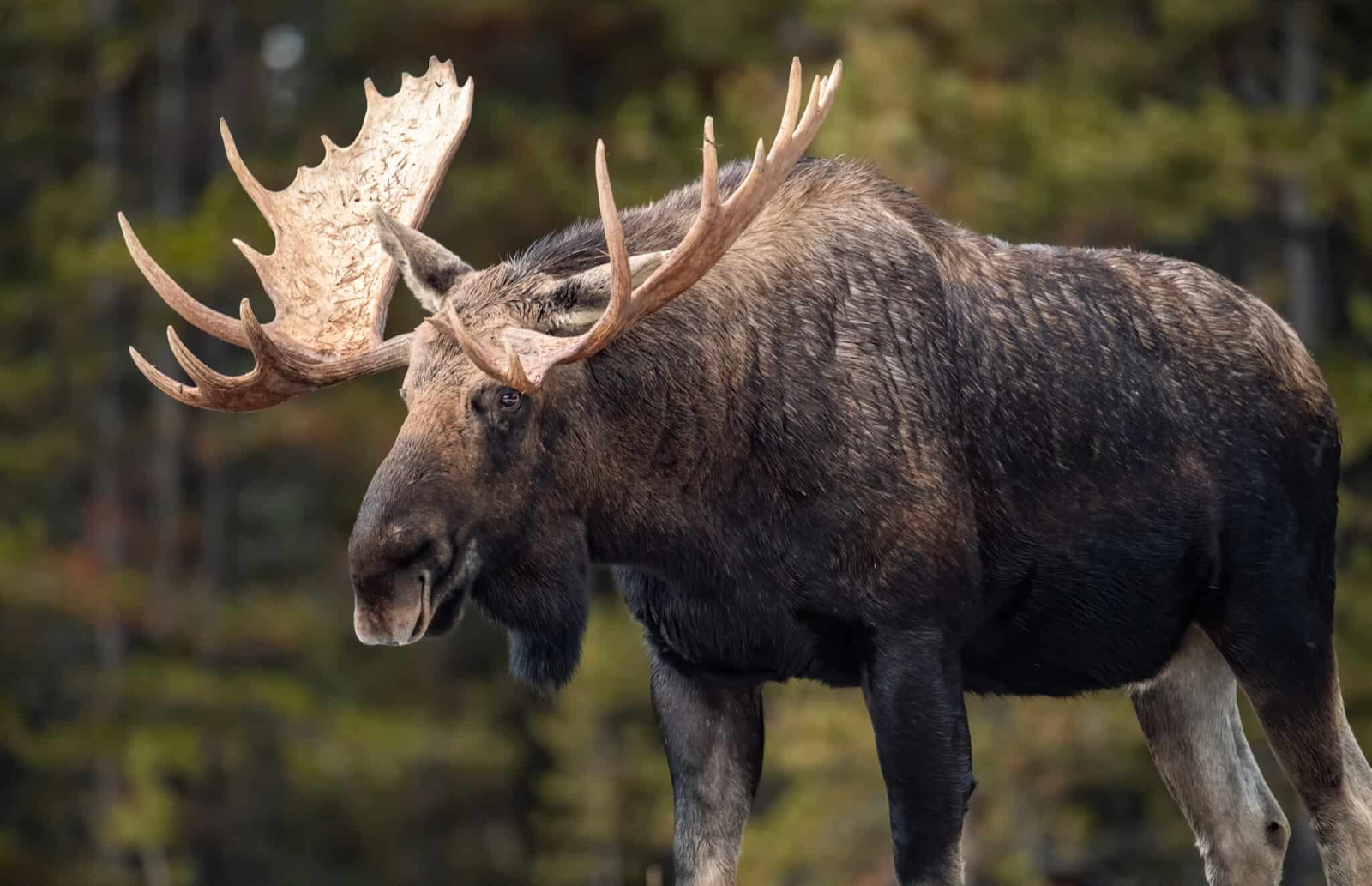
Some of the most iconic large mammals found in Washington include species like the Roosevelt elk, the black-tailed deer, the Rocky Mountain elk, the mountain goat, the moose, the gray wolf, the grizzly bear, and the American black bear.
Herds of Roosevelt elk, a rainforest-dwelling subspecies, roam the wet forests along the Pacific Coast and in the interior rainforests of the Olympic Peninsula. Healthy populations of black-tailed deer inhabit forests and woodlands statewide. Rocky Mountain elk are found broadly in forest and on both sides of the Cascade Mountains.
Mountain goats cling to steep, rocky cliffs and outcrops at high elevations in the Cascades and along coastal bluffs. Moose are found broadly in areas like the northeast corner habitat types. Wolves and grizzlies primarily live in the remote wilderness of northeast Washington, though their ranges are expanding. And black bears are the state's most widespread bear species, inhabiting most forested areas below the treeline.
Marine Mammals
Washington's Pacific coastline is an optimal environment for a plethora of wildlife, from whales to seals. Areas such as Puget Sound and the Strait of Juan de Fuca are primary feeding grounds for whales, including the majestic Orca, Gray Whales, and Humpback Whales.
Major haul outs and rookeries for species like Steller sea lions and harbor seals can be found along remote stretches of shoreline. Sea otters have recently recolonized parts of Puget Sound as well after local extinction. And shoreline parks and whale watching tours provide easy sightings of humpbacks, orcas, and other incredible marine wildlife.

Coastal and Wetland Birds
Washington's coast and wetlands are critically important habitats for migratory waterfowl and shorebirds. Its tidal flats, estuaries, coastal lagoons, marshes, flooded fields, and inland lakes and rivers support millions of birds along the Pacific Flyway each year.
The diverse bird population ranges from migratory species like the Black Swift to familiar ones such as eagles and seagulls. The state's lakes, rivers, and estuaries provide an ideal habitat for numerous waterfowl, including herons, flamingos, and various species of ducks. And certain sites host over 1 million birds at peak migration each year.

Raptors
Cliffs, open forests and shrublands statewide provide ideal habitat for a diversity of breeding and migrating birds of prey like eagles, hawks, falcons, owls, osprey, turkey vultures, and others.
Iconic raptors like the bald eagle and peregrine falcon have recovered strongly in Washington and now inhabit habitats across the state in good numbers for breeding, hunting and overwintering. And seasonal migrations of species like Swainson's hawks, northern harriers and snowy owls pass through open habitats statewide in spectacular numbers.

Forest Birds
Washington's extensive coniferous forests support species of birds specially adapted to evergreen forest habitats. Resident forest-dwellers like Steller's jays, ravens, grouse species, woodpeckers, nuthatches, kinglets, and others inhabit forests year-round across much of the state.
Meanwhile, neotropical migrants like warblers, vireos, flycatchers, grosbeaks, tanagers and others migrate huge distances to breed in Washington each spring and summer before returning south. Together with forest-dwelling raptors, waterfowl, game birds and others, forests statewide support an abundant diversity of birds.

Sagebrush and Shrub-Steppe Species
While forests dominate western Washington, drier habitats like sagebrush and shrub-steppe dominate much of central and eastern Washington. Iconic residents here include the greater sage grouse, once found in huge numbers performing its elaborate mating rituals on communal breeding grounds or leks in spring.
Other specialty birds of shrub and grasslands here include Loggerhead shrikes, burrowing owls, ferruginous hawks, short-eared owls, sage thrashers and Brewer's sparrows. Healthy sagebrush ecosystems also support abundant reptiles and mammals like the pygmy rabbit and Wasington ground squirrel.

Subalpine Parkland Species
Higher elevations in mountains like the North Cascades and Olympics host lush subalpine meadows and parklands peppered with wildflowers each summer. These habitats support abundant marmots, pikas, and bird species like rosy finches and American pipits. Many species descend to lower elevations for winter while some tough residents like hoary marmots withstand the extreme cold and snow depths these environments hold.
Washington has an official state animal—the Olympic Marmot. Designated in 2009, the Olympic Marmot, found in the Olympic Peninsula, symbolizes the state's commitment to wildlife conservation. This charming rodent, with its distinctive features and endemic nature, has become an icon representing the unique fauna of Washington.

Salmon and Coldwater Fish
Many clear, cold rivers, streams and lakes statewide host robust populations of salmon, trout and char. Iconic species like chinook salmon, bull trout and steelhead require pristine coldwater streams and healthy habitat connectivity from headwaters to estuaries to complete their complex life histories.
Populations of species like sockeye salmon and kokanee thrive in large inland lakes statewide. And Washington's hatchery system supplements dwindling populations of some species for sport and commercial fisheries. Protecting water quality and habitat connectivity helps conserve fragile native fish and ecosystems.

Amidst the richness of Washington's wildlife, there are also concerns about endangered species. Several animals in the state face threats to their survival. The Washington Department of Fish and Wildlife, along with various conservation groups, is actively involved in initiatives to protect endangered species. Notable endangered species include the Northern Spotted Owl, the Oregon Silverspot Butterfly, and the Columbia Basin Pygmy Rabbit, all of which are under constant monitoring and conservation efforts to ensure their survival.

In conclusion, Washington's natural wilderness is an enticing destination for those eager to explore and revel in the unique natural beauty it has to offer. From mountainous terrains to coastal expanses, Washington provides a range of habitats for diverse wildlife, forming a rich and varied ecosystem. Simultaneously, community conservation efforts and preservation organizations play crucial roles in maintaining the delicate balance of Washington's natural environment.
Watch more: