



What separates an influencer campaign that generates meaningful business results from one that simply collects likes? The answer is rarely follower count alone. Successful collaborations begin with a clear understanding of the campaign objective, target audience, brand identity, and the creator's ability to communicate naturally. Influencer selection is therefore not about choosing the most popular person online; it is about identifying the most relevant partner for a specific marketing purpose. Brands that evaluate creators thoughtfully can reduce wasted spending, protect brand credibility, and create content that feels trustworthy rather than forced. The strongest campaigns treat creators as strategic partners whose audience relationships carry real value.
What Makes a Creator the Right Fit?
A creator can produce visually impressive content and still be completely unsuitable for a campaign. The first consideration should always be relevance. Does the creator speak to the people the brand genuinely wants to reach?
Audience demographics, interests, location, purchasing behaviour, and content preferences all matter. A skincare company targeting working professionals, for example, may gain little from partnering with a lifestyle creator whose audience consists primarily of teenagers.
Industry guidance increasingly emphasizes relevance over raw reach. A smaller creator with a highly engaged and relevant community can often provide more meaningful campaign value than a larger account with limited audience alignment.
Brand fit also extends beyond demographics. Content tone, personal values, storytelling style, and reputation should align naturally with the campaign. When a partnership appears unexpected or overly transactional, audiences notice quickly.
How Should Brands Evaluate Potential Creators?
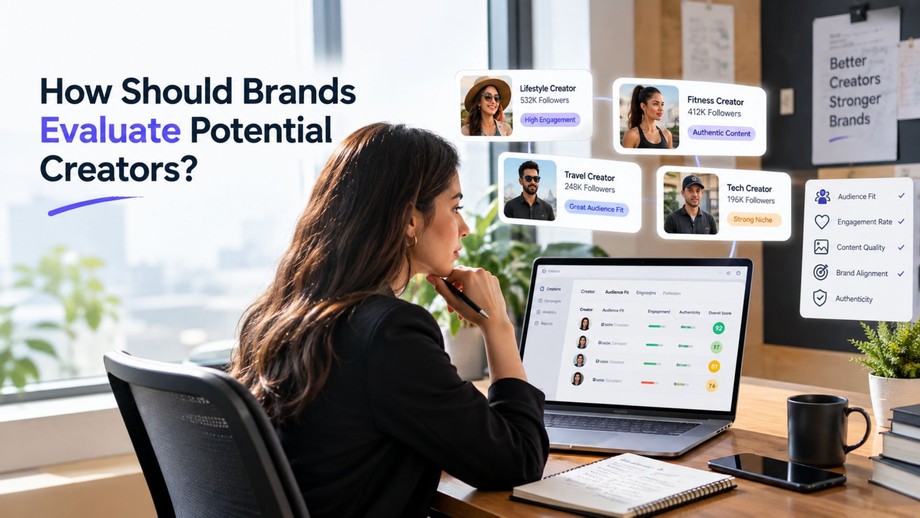
A practical evaluation process should combine quantitative data with human judgment. Metrics provide useful evidence, but they cannot independently explain whether a creator can represent a brand effectively.
Brands should begin by reviewing recent content rather than relying solely on profile summaries. Look at how followers interact with posts. Are comments thoughtful? Do people ask questions, share experiences, or respond to recommendations? Meaningful interaction often reveals more about community trust than a high engagement percentage alone.
Past collaborations also deserve attention. Reviewing sponsored content can show whether the creator integrates products naturally or simply delivers promotional scripts. A strong creator usually understands how to preserve their own voice while meeting campaign requirements.
Historical performance can be useful when available, especially for conversion-focused campaigns. However, brands should avoid assuming that success with one product guarantees success with another. Different audiences, offers, pricing models, and campaign objectives can produce very different outcomes.
A structured scorecard can make decisions more consistent by assessing audience relevance, engagement quality, content strength, brand alignment, professionalism, and previous performance before committing a budget.
What Does It Cost to Choose the Right Influencer?
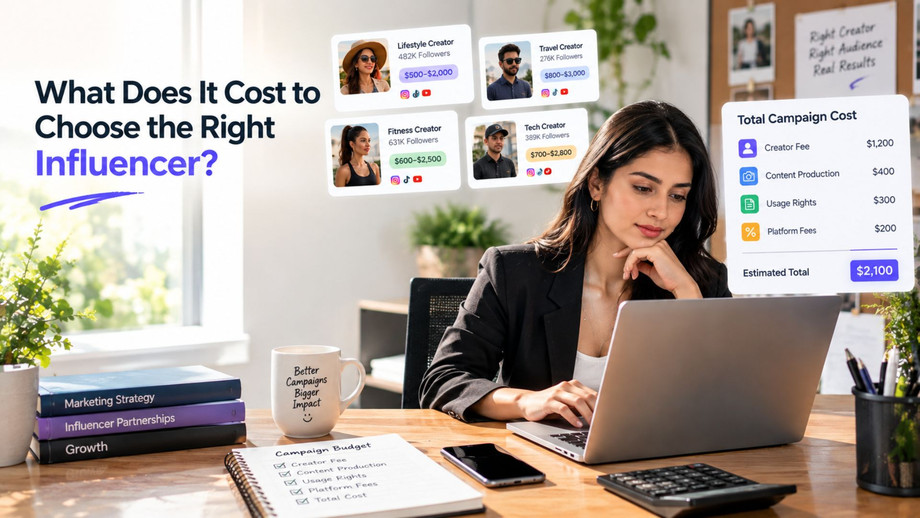
The cost of a campaign depends on much more than a creator's follower count. Platform, niche, content format, exclusivity, usage rights, production requirements, and campaign duration can all influence pricing.
A common mistake is choosing the cheapest creator available or assuming that the most expensive creator will automatically generate the best results. Neither approach evaluates value properly.
Instead, brands should calculate expected value against the campaign objective. For an awareness campaign, reach and qualified impressions may matter most. For a conversion campaign, clicks, affiliate sales, leads, or revenue may become more important.
It is also wise to account for hidden costs. Content revisions, paid usage rights, boosted posts, product shipping, agency fees, and campaign management can significantly affect the total investment.
Testing with a smaller pilot campaign before committing to a long-term partnership can reduce financial risk and provide useful performance data.
You can also watch: Say hello to Creators Ville
Conclusion
Influencer selection becomes far more effective when brands treat it as a strategic decision rather than a popularity contest. The strongest partnerships are built around audience relevance, authentic communication, measurable objectives, realistic budgets, and mutual brand alignment. Instead of chasing the largest possible reach, marketers should focus on evidence that a creator can genuinely influence the right people. Build a clear evaluation framework, compare candidates objectively, and test partnerships where possible. A thoughtful decision made before the campaign begins can save budget and significantly improve the quality of results.
FAQs
What is the most important factor when choosing an influencer?
Audience alignment is often the most important starting point. A creator may have excellent reach, but the partnership can still fail if their followers do not resemble the brand's intended customers. Content relevance, authenticity, engagement quality, and campaign objectives should then support the final decision.
How much should brands spend on an influencer campaign?
There is no universal budget because costs vary based on creator size, platform, content requirements, usage rights, exclusivity, and campaign duration. Brands should begin with a clear objective and evaluate potential return rather than selecting creators purely based on the lowest or highest quoted price.
What is the biggest mistake brands make when working with influencers?
A major mistake is prioritizing follower count before understanding campaign goals and audience needs. This can result in expensive partnerships with impressive visibility but little business impact. Brands should evaluate relevance, trust, content quality, professionalism, and measurable performance before making commitments.