


Fashion brands are no longer posing the question of whether or not sustainability is a worthwhile aspect to consider. Today, brands have shifted focus to addressing the question of “how can it be done well” – which affects everything from yarn and material origins, production, and the choices about the rest of the supply chain that can be impactful for the environment impact a piece has from its origin until consumption. For this reason, sustainable apparel manufacturing has shifted from niche positioning to be an underlying operational necessity demanded by consumer choice at a customer and retail level.
What Eco Friendly Clothing Manufacturers Actually Do Differently
The difference between conventional and eco friendly clothing manufacturers shows up across the production chain rather than in one single decision. Fabric selection is the most visible starting point — organic cotton grown without synthetic pesticides, recycled polyester diverted from plastic waste streams, bamboo and Tencel fibres from managed renewable sources. These materials carry different environmental profiles from their conventional equivalents and that difference runs through everything downstream.
Water and energy consumption in the production facility itself represent the third major variable. Closed-loop water systems, solar energy investment, and energy-efficient machinery reduce the operational environmental footprint of sustainable garment manufacturing in ways that fabric certification alone doesn't address.
High Quality Sustainable Clothing — Why the Two Aren't in Conflict
The widespread perception that sustainability involves a trade-off against quality persists.In practice the opposite tends to be true — high quality sustainable clothing is produced by manufacturers who pay close attention to material specifications, production processes, and quality outcomes at every stage. The discipline required to source certified sustainable materials, maintain environmental production standards, and pass third-party audits is the same discipline that produces consistent garment quality.
Sustainable Clothes Manufacturers — What Certification Actually Confirms
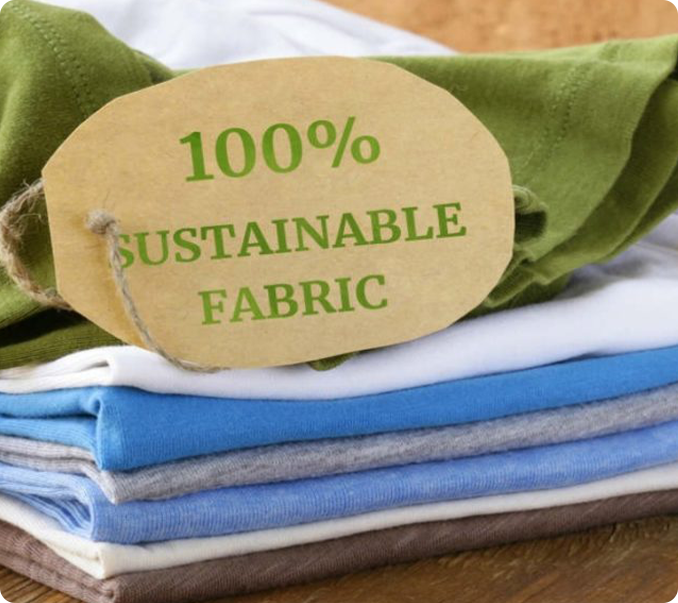
Certification matters because claims without verification are marketing rather than accountability. Sustainable clothes manufacturers operating to GOTS, OEKO-TEX, or Fair Trade standards have had their processes verified by independent third parties rather than self-assessed. The certification covers material sourcing, chemical usage, social compliance, and environmental management — a comprehensive audit rather than a single-issue check.
Sustainable Manufacturing Clothing — What the Supply Chain Needs to Include
Sustainable manufacturing clothing programmes require the sustainability commitment to run through the supply chain rather than stopping at the direct manufacturer. Fabric mills, trim suppliers, and dyeing facilities all contribute to the overall environmental profile of the finished garment. A manufacturer committed to sustainable production manages this supply chain visibility rather than treating it as someone else's responsibility.
Local or regional sourcing reduces transport emissions across the supply chain — a factor that certification frameworks increasingly account for alongside material and production standards.
Silk Style Export Pvt Ltd produces sustainable apparel manufacturing solutions including organic cotton, recycled fabrics, low-impact dyeing, and AZO-free processes — GOTS and OEKO-TEX certified production with ethical labour practices and transparent supply chain management. Full sustainability details at silkstyleexport.com/sustainability/.