


If you've ever ordered an engine part that arrived and simply didn't fit, you'll know how expensive a five-minute mistake can be a wasted delivery charge, a machine or vessel sitting idle, and a second order placed under time pressure. It's a problem we see constantly with FPT industrial engine parts, largely because the same engine family has been built in dozens of configurations across marine, agricultural, construction, and generator applications over the years.
This guide walks through exactly what to check before you place an order, so you get the right part first time.
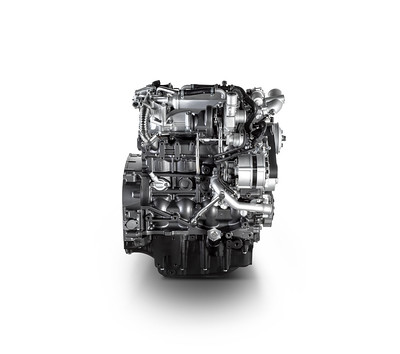
Why FPT engine parts ordering goes wrong so often
FPT Industrial has a long history under different naming conventions. Many buyers still search for parts under fiat industrial engines, reflecting the brand's roots as part of the Fiat Group before it became the standalone Iveco Group powertrain division it is today. That naming history matters practically, not just historically older documentation, dealer records, and even physical parts casting can still reference Fiat-branded model codes, which can cause confusion when cross-referencing against current fpt engines catalogues.
Add to that the sheer breadth of the range FPT engines span from small displacement units through to the flagship 16-litre marine and off-highway blocks and it becomes clear why a serial number, not a general model name, has to be your starting point.
Step 1: Identify your exact engine, not just the family
"Cursor 9" or "N67" tells a parts supplier the engine family, not the exact build. Two engines from the same family can have different injector types, aftertreatment configurations, or ancillary mountings depending on the model year, emissions standard (Tier 4 Final vs Stage V), and the OEM the engine was originally supplied to.
Before ordering anything, locate:
- The engine serial number, usually stamped on the block near the injection pump or on a dedicated ID plate
- The full model/type code, not just the family name
- The application the engine was originally built for (marine, agricultural, construction, generator set), since parts numbering can differ by application even within the same engine family
If any of this information is missing or worn away, a reputable supplier should be able to help identify the engine from photos of the block and plate but it will always be faster, and safer, if you have it to hand.
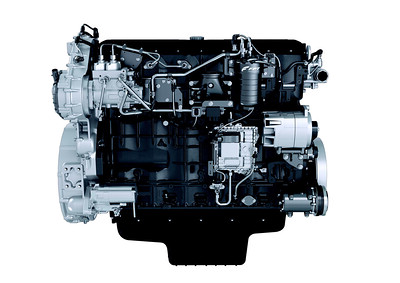
Step 2: Cross-reference against the correct parts catalogue
This is the step most commonly skipped, and it's the single biggest source of ordering errors. Model names alone aren't reliable enough to guarantee a correct match, particularly across regions where parts numbering has changed over time.
The most reliable way to confirm a part number is to cross-check it against the official iveco engine parts catalogue, using your engine's serial number rather than assuming a name match is enough. For FPT-specific ranges, some parts are also listed under the wider iveco spare parts catalogue, since FPT Industrial operates as the powertrain division of Iveco Group and shares parts infrastructure across several of its lines.
If a supplier can't confirm a part against catalogue data using your serial number, treat that as a warning sign rather than a shortcut.
Step 3: Confirm OEM vs aftermarket, and understand what you're actually buying
Not every part sold as "FPT compatible" is identical in quality, tolerance, or warranty coverage. Broadly:
| Part type | What it means | Typical trade-off |
|---|---|---|
| Genuine OEM | Manufactured to FPT's original specification, sold through authorised channels | Highest cost, most reliable fit and warranty support |
| OEM-equivalent aftermarket | Made to match OEM spec by an established third-party manufacturer | Often close in quality, usually cheaper, warranty varies by brand |
| Generic aftermarket | Fits the application but not built to original tolerances | Lowest cost, higher risk of premature wear or fitment issues |
For safety-critical or high-load components injectors, turbochargers, aftertreatment parts the cost difference between OEM and generic aftermarket is usually small relative to the cost of downtime if the part fails early. For lower-risk consumables, a well-reviewed aftermarket equivalent is often a reasonable choice. When in doubt, ask your supplier directly which category a specific part falls into; a trustworthy supplier will tell you plainly rather than blur the distinction.
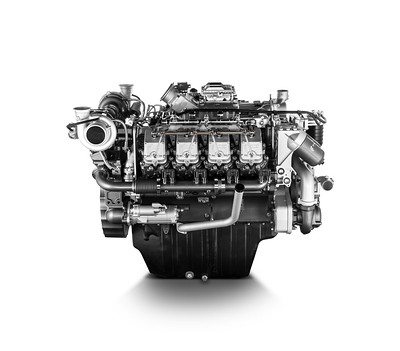
Step 4: Check emissions and aftertreatment compatibility
If your engine is Stage V or Tier 4 Final compliant, aftertreatment components (DPF, SCR systems, sensors) are tightly matched to the specific engine calibration. Fitting a part designed for a different emissions tier, even within the same engine family, can trigger fault codes or affect compliance. Always confirm the emissions standard your engine was built to before ordering anything related to the exhaust or aftertreatment system.
Step 5: Factor in lead time and application downtime
Marine and off-highway applications in particular often can't tolerate long waits for parts. Before ordering:
Ask for realistic lead times, not just stock availability at time of enquiry
Check whether the supplier holds genuinely matched parts for your engine's application, or is sourcing on request
For critical spares, consider holding key wear items in advance rather than ordering reactively
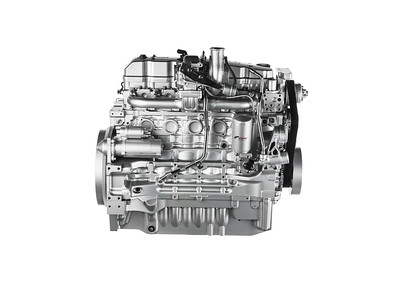
A quick pre-order checklist
Before you place an order for FPT or Iveco engine parts, make sure you have:
- Engine serial number and full model/type code
- Confirmation of the original application (marine, agri, construction, generator)
- Emissions standard the engine was built to
- Part number cross-referenced against the parts catalogue, not assumed from the model name
- Clarity on whether the part is genuine OEM, OEM-equivalent, or generic aftermarket
- A realistic lead time confirmed before you commit
Please note: part compatibility and specifications should always be verified against your engine's serial number and the official FPT/Iveco parts catalogue before ordering, as configurations vary by model year, region, and application.