


In Waupaca, the typical cost of closed-cell spray foam in Waupaca ranges from $1.30 to $2.10 per board foot in 2026. This price range represents the regional standard for high-density insulation materials during the current building season. Property owners choose this option for its superior moisture protection and thermal resistance.
Planning your building upgrades requires a clear view of these material expenses. When you prepare a budget, knowing these regional figures helps prevent unexpected overruns. Understanding the cost of closed-cell spray foam in Waupaca helps property owners make informed decisions and plan insulation projects with confidence.
This guide covers the essential aspects of your upcoming installation:
- Expected cost ranges from $1.30 to $2.10 per board foot
- Performance details for cold Wisconsin winters
- Major regional price factors for 2026
What Determines Closed-Cell Spray Foam Rates in Waupaca
A board foot measures twelve inches by twelve inches by one inch of thickness. When contractors calculate your project cost, they use this volume measurement to determine the material quantity needed. Several local elements influence the actual board-foot pricing you will receive from regional installers.
The scale of your project directly affects the final price per unit. Larger jobs often benefit from volume discounts, while smaller spaces carry higher unit prices. Here are the primary factors that shape local prices:
- Total surface area needing application
- Accessibility of the walls, attic, or crawl space
- Seasonal demand during the busy Wisconsin summer and fall months
- Current cost of raw polyurethane materials on the global market
Market data indicates that raw material shifts can alter local pricing by up to fifteen percent annually. In Waupaca, winter weather often limits outdoor applications, making late spring and summer the busiest times for contractors. Booking during off-peak times can sometimes result in better rates.
Bonus Tip: Ask your installer if they offer discounts for scheduling your job during the late winter or early spring seasons when demand is historically lower.
Cost Differences Based on Insulation Thickness and Area
Thickness is a major factor in determining your overall project expense. Closed-cell foam provides an R-value of roughly R-7 per inch of thickness, which is ideal for northern climates. To help you budget, local installers offer different closed-cell rates depending on the depth of the application.
Understanding the typical closed-cell spray foam insulation cost per board foot in 2026 allows you to make precise calculations. For instance, a two-inch application delivers an R-14 rating, which is common for residential exterior walls. If you require a three-inch application for a cold roof design, your material needs will increase proportionally. Below is a breakdown of estimated costs per square foot based on thickness.

These figures represent average estimates for the Waupaca region in 2026. The shape of your structure can also influence the labor time required to achieve a uniform thickness. Complex framing with many corners requires more careful application, which can increase the overall cost.
These thickness options provide varying performance benefits:
- One inch provides basic condensation control
- Two inches meets residential wall guidelines
- Three inches is standard for unvented attics
Factors to Evaluate Before Starting Your Waupaca Insulation Project
Before finalizing any home improvement plans, you must evaluate several physical aspects of your property. The condition of your existing structure can alter the preparation work needed before the foam is applied. Failing to address these issues beforehand can lead to poor adhesion or uneven coverage.
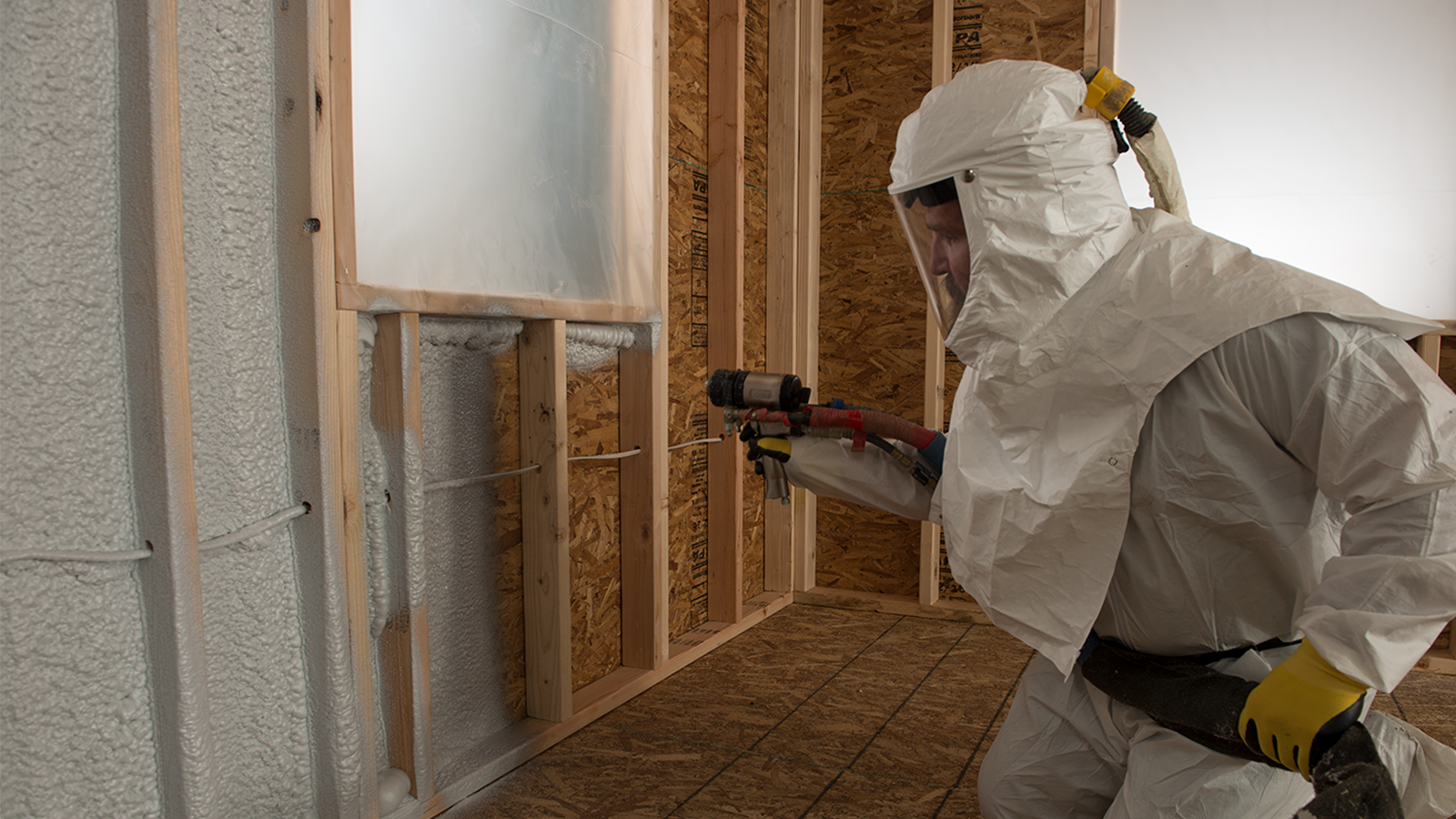
Selecting a high-quality material is only part of the process. You must also ensure your building is ready for the application team. Keep these items in mind:
- Presence of old insulation that requires removal and disposal
- Moisture levels in the wood framing, which must be below nineteen percent
- Electrical wiring configurations that need protection during spraying
- Ventilation needs for the application crew and occupants during the curing process
When scheduling your project, remember that closed-cell foam requires specific ambient temperatures to cure correctly. Professional crews use specialized heating equipment if the outdoor temperature drops below freezing. This extra equipment can add to the final closed-cell spray foam insulation cost per board foot in 2026 for winter projects.
Why Wisconsin Weather Demands Proper Insulation Density
Waupaca experiences extreme seasonal temperature swings, from humid summers to sub-zero winters. These climate extremes demand an insulation material that acts as both a thermal barrier and a vapor retarder. Closed-cell foam is highly effective in this region because of its dense, solid structure.
Unlike open-cell alternatives, closed-cell material does not allow water to pass through easily. This characteristic protects your home from mold growth and wood rot during damp spring months. Here are the key performance benefits for local homes:
- High density adds structural strength to wall framing
- Serves as a built-in vapor barrier to block moisture migration
- Prevents ice dams on roofs by keeping attics at a consistent temperature
- Blocks drafts by sealing tiny cracks and gaps in the building envelope
Regional building codes in Wisconsin often require specific thermal performance levels for new builds. Meeting these standards with traditional materials can take up valuable space in your walls. Using dense foam allows you to achieve the necessary thermal resistance with a thinner profile.
Bonus Tip: Ensure your contractor provides a detailed yield sheet after the job is done to verify that the correct density was achieved throughout your walls.
How to Acquire an Accurate Local Pricing Estimate
Getting a precise estimate requires more than just a quick phone conversation. Every building has unique physical traits that an estimator must see in person. Requesting an on-site insulation quote is the best way to avoid surprise costs during the installation phase.
During an inspection, a specialist will measure your space and check for any potential installation obstacles. They will also assess the existing ventilation and determine if any prep work is necessary. Here is what a professional evaluation should cover:
- Precise measurements of all areas targeted for insulation
- Assessment of framing spacing and depth
- Identification of hard-to-reach areas that require special ladders or scaffolding
- Evaluation of current air leakage points using diagnostic tools
When you compare options, make sure each spray foam estimate for 2026 lists the exact thickness and board footage. This allows you to compare different offers on an equal basis. Be wary of quotes that seem unusually low, as they may indicate a lower density of foam or insufficient thickness.
Investing in professional installation ensures that the material performs as expected for decades. The right choice will lower your monthly utility bills and keep your indoor spaces comfortable year-round. Knowing the expected closed-cell spray foam insulation cost per board foot in 2026 helps you negotiate with confidence.
How Long-Term Energy Savings Offset the Initial Material Investment
While the initial cost of high-density foam is higher than fiberglass or cellulose, the long-term savings are substantial. Homeowners in central Wisconsin often see their heating and cooling costs decrease by thirty to forty percent after upgrading. These savings accumulate over time, allowing the system to pay for itself.
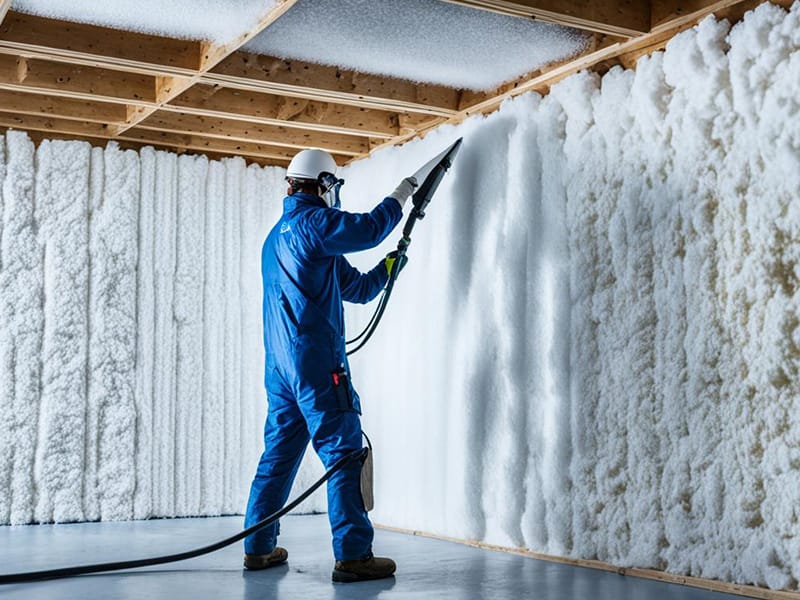
In addition to lower energy bills, this material reduces the load on your heating and cooling equipment. A well-insulated home requires smaller furnaces and air conditioners, which cost less to purchase and maintain. Here are the long-term financial advantages you should consider:
- Reduced wear on furnace and air conditioning systems
- Increased resale value of your residential property
- Fewer draft-related comfort issues in living spaces
- Protection against expensive water damage and mold remediation
These financial benefits make the initial expenditure more manageable when viewed as a long-term investment. By reducing air infiltration, you protect the structural integrity of your home. This protection ensures that your property remains safe and comfortable for many years.
Bonus Tip: Check with local utility companies in Waupaca for energy efficiency rebates that can help offset the cost of your insulation upgrade.
Final Thoughts on Waupaca Insulation Investments
Deciding on the right insulation is an important step in protecting your property from severe Wisconsin weather. While closed-cell foam requires a larger initial budget, its durability and thermal efficiency make it a highly practical option. By securing accurate estimates and planning for seasonal price changes, you can manage your project costs effectively.
Weigh your immediate financial limits against your long-term comfort and energy-saving goals. Consulting with local specialists will help you determine the exact specifications needed for your specific building structure. Taking the time to plan now will ensure a warmer, more efficient home for years to come.
Before finalizing your decision, remember to check:
- Your specific insulation thickness needs
- Seasonal contractor availability in Waupaca
- Long-term utility savings relative to material costs
Connect with Waupaca Insulation Professionals for a Free Quote
If you want to improve your home's thermal performance, reaching out to a local specialist is a great next step. Proseal Spray Foam offers custom solutions for residential properties. You can request a free quote by emailing their team at [email protected] or by checking their location on this Google Map to view their service region. To speak with a representative directly, call (715) 227-6295 today to discuss your upcoming project.
What Questions Do Property Owners Ask About Spray Foam Costs?
Is closed-cell spray foam worth the higher cost compared to open-cell?
Yes, because closed-cell foam has a higher density and provides roughly double the R-value per inch. It also acts as an effective moisture barrier, making it ideal for damp basements and crawl spaces in Wisconsin.
Can you apply closed-cell spray foam during the winter in Waupaca?
Yes, but it requires special equipment. Professionals must heat the raw materials and the application surface to ensure the foam adheres and cures properly, which can slightly increase winter labor costs.
How long does closed-cell spray foam insulation last?
This material is highly durable and can last for the lifetime of the building. It does not sag, shrink, or settle over time like traditional fiberglass batting or blown-in cellulose.
Does spray foam insulation help reduce outdoor noise?
While open-cell foam is generally better for soundproofing, closed-cell foam still provides significant noise reduction. It blocks sound by sealing the gaps and cracks where outdoor noise enters your home.
How does spray foam affect home resale value in Wisconsin?
Homes with high-efficiency insulation often attract more buyers and can command higher selling prices. Buyers appreciate the lower utility costs and the improved indoor comfort that high-quality insulation provides.