


The Critical Role of Testing in Modern Water Production
A bottle of drinking water may appear simple, yet extensive testing often takes place before it reaches consumers. Water quality has become a significant concern for industries, regulators, and customers who expect safe and reliable products. As demand for packaged drinking water continues to grow, maintaining consistent quality standards has become increasingly important. This article explores the role of laboratory facilities in water production, the importance of accurate testing procedures, and how SHREE MADHAV CHEMTECH supports businesses seeking dependable quality control solutions for mineral water operations.
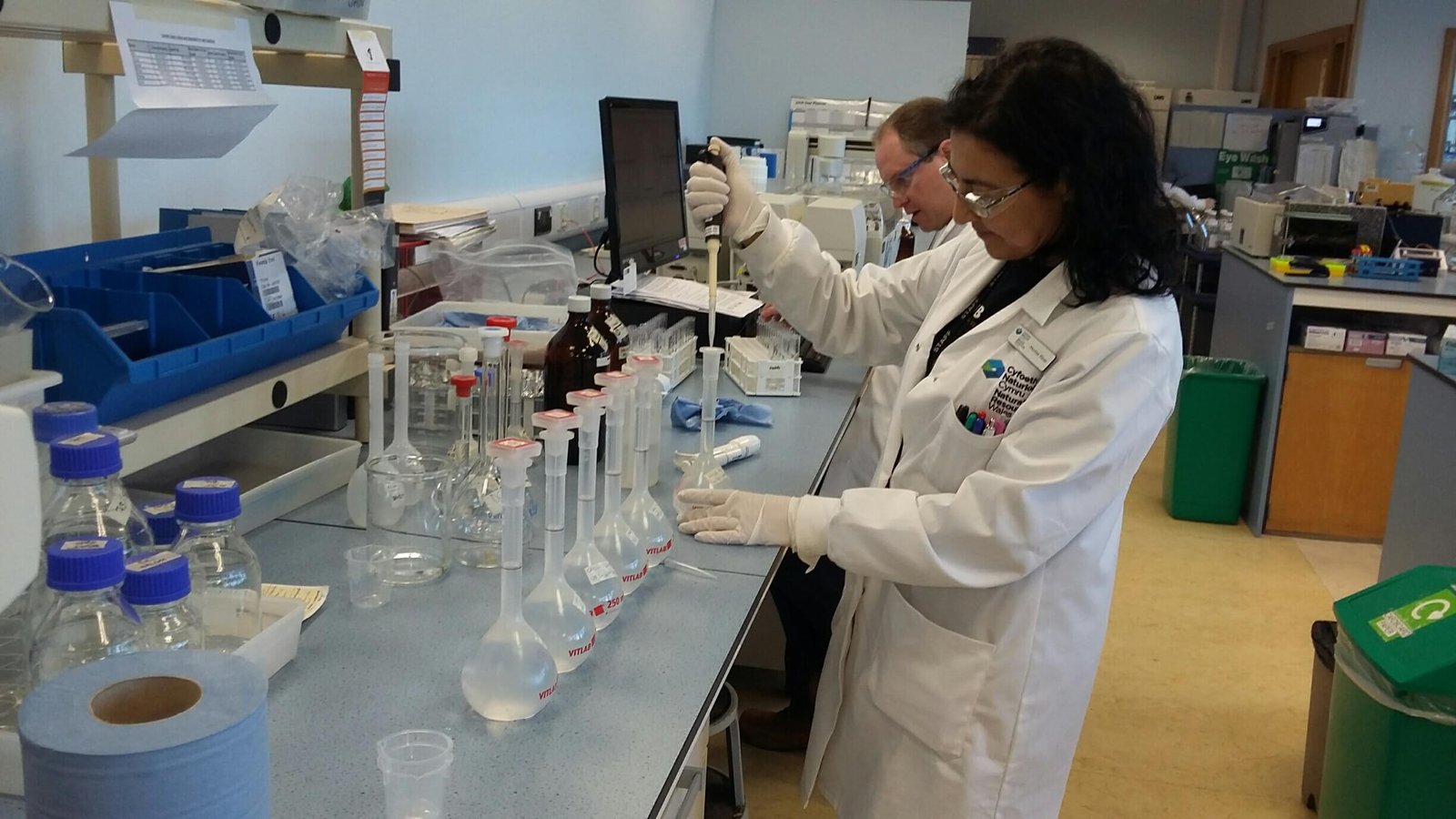
Why Laboratory Facilities Are Essential for Water Quality Control
Water production facilities must ensure that every batch meets required safety and quality standards before distribution. Testing helps identify contaminants, verify chemical composition, and maintain compliance with industry regulations. In the middle of quality assurance processes, a Mineral Water Plant Laboratory serves as an essential component for monitoring water characteristics and supporting product consistency. Reliable laboratory operations help manufacturers detect potential issues early and maintain confidence in their production systems. Effective testing practices contribute significantly to consumer safety and the overall reputation of mineral water producers.
Key Functions of a Modern Water Testing Laboratory
A well-equipped laboratory performs numerous analytical procedures that help verify water quality throughout the production process. Technicians evaluate physical, chemical, and microbiological parameters to ensure products meet established standards. Regular testing supports operational efficiency by identifying variations that may affect product quality. The importance of a Mineral Water Plant Laboratory extends beyond regulatory compliance, as it also contributes to continuous process improvement and long-term reliability. Through accurate measurements and systematic analysis, laboratories provide valuable information that helps maintain consistency across all stages of water production.
Planning an Effective Laboratory Infrastructure
Establishing a laboratory requires careful planning and attention to technical requirements. Equipment selection, workspace design, testing procedures, and staff training all play important roles in creating a productive environment. A successful Mineral Water Plant Laboratory Setup should support efficient workflows while ensuring accurate testing results. Proper infrastructure enables laboratories to perform routine quality checks and respond effectively to changing production demands. Thoughtful planning helps organizations create facilities that align with operational goals and industry expectations while supporting long-term quality assurance initiatives.
Benefits of a Well-Designed Laboratory Setup
A properly organized laboratory can significantly improve operational performance within a water production facility. Effective layouts, reliable equipment, and standardized procedures contribute to greater testing accuracy and efficiency. Businesses investing in a Mineral Water Plant Laboratory Setup often benefit from enhanced quality monitoring capabilities and improved regulatory compliance. A strong laboratory foundation also supports proactive decision-making by providing accurate data that can guide production adjustments when necessary. These advantages help manufacturers maintain consistent product quality while building trust among customers and industry stakeholders.
How SHREE MADHAV CHEMTECH Supports Industry Requirements
As quality standards continue to evolve, businesses increasingly seek specialized expertise to strengthen laboratory operations and testing capabilities. SHREE MADHAV CHEMTECH supports organizations involved in water production by providing solutions designed to meet industry requirements. Access to appropriate laboratory resources and technical guidance helps manufacturers establish effective quality control systems. By focusing on accuracy, reliability, and operational efficiency, the company contributes to improving testing processes across mineral water facilities. This support enables producers to maintain high standards while addressing the growing expectations of consumers and regulatory authorities.
Conclusion: Building Confidence Through Reliable Water Testing
Quality assurance remains a fundamental aspect of successful mineral water production. Accurate laboratory testing helps verify product safety, maintain consistency, and support compliance with industry standards. In the middle of these efforts, the website SHREE MADHAV CHEMTECH serves as a valuable resource for organizations exploring laboratory solutions and quality control strategies. As consumer expectations continue to rise, investment in dependable laboratory infrastructure becomes increasingly important. Strong testing practices not only support operational excellence but also contribute to greater confidence in the quality and safety of packaged drinking water products.