


When it comes to delicate procedures, surgeons rely on instruments that combine precision, control, and durability. Takahashi forceps check all three boxes. These specialized medical forceps have earned a solid reputation across operating rooms worldwide, especially in ENT and neurosurgical settings. Let's break down what makes them so valuable.
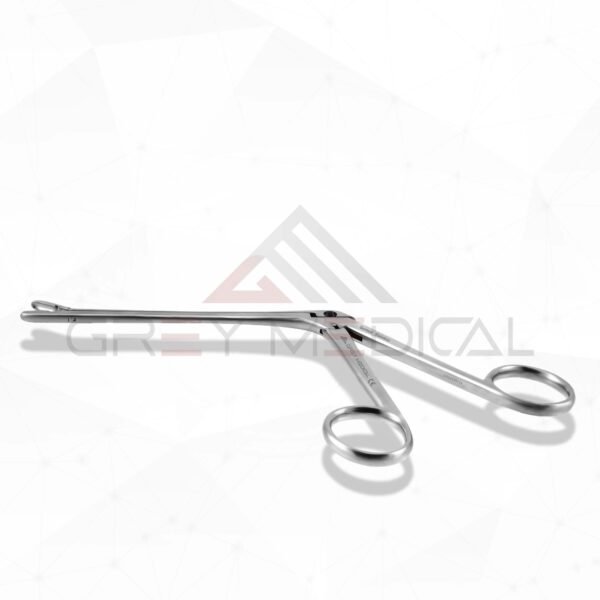
What Are Takahashi Forceps?
Takahashi forceps are surgical instruments designed for grasping, cutting, and removing tissue in tight, hard-to-reach spaces. They feature cup-shaped tips and angled jaws, which give surgeons a clear line of sight and exceptional control during fine work.
You'll often find them in procedures where space is limited and accuracy matters most, like nasal and sinus surgery. Their thoughtful design separates them from standard medical forceps.
Where Are They Used?
These versatile instruments show up in several medical specialties. Here are the most common applications:
- ENT (Ear, Nose, and Throat) procedures: Removing polyps, biopsying tissue, and clearing nasal passages
- Neurosurgery: Handling delicate tissue in confined cranial spaces
- Sinus surgery: Reaching deep sinus cavities with minimal disruption
- Endoscopic procedures: Working alongside scopes for precise tissue management
Because of their reach and grip, Takahashi forceps are a go-to choice among ENT instruments.
Design Features That Make a Difference
Good design is what turns a basic tool into a trusted one. Here's what sets Takahashi forceps apart:
- Angled jaws: Allow surgeons to navigate tight anatomical spaces without blocking their view
- Cup-shaped tips: Grip and remove tissue cleanly, reducing the risk of slipping
- Sturdy construction: Typically crafted from high-grade stainless steel for strength and longevity
- Comfortable handling: Balanced design helps reduce hand fatigue during long procedures
Every detail serves a purpose, giving surgeons the confidence to work with steady precision.
Benefits for Surgeons and Patients
The advantages go beyond just the operating table. Here's how these surgical instruments help both sides:
For surgeons:
- Greater control in narrow surgical fields
- Improved visibility thanks to angled designs
- Reliable performance through repeated use
For patients:
- More precise tissue removal
- Lower risk of unnecessary trauma
- Smoother procedures and recovery
When a tool performs well, everyone benefits.
Why They're a Trusted Choice
Trust in medicine is built on consistency. Takahashi forceps have a long track record of dependable results, which is why so many specialists keep them in their instrument trays. They're durable enough to withstand repeated sterilization, precise enough for the most delicate work, and versatile enough to serve multiple specialties.
For anyone exploring the medical forceps category, these instruments stand out as a smart, reliable investment.
Final Thoughts
Takahashi forceps prove that great design and clinical performance go hand in hand. From ENT clinics to neurosurgical suites, they continue to support surgeons in delivering safe, accurate care. If you're looking for surgical instruments that combine precision, strength, and trust, Takahashi forceps deserve a top spot on your list.