


Understanding the Basics of Industrial Epoxy Flooring
Industrial spaces demand flooring that can handle heavy loads, chemical exposure, and continuous wear. Epoxy flooring has become a preferred choice because of its durability and smooth finish. It is created by combining resin and hardener, forming a strong plastic-like surface when cured. This type of flooring is widely used in warehouses, factories, and production units where strength and longevity are essential. Its seamless design also prevents dust accumulation, making maintenance easier. Overall, epoxy flooring offers a reliable solution for industries aiming to improve both performance and cleanliness in their workspace.
Key Benefits That Make Epoxy Flooring Stand Out
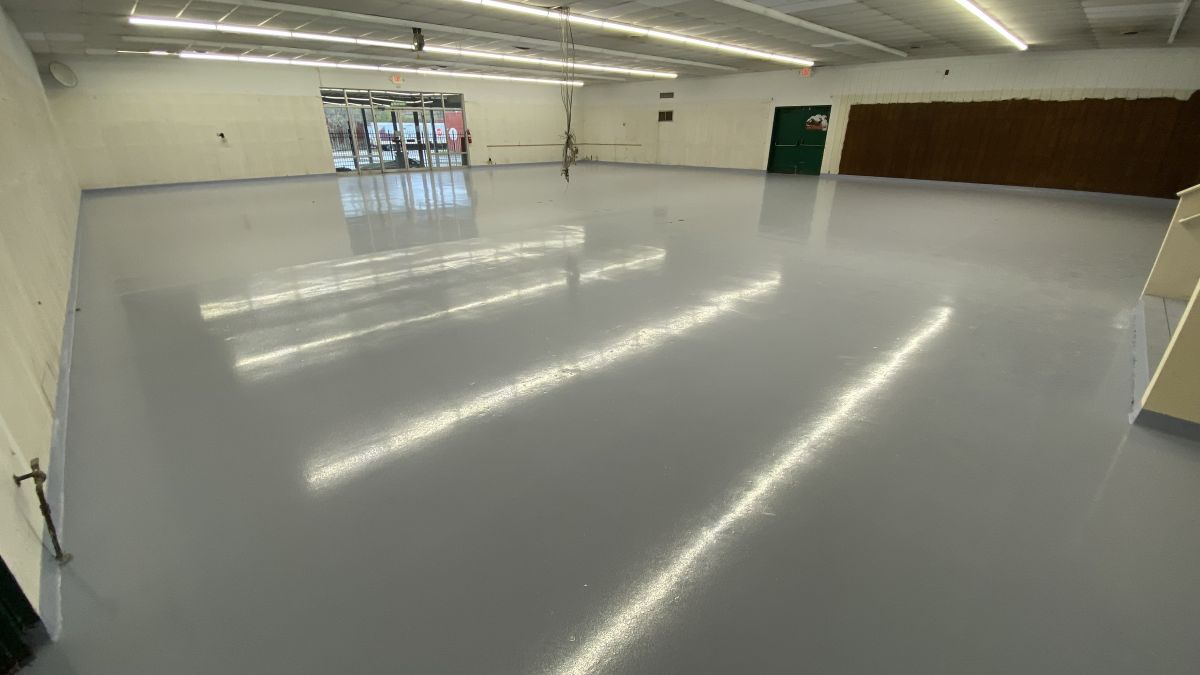
One of the biggest advantages of epoxy flooring is its resistance to damage. It can withstand heavy machinery, constant foot traffic, and even chemical spills without cracking or degrading. Additionally, the surface is non-porous, which helps prevent stains and water absorption. Another important benefit is safety, as epoxy coatings can be customized with anti-slip properties. The glossy finish also improves lighting by reflecting light, reducing the need for extra illumination. These benefits make epoxy flooring not only practical but also cost-effective in the long run, especially for industrial environments where durability is a priority.
Applications and Growing Demand in Industrial Spaces
Industries across various sectors are increasingly adopting epoxy flooring due to its versatility. Manufacturing plants, storage facilities, and automotive workshops are among the most common users. In regions like New Jersey, the demand for industrial epoxy flooring nj has seen consistent growth because businesses require reliable flooring solutions that meet safety and performance standards. This type of flooring adapts well to different operational needs, whether it involves handling chemicals or supporting heavy equipment. Its ability to maintain structural integrity over time makes it a smart investment for industries seeking long-term benefits without frequent repairs.
Installation Process and Long-Term Performance
The effectiveness of epoxy flooring depends heavily on proper installation. The process begins with surface preparation, ensuring the base is clean and free from cracks or moisture. After that, multiple layers of epoxy are applied to create a thick and durable coating. Once cured, the flooring becomes extremely strong and resistant to impact. The long-term performance of epoxy flooring is impressive, as it can last for years with minimal maintenance. Regular cleaning and occasional inspections are usually enough to keep the surface in good condition, making it a low-maintenance option for busy industrial settings.
Why Industrial Epoxy Flooring Is a Smart Investment
Choosing industrial epoxy flooring is a strategic decision for businesses looking to enhance efficiency and safety. It not only protects the underlying concrete but also improves the overall appearance of the workspace. A clean and well-maintained floor can positively impact employee productivity and create a better working environment. Additionally, the durability of epoxy flooring reduces repair costs and downtime, which are critical factors in industrial operations. Its adaptability to different conditions further adds to its value, making it a reliable flooring solution across various industries.
Conclusion
In conclusion, epoxy flooring has proven to be a dependable choice for industrial environments due to its strength, safety features, and low maintenance requirements. From handling heavy equipment to resisting chemical exposure, it meets the demands of modern industries effectively. Businesses investing in this flooring solution can expect long-term performance and improved workplace conditions. With its growing popularity and practical advantages, epoxy flooring continues to set a high standard for industrial surfaces, making it a worthwhile investment for the future.