


The most effective Acoustic Insulation Thickness in Worcester, MA for standard walls and ceilings usually ranges from 3.5 to 5.5 inches, depending on the stud depth. For most Worcester properties, filling the entire cavity with mineral wool or high-density cellulose provides the best noise reduction. This thickness typically achieves a Sound Transmission Class (STC) rating high enough to block conversational noise and common outdoor sounds.
This guide details exactly how to choose the right depth for your specific noise problems. You will learn about materials, regional considerations for Massachusetts buildings, and how Acoustic Insulation Thickness in Worcester, MA impacts sound dampening. Professional installers use these standards to ensure quiet interiors in busy urban or suburban environments.
Determining the ideal soundproof insulation thickness for your property
1. Standard wall cavity requirements
Most interior walls in Worcester homes use 2x4 wood studs, which create a 3.5-inch deep cavity. To get the best results, you should fill this space completely without over-compressing the material. If you leave air gaps, sound waves can travel through the wall, making the insulation less effective.
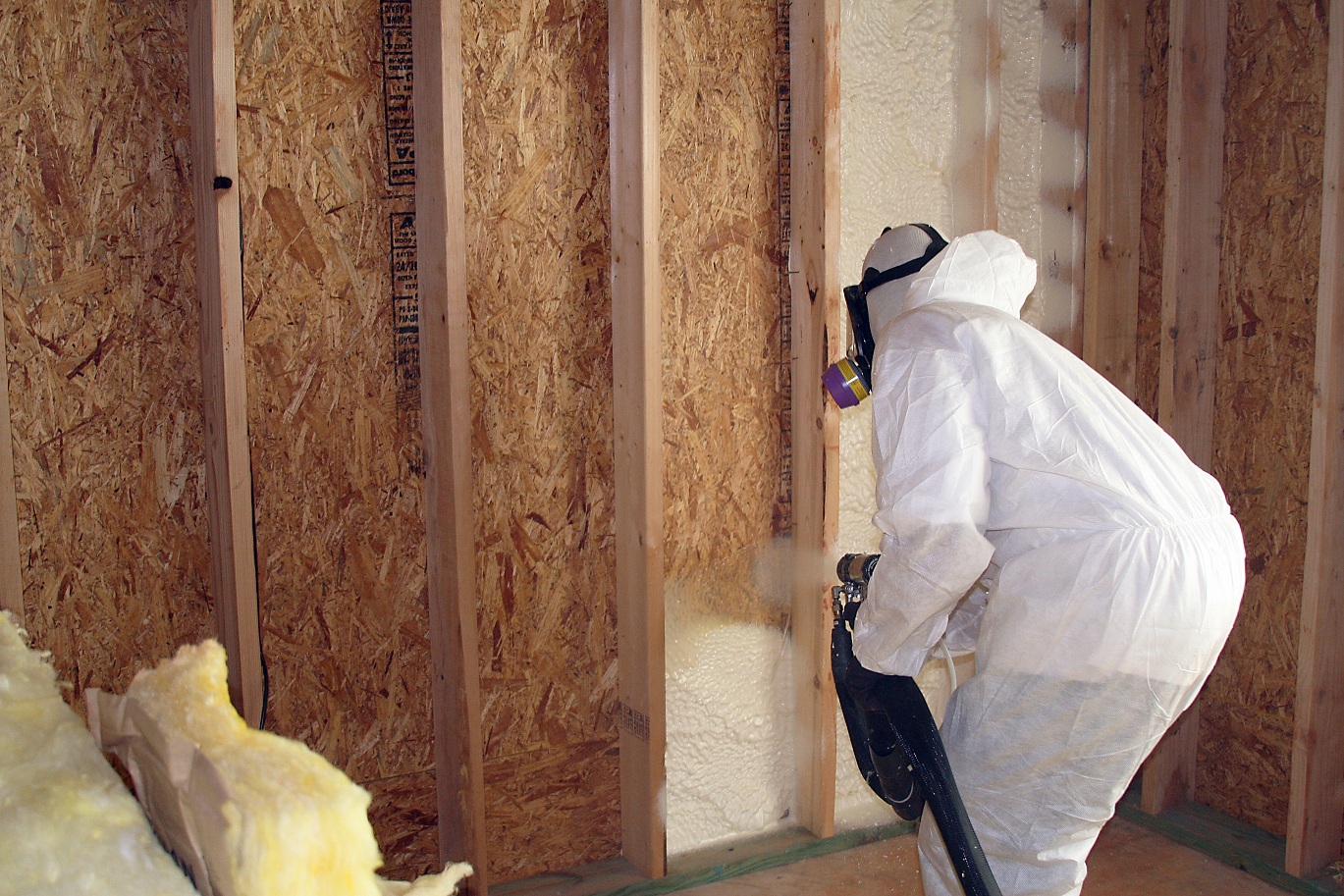
For exterior walls or commercial partitions using 2x6 studs, the depth increases to 5.5 inches. Using a thicker batten in these spaces significantly improves the STC rating. It is a common mistake to use thin thermal blankets when you actually need dense, full-depth acoustic materials to stop vibrations.
- 2x4 Studs: Use 3.5-inch thick mineral wool or cellulose.
- 2x6 Studs: Use 5.5-inch-thick materials for maximum damping.
- Ceilings: Often require 6 to 10 inches to block footfall noise from above.
2. Material density and its effect on sound
Thickness alone does not solve every noise issue; density matters just as much. A 3.5-inch piece of standard fiberglass is much lighter than a 3.5-inch piece of mineral wool. The heavier material blocks more of the energy from sound waves, especially at lower frequencies, such as those from traffic or bass music.
In Worcester's mixed-use neighborhoods, businesses often face higher noise levels than residential areas. For these situations, dense-pack cellulose or mineral wool is preferred over lighter alternatives. These materials provide sufficient mass to convert acoustic energy into tiny amounts of heat, effectively silencing the room.
Bonus Tip: If you are building a home theater or a private office, consider using resilient channels along with your insulation. This separates the drywall from the studs, preventing sound from traveling through the wood itself.
How do different materials compare for noise reduction?
3. Comparing common acoustic insulation options
Choosing the right material involves considering both the available depth and the noise-reduction goals. Below is a comparison of common materials used for acoustic insulation in Worcester, MA projects.

4. Why thickness matters for low-frequency noise
Higher-pitched sounds, like voices, are easier to block with thinner materials. However, low-frequency noise sources such as heavy trucks on I-290 or industrial machinery require greater mass and depth. If your building is near a loud intersection, increasing the thickness of the soundproof insulation in your exterior walls is a smart move.
Thicker insulation also helps with "flanking noise," which is sound that travels through floor joists or shared headers. By installing thick layers of mineral wool in the ceiling and floor assemblies, you create a buffer that keeps vibrations from moving between different levels of a building.
Regional considerations for Massachusetts buildings
5. Massachusetts building codes and acoustic standards
While the state building code focuses heavily on thermal performance, acoustic comfort is often required in multi-family dwellings. In Worcester, townhomes and apartment complexes must meet specific STC ratings between units. Usually, an STC of 50 is the target, which requires specific thickness and assembly techniques.
Local contractors often recommend mineral wool because it provides both fire resistance and sound damping in a single product. Since many Worcester buildings are older wood-frame structures, adding dense insulation during a renovation helps meet modern expectations for privacy and quiet.
- Check local zoning for commercial noise ordinances.
- Ensure insulation does not interfere with the electrical box depth.
- Match insulation thickness to the actual depth of the wall cavity.
6. Factors to evaluate before choosing your insulation depth
Before you purchase materials, you must understand the source of the noise. Is the sound coming through the air, or is it vibrating through the structure of the building? Addressing "impact noise" like footsteps requires a different approach than "airborne noise" like talking or television.
You should also look at the existing structure of your property. If you have lath-and-plaster walls, your options for adding thickness are limited unless you remove the old walls. In these cases, injecting dense-pack cellulose into existing cavities is often the most effective way to achieve acoustic benefits without full demolition.
Bonus Tip: Don't forget the "weak links" like electrical outlets and door sweeps. Even the thickest insulation won't work if sound leaks through a gap under the door or an unsealed light fixture.
Choosing between residential and commercial applications
7. Commercial versus residential acoustic needs
Businesses in the Worcester area often have stricter requirements than homeowners. Medical offices, law firms, and recording studios need high levels of privacy. In these settings, it is common to use staggered stud walls, which allow for a double layer of insulation, effectively doubling the thickness of the sound barrier.
Residential projects usually focus on "lifestyle" noises, such as a noisy dishwasher or a teenager’s bedroom. For these areas, a standard 3.5-inch application of high-quality home sound insulation solutions is typically sufficient to create a peaceful environment.
8. Professional assessment for optimal results
Getting the thickness right is a balance between space and performance. While thicker is generally better, there is a point of diminishing returns where adding more material doesn't significantly improve the room's quietness. A professional can help determine that "sweet spot" based on your budget and the building's layout.
Experts use specialized tools to identify where sound is escaping. They might suggest a combination of materials, such as spray foam to seal air leaks and mineral wool to provide mass. This layered strategy often works better than simply packing a single material as tightly as possible.
Consulting with local experts for the best soundproof insulation thickness results
If you are ready to quiet your space, reaching out to a local professional is the most effective next step. Lamothe Insulation and Contracting offers a range of services, including mineral wool, blown-in cellulose, and spray foam, to help you achieve the perfect Acoustic Insulation Thickness for your property. You can contact them at (508) 847-0119 or via email at [email protected] to discuss your specific needs. They provide expert guidance on acoustic insulation in Worcester, MA, and can help you choose the right materials for any residential or commercial project. Visit their location to see how they can improve your comfort: https://maps.app.goo.gl/5TkKeBcraYVd4kt68. Ask for a free quote to get started on your soundproofing project today.
Expert advice for your acoustic projects
Determining the ideal Acoustic Insulation Thickness requires looking at your wall depth, the type of noise you want to block, and your budget. For most applications in Worcester, filling 3.5-inch or 5.5-inch cavities with high-density materials such as mineral wool or cellulose offers the best balance of cost and performance. Always ensure a tight fit without gaps to prevent sound leaks. By evaluating your specific environment and choosing professional-grade materials, you can create a significantly quieter and more productive space.
Common questions about sound insulation
Which material is better for sound, fiberglass or mineral wool?
Mineral wool is significantly better because it is much denser and heavier, allowing it to absorb more sound energy than standard fiberglass.
Can I add sound insulation without tearing down my drywall?
Yes, you can use a "drill and fill" method with dense-pack cellulose, which involves small holes to fill the existing wall cavities.
Does spray foam work well for soundproofing?
Open-cell spray foam is decent at blocking airborne noise by sealing air gaps, but it lacks the mass of mineral wool to handle heavy vibrations.
Is an STC rating of 50 good for a home office?
An STC of 50 is excellent; it generally makes loud speech on the other side of the wall completely inaudible.
How much does insulation thickness affect the cost?
Deeper walls require more material, but labor costs are often similar, making it a worthwhile investment for long-term comfort.