


Understanding the Importance of Consistent Diabetes Care
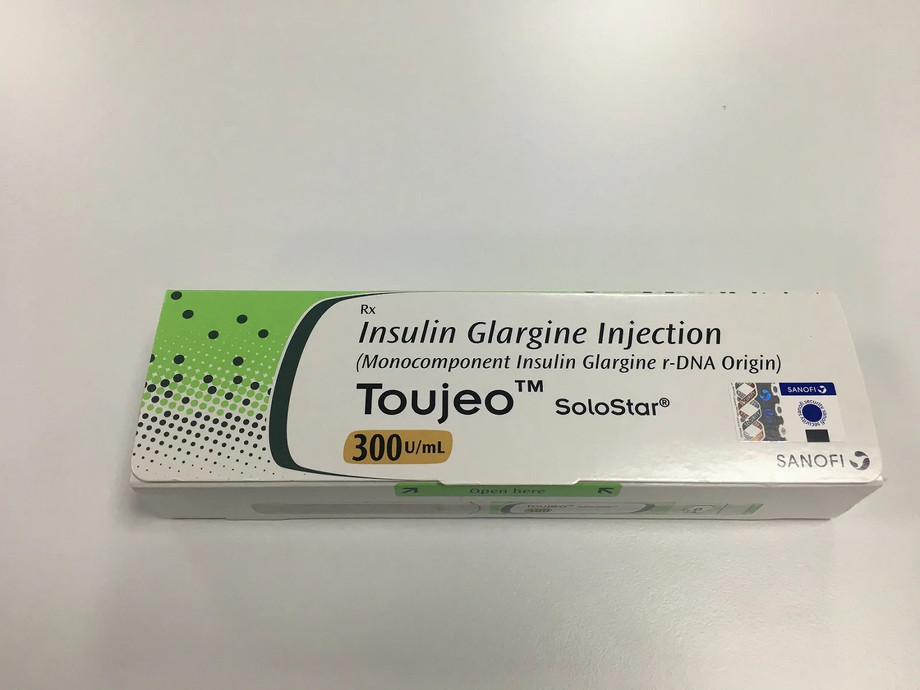
Diabetes is a chronic condition that requires ongoing management, lifestyle adjustments, and the right medications to maintain healthy blood sugar levels. Advances in medical science have introduced a variety of treatment options that help individuals manage diabetes more effectively than ever before. Among these solutions, Toujeo 300 Solostar Injection has emerged as a trusted option for people who need long-acting insulin support. By helping maintain stable glucose levels throughout the day, it contributes to better diabetes control and improved quality of life.
Proper diabetes management goes beyond medication alone. It includes regular monitoring of blood sugar, healthy eating habits, physical activity, and routine medical checkups. When combined with appropriate treatment plans, these measures can significantly reduce the risk of complications associated with diabetes.
The Growing Challenge of Diabetes Worldwide
Diabetes continues to affect millions of people across the globe. Sedentary lifestyles, unhealthy dietary habits, genetic factors, and increasing obesity rates have contributed to the rising prevalence of this condition. The disease can impact people of all ages and may lead to complications involving the heart, kidneys, eyes, and nervous system if not managed properly.
Early diagnosis plays a critical role in preventing long-term health issues. Recognizing symptoms such as excessive thirst, frequent urination, unexplained weight loss, and persistent fatigue can encourage timely medical intervention. With appropriate care, many individuals can lead active and productive lives despite having diabetes.
The Role of Insulin Therapy in Blood Sugar Control
For many patients, insulin therapy is an essential component of diabetes treatment. Insulin helps regulate blood glucose by allowing sugar to move from the bloodstream into the body's cells, where it is used for energy. Different types of insulin are designed to meet various patient needs, ranging from rapid-acting formulations to long-acting options.
Long-acting insulin therapies provide a steady release of insulin over an extended period, helping maintain consistent glucose levels. This approach minimizes fluctuations and offers greater convenience for individuals who require ongoing blood sugar management. Healthcare professionals determine the most suitable insulin regimen based on a patient's medical history, lifestyle, and treatment goals.
Lifestyle Changes That Support Better Diabetes Management
While medications are important, lifestyle modifications remain the foundation of effective diabetes care. A balanced diet rich in whole grains, lean proteins, vegetables, and healthy fats can help regulate blood sugar levels. Limiting processed foods, sugary beverages, and excessive carbohydrate intake is equally important.
Regular physical activity also plays a significant role in improving insulin sensitivity and supporting overall health. Activities such as walking, cycling, swimming, and strength training can help maintain healthy blood glucose levels while promoting cardiovascular fitness. Consistency is key, and even small daily efforts can yield substantial benefits over time.
Monitoring and Preventing Diabetes Complications
Routine monitoring enables patients and healthcare providers to evaluate treatment effectiveness and make necessary adjustments. Blood glucose testing, A1C assessments, and regular health screenings are essential for identifying potential concerns before they become serious complications.
Patients should also pay attention to foot care, eye health, and kidney function. Since diabetes can affect circulation and nerve function, proactive monitoring helps reduce the likelihood of severe complications. Education and awareness empower individuals to make informed decisions regarding their health and treatment plans.
Medications That Complement Comprehensive Diabetes Care
Modern diabetes treatment often involves a combination of medications tailored to individual needs. Some medicines help increase insulin sensitivity, while others reduce glucose production or improve the body's natural insulin response. The availability of diverse treatment options allows healthcare providers to create personalized management strategies.
In certain cases, oral medications are prescribed to complement lifestyle changes and insulin therapy. One such option is Isojol 500mg Tablet, which may be recommended as part of a broader diabetes management plan. When used according to medical advice, it can contribute to improved blood sugar control and support overall treatment objectives.
Building Long-Term Success Through Patient Education
Education remains one of the most powerful tools in diabetes management. Understanding how medications work, recognizing symptoms of high or low blood sugar, and learning healthy lifestyle habits can greatly improve treatment outcomes. Patients who actively participate in their care often experience better disease control and greater confidence in managing their condition.
Healthcare professionals, diabetes educators, and support groups can provide valuable guidance throughout the treatment journey. Staying informed about new developments and maintaining open communication with medical providers can further enhance long-term success.
Conclusion
Effective diabetes management requires a balanced approach that combines appropriate medications, healthy lifestyle choices, regular monitoring, and ongoing education. By adopting proactive strategies and working closely with healthcare professionals, individuals can successfully manage their condition and reduce the risk of complications. As awareness and treatment options continue to evolve, access to reliable healthcare resources becomes increasingly important. For those seeking trusted pharmaceutical information and products, drugsgeneral.com serves as a valuable destination for exploring healthcare solutions and supporting overall wellness.