


SENFLY is all about making life easier for people who need a quick jump start for their vehicles. Many folks find themselves in a situation where their car battery is dead, and they need help to get back on the road. There are different types of jump starters available, but two main types stand out: lithium and lead-acid. Each has its pros and cons, but when it comes to speed, efficiency, and long life, lithium jump starters often take the lead. Let’s take a closer look at how these two types compare.
How do lithium jump starters outperform lead-acid models in speed and efficiency
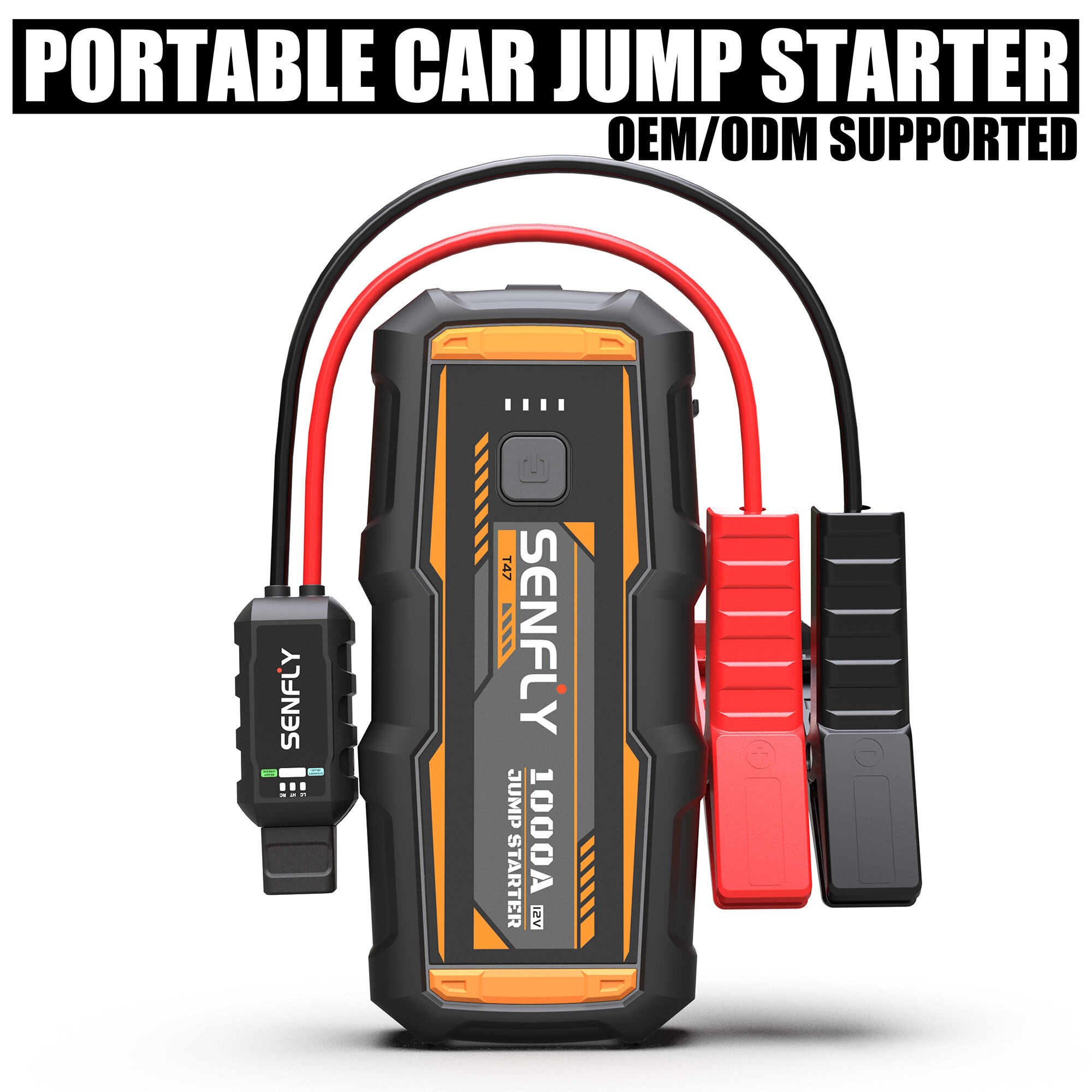
Lithium jump starters are known for being lightweight and very powerful. They can deliver a high burst of energy quickly, which is what you need to start a car. For example, a portable jump starter can start a vehicle in just a few seconds, while a lead-acid model might take longer and struggle a bit. Also, lithium batteries can hold their charge for a long time, meaning you don’t have to worry about them losing power when you need them most. With SENFLY’s lithium jump starters, you can expect to jump-start a vehicle multiple times without needing to recharge right away. This makes them perfect for people who travel a lot or those who don’t want to deal with the hassle of charging their equipment frequently. Plus, lithium jump starters are smaller, which means they take up less space in your car or bag. On a camping trip or a long drive, that extra space can be a big deal. When you think about speed and efficiency, lithium jump starters really shine. They are ready to work when you need them, and that can make a big difference in a stressful situation.
What common usage issues do buyers face with lead-acid jump starters?
Many people who use lead-acid jump starters run into a few problems. One of the biggest issues is weight. These jump starters are often heavy and bulky, making them hard to carry around. If you have to lift a heavy jump starter while trying to connect cables in the rain, it can be pretty frustrating. Another common problem is that lead-acid batteries don’t hold their charge as well as lithium batteries. If you leave a lead-acid portable jump starter pack in your car for a few weeks without using it, you might find it’s dead when you finally need it. This can lead to a lot of disappointment when you’re stuck with a dead battery. Additionally, lead-acid jump starters may not provide enough power for larger vehicles. If you drive a truck or an SUV, you might find that a lead-acid model struggles to get the job done. Finally, lead-acid batteries have a shorter lifespan compared to lithium. They can wear out faster, meaning you’ll need to replace them more often. So while lead-acid jump starters have been around for a long time and can work well, they come with their own set of challenges that can make using them a bit of a hassle.
How Does the Lifespan of Lithium Jump Starters Compare to Lead-Acid Options?
When it comes to jump starters, the lifespan is an important factor to consider. Lithium jump starters, like those from SENFLY, tend to last much longer than lead-acid jump starters. A lithium jump starter can last for about 2,000 charge cycles. This means you can fully charge and discharge it 2,000 times before it starts to lose its power. On the other hand, a lead-acid jump starter usually lasts for only about 300 to 500 cycles. This big difference in lifespan makes lithium jump starters a better choice for many people. Another thing to think about is how long each type of jump starter can hold its charge. lithium jump starter can stay charged for a long time, even when not in use. They can hold their charge for several months, which means you can grab one when you need it without worrying about it being dead. Lead-acid jump starters, however, tend to lose their charge faster, especially if they sit unused for a while. So, if you don’t use your jump starter frequently, you might find that the lead-acid one is dead when you need it most.
Overall, lithium jump starters from SENFLY not only last longer but also hold their charge better than lead-acid options. This makes them a smart investment for anyone who wants a reliable and long-lasting jump starter. While lead-acid jump starters may be cheaper, their shorter lifespan and tendency to lose charge can make them less convenient and cost-effective in the long run. If you want a jump starter that will serve you well for years, a lithium option is definitely the way to go.
How Can You Choose the Right Portable Jump Starter for Your Needs?
Choosing the right portable jump starter can be a little confusing, especially with so many options available. First, you need to think about the size of your vehicle. Larger vehicles, like trucks and SUVs, require more power to jump-start than smaller cars. When looking at jump starters, check the peak amps. For most cars, a jump starter with at least 400 peak amps is enough. If you have a larger vehicle, you might want one with 600 peak amps or more.
Next, consider how often you will use the jump starter. If you plan to use it frequently, investing in a higher-quality lithium jump starter from SENFLY may be worth it. These jump starters typically have a longer lifespan and can hold their charge better, making them more reliable in emergencies. If you just need a jump starter for occasional use, a lead-acid option may work for you, but remember it might not last as long.
Another factor to think about is additional features. Many lithium jump starters come with extra features like USB ports for charging your phone, built-in flashlights, and even air compressors. These features can be very helpful in various situations. Lead-acid jump starters usually don’t come with these extras, so if you think you might need them, a lithium jump starter could be a better choice.
Lastly, always read reviews and do some research before buying. Look for feedback from others who have used the jump starter you’re considering. This can give you a good idea of how well it works and if it’s worth the money. By thinking about your vehicle, how often you’ll use the jump starter, any extra features you want, and checking reviews, you can find the perfect portable jump starter for your needs.
Lithium vs. Lead-Acid
When comparing lithium jump starters to lead-acid jump starters, there are some key differences that can help you decide which one is better for you. First, let’s talk about weight. Lithium jump starters are much lighter than lead-acid ones. A lithium jump starter might weigh around 2 to 5 pounds, while a lead-acid jump starter can weigh 10 pounds or more. This makes lithium jump starters easier to carry around and store in your vehicle.
Then there’s the speed at which they work. Lithium jump starters generally provide faster jumps than lead-acid options. This means that when you have a dead battery, a lithium jump starter can get you back on the road more quickly. If you’re in a hurry or stuck in a bad situation, this speed can be very important.
Another difference is the safety features. Lithium jump starters often come with built-in safety features like short-circuit protection and overcharge protection. This helps prevent accidents and makes them safer to use. Lead-acid jump starters may not have these features, which can make them riskier, especially for younger users or those who aren’t familiar with jump-starting cars.
In terms of cost, lead-acid jump starters are usually cheaper upfront. However, because they have a shorter lifespan and can lose their charge quickly, they may end up costing you more in the long run. On the other hand, while lithium jump starters have a higher initial cost, their longer lifespan and better performance make them a more economical choice over time.
In summary, lithium jump starters from SENFLY offer many advantages over lead-acid options, including lighter weight, faster jump-starting, and better safety features. While lead-acid jump starters might be cheaper at first, the benefits of lithium jump starters make them a smarter investment for anyone who needs a reliable and efficient jump starter.