


Introduction to Modern Injury Recovery Approaches
Recovering from an injury requires a structured and carefully designed approach that supports healing while preventing re-injury. One of the most effective methods used today is the Customized injury rehab exercise program, which is designed to match an individual’s specific condition, injury type, and recovery goals. Unlike generic exercise routines, this personalized approach focuses on restoring strength, improving flexibility, and gradually rebuilding functional movement in a safe and controlled manner.
A well-designed rehab plan not only speeds up recovery but also helps patients regain confidence in their physical abilities. It ensures that every movement contributes to healing rather than putting stress on vulnerable tissues.
Importance of Structured Rehabilitation Plans
A structured rehabilitation plan is essential because injuries affect each person differently. Factors such as age, lifestyle, fitness level, and severity of injury all influence recovery time. Without a guided plan, patients may either overexert themselves or remain too inactive, both of which can delay healing.
Structured rehab ensures that each stage of recovery is carefully monitored. It helps reduce inflammation, restore joint stability, and gradually reintroduce movement. This approach also minimizes the risk of long-term complications such as stiffness, chronic pain, or reduced mobility.
Phases of Injury Rehabilitation Process
Rehabilitation typically occurs in multiple phases, each serving a unique purpose. The first phase focuses on reducing pain and inflammation. This may include rest, gentle stretching, and light mobility exercises.
The second phase introduces controlled movement to improve circulation and prevent stiffness. As healing progresses, the third phase focuses on strengthening muscles and restoring balance. Finally, advanced functional exercises are added to prepare the body for normal daily activities or sports.
Each phase must be followed carefully to ensure proper healing and avoid setbacks.
Strength Training and Mobility Restoration Techniques
Strength and mobility are key components of full recovery. After an injury, muscles often weaken due to inactivity, making targeted exercises essential. Controlled strength training helps rebuild muscle support around the injured area, improving stability and reducing future injury risk.
Mobility exercises are equally important as they restore flexibility and joint function. These exercises help improve range of motion and ensure that the body moves efficiently without pain or restriction. A balanced combination of strength and mobility training creates a strong foundation for long-term physical health.
Pain Management and Functional Recovery Methods
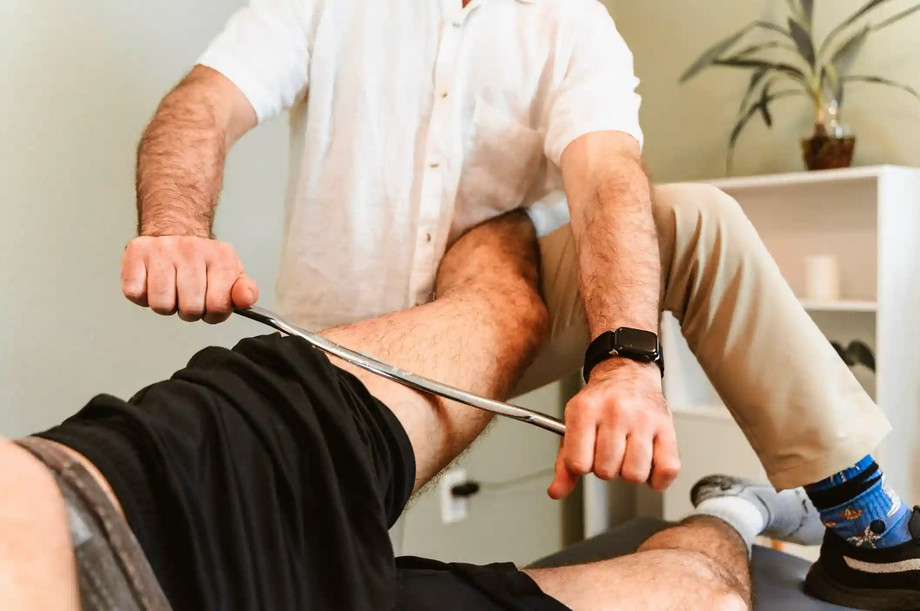
Managing pain effectively is a critical part of rehabilitation. Techniques such as guided stretching, manual therapy, heat and cold therapy, and low-impact movement exercises are commonly used to control discomfort.
Functional recovery focuses on helping individuals return to their daily routines safely. This includes activities like walking, bending, lifting, or even returning to sports. The goal is not just to heal the injury but to restore full functionality in a sustainable way.
Personalized Approach for Long-Term Healing Outcomes
Every injury requires a tailored recovery strategy to ensure optimal results. A Post-injury personalized rehab exercises plan takes into account the patient’s specific condition, recovery speed, and physical limitations. This individualized approach allows therapists to adjust intensity, duration, and type of exercise based on progress.
By focusing on personalization, patients experience more effective healing, reduced risk of re-injury, and improved overall physical performance. It also encourages long-term lifestyle changes that support joint health and muscular balance.
Conclusion: Building a Stronger and Healthier Future
Injury recovery is not just about healing damaged tissues it is about rebuilding strength, confidence, and long-term resilience. With the right rehabilitation approach, individuals can return to their normal lives stronger than before.
Professional guidance, consistency, and personalized care play a vital role in achieving successful recovery outcomes. Clinics and specialists such as thechiropractorr.com emphasize structured rehabilitation methods that focus on both healing and prevention, ensuring patients receive comprehensive care throughout their recovery journey.