


You are standing at a crossroads, trying to decide between two completely different approaches to cleaner indoor air. On one side, the familiar HEPA air purifier, a machine that pulls air through a fine filter and traps particles. On the other side, a probiotic system like EnviroBiotics, which you apply to surfaces and which works through competitive exclusion rather than mechanical filtration. Comparing them directly feels like comparing apples to forklifts. They do different things, work through different mechanisms, and solve different problems. But if you have a budget for only one approach, or if you want to understand how they might work together, a detailed side-by-side comparison is essential. This guide walks you through the key differences, strengths, and limitations of each approach so you can make a smart, informed decision for your home.
How Each Technology Actually Works
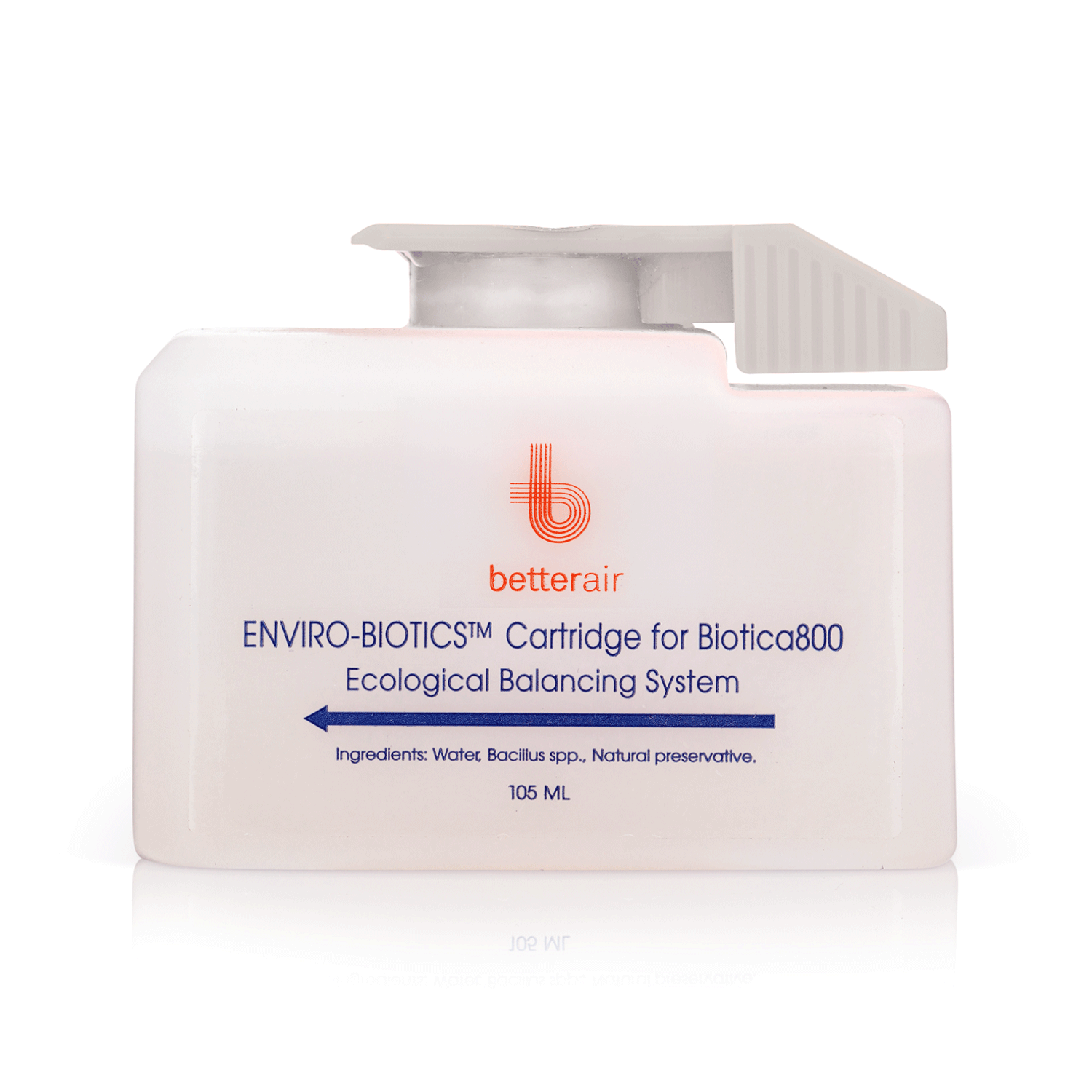
Let us start with the basic mechanisms. A HEPA air purifier uses a fan to draw room air through a physical filter made of densely packed glass or plastic fibers. Particles larger than 0.3 microns, including dust, pollen, mold spores, and pet dander, become trapped in the filter matrix. The cleaned air is then blown back into the room. HEPA does nothing to gases, odors, or volatile organic compounds unless the unit also includes an activated carbon filter. A probiotic system like EnviroBiotics does not move air at all. You dilute the concentrate, spray or mop it onto hard surfaces, and allow it to dry. Beneficial Bacillus spores germinate into active bacteria that colonize surfaces. These good bacteria consume the organic waste that feeds harmful microbes and produce natural antimicrobial compounds. The air quality benefit comes from reducing the surface reservoir of allergens and pathogens, so fewer become airborne in the first place.
What Each Approach Captures or Controls
The HEPA purifier excels at capturing particles that are already floating in your air. If you have seasonal pollen blowing in through open windows, a HEPA unit will trap much of it. If you have a cat that sheds dander continuously, a HEPA purifier will capture some of the airborne fraction. What HEPA does not capture are settled particles on surfaces, gases, odors, or volatile organic compounds. The probiotic system does not capture anything. Instead, it reduces the total load of allergens and microbes on surfaces. It is particularly effective against dust mite droppings, mold, pet dander, and bacteria. It also addresses odors at their source by breaking down the organic waste that causes them. What the probiotic system does not do is remove particles from the air in real time. If someone is actively cooking and releasing smoke particles, EnviroBiotics on your countertops will not help.
Speed and Timeline of Results
The HEPA purifier delivers results almost immediately. Turn it on, and within an hour, airborne particle counts in the room will measurably drop. This makes HEPA ideal for acute situations, like wildfire smoke drifting into your home or a sudden spike in spring pollen. The probiotic system requires patience. In the first few days after application, you may notice little change. The beneficial bacteria need time to germinate, multiply, and establish biofilms. Measurable allergen reduction on surfaces typically appears around day eight, with full benefits developing over two to four weeks. The probiotic approach is for chronic problems, not acute crises. If you need relief from airborne pollen today, buy a HEPA purifier. If you want to break the cycle of recurring mold and musty odors over the long term, consider probiotics.
Maintenance and Ongoing Costs
Here is where the comparison gets interesting. A HEPA purifier has upfront costs ranging from fifty to several hundred dollars plus ongoing filter replacements every six to twelve months at twenty to one hundred dollars each. It also consumes electricity continuously, typically adding a few dollars to your monthly bill. The probiotic system has no electricity cost and no machine to break. Upfront cost for a starter kit runs forty to fifty dollars. Replacement concentrate costs about thirty dollars and lasts most households two to three months with regular use. Monthly costs range from ten to fifteen dollars, comparable to or slightly lower than filter replacements for a quality HEPA unit. Neither approach is free, but the probiotic system has lower ongoing costs and no electrical consumption. However, the probiotic system requires more consistent effort. You must remember to apply it on schedule. A HEPA purifier, once set up, runs automatically.
Coverage Area and Practical Limitations
HEPA purifiers are rated for specific room sizes, typically between one hundred and five hundred square feet. They work best in enclosed spaces with doors closed. A single unit cannot effectively clean an entire open floor plan home. The probiotic system covers every hard surface you treat, regardless of room size. One bottle of concentrate can treat your entire home. However, probiotics do not work well on porous surfaces like carpets, upholstery, or grout. They cannot treat the air directly. A HEPA purifier works on both hard and soft surfaces indirectly by capturing particles that have become airborne, but it does not treat the surfaces themselves. This is why the two approaches complement each other so well. HEPA handles airborne particles in real time. Probiotics reduce the surface reservoir that continually feeds new particles into the air.
Which One Should You Buy First
If you can only afford one approach, your choice depends on your primary problem. For seasonal allergies driven by outdoor pollen that drifts in through windows and doors, a HEPA purifier in your bedroom will provide faster, more noticeable relief. For persistent indoor problems like musty odors, recurrent mold on bathroom surfaces, pet smells, or family members with multiple chemical sensitivities, the probiotic system addresses the root cause more effectively. For most households, the smartest strategy is to use both. Run a HEPA purifier in the bedroom during allergy season. Use EnviroBiotics on all hard surfaces weekly to control odors, mold, and surface allergens. The combination addresses both airborne particles and surface reservoirs. Neither approach alone is complete. Together, they represent a comprehensive, modern strategy for indoor air quality that goes far beyond what either technology can achieve by itself.