


There is a strange emotional phase that happens between active acne and clear skin that nobody really talks about enough. It is the period where people stop reacting to acne as a temporary condition and slowly start building routines, habits, and even personality traits around hiding it. The mirror becomes less about checking appearance and more about managing expectations.
For many people, this starts during the long search for products that actually feel compatible with reactive skin. Sometimes the journey begins with something simple like finding a cleanser for sensitive acne prone skin that does not leave the face feeling stripped or irritated after every wash. From there, skincare becomes less cosmetic and more psychological. Acne starts influencing lighting choices, social confidence, camera angles, and even plans with friends.
What makes this phase especially difficult is that skin healing rarely happens overnight. Even when inflammation calms down, texture changes, marks, redness, and uneven tone can linger quietly in the background. The skin may technically be improving, but emotionally, the person often still feels stuck in the breakout era.
This is why the conversation around acne needs to move beyond “fixing pimples.” The more overlooked topic is how acne slowly shapes identity while healing takes its time.
The Hidden Habit Loop Acne Creates
One of the most underestimated effects of recurring breakouts is routine conditioning. After enough flare ups, people begin developing protective behaviors without even noticing.
These habits can include:
- Avoiding bright natural lighting
- Turning off front camera previews
- Wearing hair in ways that cover cheeks or forehead
- Applying makeup only to certain zones
- Sleeping carefully to avoid irritation
- Constantly checking mirrors throughout the day
Over time, these actions stop feeling temporary. They become automatic.
What is interesting is that the skin itself may already be improving while the habits remain fully active. This mismatch is why many people continue feeling “acne conscious” months after visible inflammation decreases.
Dermatologists often discuss acne in terms of bacteria, oil production, clogged pores, or inflammation. Those factors matter, but the emotional conditioning around acne can outlast the physical symptoms themselves.
Why Acne Recovery Feels Slower Than It Actually Is
Human brains respond strongly to visual inconsistency. Acne healing is gradual, uneven, and unpredictable, which makes progress hard to notice daily.
One side of the face may improve faster. Redness may fade before texture smooths out. Marks may darken temporarily before lightening. This creates a confusing cycle where improvement exists, but confidence does not catch up immediately.
A major reason for this is that skin repair involves multiple overlapping stages:
- Inflammation reduction
- Surface healing
- Barrier recovery
- Collagen rebuilding
- Pigment fading
Most people only expect stage one. They assume the breakout disappearing means the process is complete. In reality, the deeper repair phases can continue for weeks or months.
This is where consistent skincare routines become more important than aggressive treatment cycles. Cleansers, lightweight serums, moisturizers, sunscreen, and targeted care products all support different stages of healing rather than replacing one another.
The Strange Relationship Between Acne and Control
Another rarely discussed topic is how acne often changes a person’s relationship with control itself.
When skin becomes unpredictable, people naturally search for certainty. They monitor ingredients, sleep patterns, diet triggers, stress levels, pillowcases, humidity, and even phone screens. Sometimes this awareness becomes useful. Other times it creates constant hypervigilance.
The irony is that stress itself can contribute to worsening breakouts, creating a frustrating feedback loop.
This explains why balanced routines usually outperform chaotic overcorrection. A barrier supportive moisturizer paired with calming serums and consistent sunscreen use often works better long term than aggressively switching products every few days.
Interestingly, hydrocolloid based acne care products have also become psychologically comforting for many users because they create a sense of visible protection during active breakouts. Even small interventions can help people feel more in control while the skin heals gradually underneath.
Why Texture Changes Feel More Personal Than Pimples
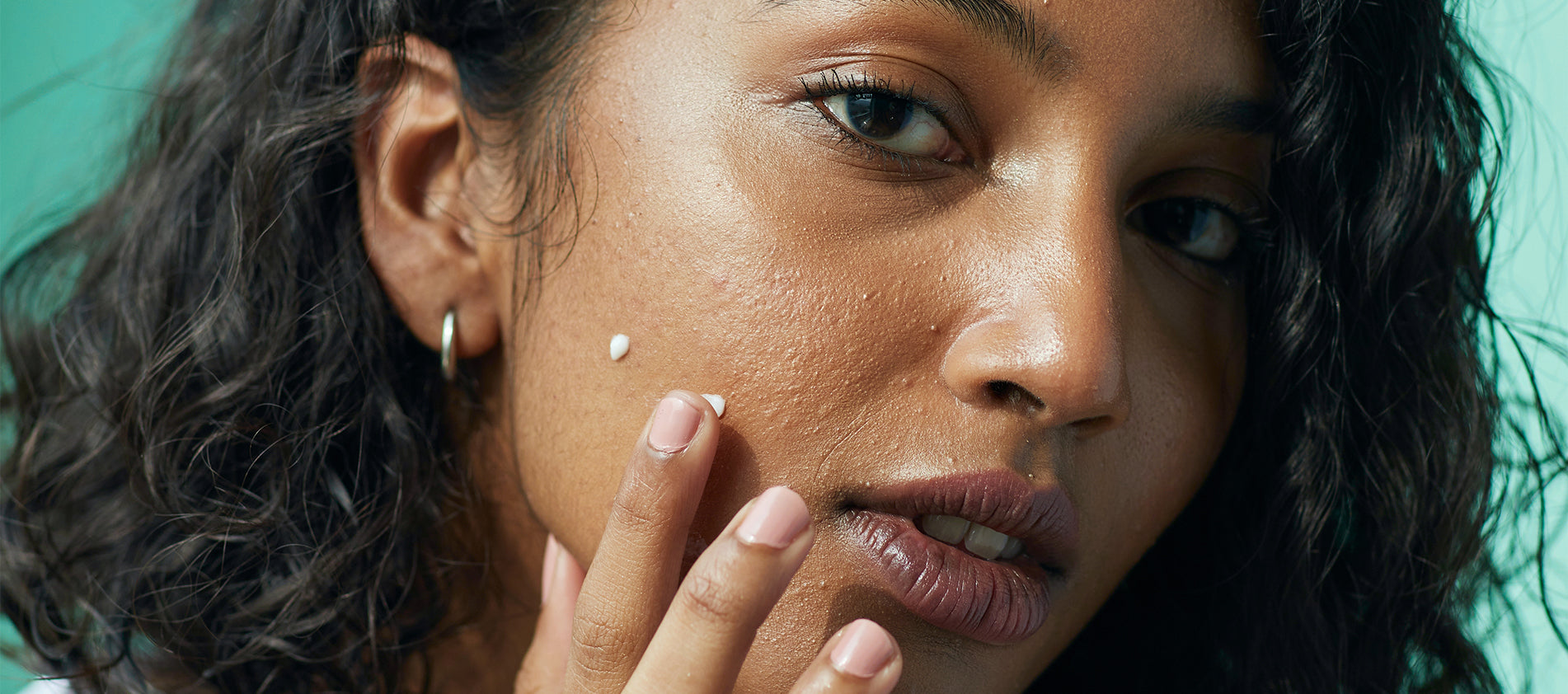
Inflamed acne eventually goes away. Texture changes often feel different emotionally because they alter how skin reflects light.
People notice this especially during:
- Side lighting
- Flash photography
- Mirror angles
- Makeup application
- Video calls
Unlike active pimples, textural irregularities feel static. This makes them psychologically heavier even when they are less visible to others.
The good news is that skin remodeling continues much longer than most people realize. Collagen activity, hydration support, barrier strengthening, and sun protection all influence how skin eventually settles over time.
Research from the American Academy of Dermatology shows that acne affects up to 50 million Americans annually, making it one of the most common skin conditions worldwide. The long term emotional impact associated with acne visibility and scarring has also been widely documented.
The Internet Changed How People Experience Acne
Before social media, acne was mostly experienced privately. Now skin exists under constant digital observation.
High definition cameras, beauty filters, trending routines, and viral transformations have created unrealistic expectations around healing speed. People often assume healthy skin should look immediately polished once acne treatments begin.
But real skin recovery is usually slower, less dramatic, and far less linear than online content suggests.
This digital pressure also influences product behavior. Instead of building patient routines, many users chase fast visible results. They stack exfoliants, combine incompatible actives, and overcorrect at the first sign of progress slowing down.
Ironically, this often damages the skin barrier further and prolongs recovery.
Why Barrier Health Quietly Changes Everything
One of the biggest shifts in modern skincare is the growing focus on barrier support rather than constant exfoliation.
A compromised barrier can make acne prone skin feel:
- Tight
- Reactive
- Overly oily
- Flaky
- Red
- Sensitive to active ingredients
This is why moisturizers are no longer viewed as optional even for oily skin types. Proper hydration helps regulate irritation and supports recovery after active treatments.
Barrier focused routines also make targeted products easier to tolerate over time. When skin feels calmer, people are less likely to panic switch products every week.
In many cases, the most successful acne routines are not the harshest ones. They are the ones people can stay consistent with for months.
Acne Healing Is Often Invisible Before It Becomes Visible
One of the most frustrating realities about skin recovery is that healing starts underneath the surface first.
Inflammation may decrease before redness fades. Collagen rebuilding may begin before texture visibly improves. Pigmentation may stabilize before brightening.
This delay makes many people quit routines too early.
Skincare often works quietly before it works visibly.
That subtle shift matters because long term consistency tends to create more stable improvement than dramatic short term treatment cycles. Supporting the skin daily through cleansing, hydration, targeted correction, and sunscreen protection creates conditions where repair can continue uninterrupted.
Why Sun Exposure Keeps Old Breakouts Visible Longer
Many people focus heavily on treating active acne but underestimate how much UV exposure influences lingering marks afterward.
Even minimal daily exposure can deepen post inflammatory pigmentation and slow visible fading. This is especially noticeable in humid climates and high UV environments where skin experiences repeated low level exposure throughout the day.
This explains why sunscreen has become increasingly integrated into acne recovery routines rather than existing separately from them.
Modern lightweight formulas now make daily wear easier for oily and breakout prone skin types that previously avoided SPF because of heaviness or residue concerns.
The Emotional End Point of Acne Is Not Perfect Skin
A surprisingly important realization during long term acne recovery is that emotional healing and skin perfection are not the same thing.
Many people eventually reach a point where:
- Breakouts reduce significantly
- Texture improves gradually
- Confidence starts returning
- Skin no longer dominates daily thinking
That shift matters more than achieving unrealistic flawless skin.
The healthiest routines are usually the ones that support life instead of controlling it. Skincare should eventually feel like maintenance rather than crisis management.
And sometimes the final stage of acne recovery is not completely smooth skin. It is simply no longer organizing your identity around breakouts.
Conclusion
Acne changes more than the surface of the skin. It influences behavior, confidence, routines, and even how people experience everyday interactions. The difficult part is that these emotional effects often continue quietly during the slow stages of physical healing.
Real recovery usually comes from consistency rather than urgency. A balanced routine that includes cleansing, hydration, targeted correction, and protection creates better long term outcomes than aggressive cycles of over treatment. Even supportive products like a hydrocolloid patch can help people manage active breakouts while giving healing skin a calmer environment to recover gradually.
The most important thing to remember is that acne recovery is rarely instant, but skin is often repairing itself underneath the surface long before visible results fully appear.
CTA
If you are building a skincare routine focused on acne recovery, barrier support, hydration, and post breakout care, explore the full collection at World of California for products designed to support skin through every phase of healing.
FAQs
Can acne affect confidence even after breakouts improve?
Yes. Many people continue feeling self conscious because emotional habits formed during active acne can remain even after visible improvement begins.
Why do acne marks last longer than pimples?
Post inflammatory pigmentation and collagen repair take longer than inflammation reduction. This is why marks and texture changes may stay visible after active acne disappears.
Does oily skin still need moisturizer?
Yes. Skipping moisturizer can weaken the skin barrier and sometimes increase irritation or excess oil production.
Why is sunscreen important during acne recovery?
UV exposure can worsen pigmentation and slow the fading of acne marks. Daily sunscreen use helps protect healing skin.
Are aggressive acne treatments always better?
Not necessarily. Consistent routines that support barrier health often create more stable long term improvement than overly harsh treatment cycles.