


Commercial insulation failure typically appears through unexplained spikes in utility bills and inconsistent indoor temperatures. When your material degrades, it no longer resists heat flow, forcing your HVAC system to run longer cycles to maintain a comfortable environment.
Identifying issues with your Commercial Insulation Services in Exeter CA early helps prevent long-term structural damage and protects your bottom line. This guide provides a detailed look at the indicators of insulation failure and how they impact business operations in the specific climate of the Central Valley.
1. Sudden increases in monthly energy expenses
The most obvious sign of failure is a steady rise in your cooling and heating costs. Commercial buildings often allocate nearly 35 percent of their total energy consumption to climate control. When insulation loses its R-value, your machinery and cooling units work harder to compensate for the lost air.
If you notice your bills are 10 to 15 percent higher than the same month last year without a change in production, your thermal envelope is likely compromised. In Exeter, the summer heat is intense, and failed materials allow that heat to seep directly into your workspace.
2. Uneven temperatures and persistent drafts
Walk through your facility and note any sudden changes in temperature between rooms or zones. Failed Commercial Insulation Services often lead to hot spots in warehouses or cold drafts in office areas. This inconsistency suggests that the material has settled, shifted, or thinned in specific sections of the building.
Air leaks often accompany these temperature swings. If your employees complain about drafts near windows, doors, or ceiling joints, the seal that once protected the building has likely broken down. Consistent thermal performance is necessary for both worker comfort and the protection of temperature-sensitive inventory.
Bonus Tip: Use a handheld infrared thermometer to scan your walls and ceilings. Large temperature differences between different sections of the same wall indicate missing or failed insulation.
3. Signs of moisture and mold growth
Moisture is the enemy of traditional insulation materials like fiberglass or cellulose. In the Central Valley, humidity during the rainy season or condensation from industrial processes can lead to dampness within your walls. Once insulation gets wet, it loses its ability to trap air and becomes a breeding ground for mold.
Look for water stains on ceiling tiles or a musty odor in corners. Mold does more than just ruin your insulation; it can lead to health violations and costly remediation. If you see sagging material or discolored patches, the internal structure of the insulation has likely collapsed due to moisture weight.
4. Increased noise levels from outside
Insulation does more than just manage temperature; it acts as a sound dampener. If you suddenly start hearing more traffic from nearby highways or the loud hum of external machinery, your insulation is no longer thick or dense enough to absorb sound waves.
A decline in acoustic performance often mirrors a decline in thermal performance. For facilities in industrial zones, maintaining a quiet environment is essential for communication and safety. When noise pollution increases, it is a strong signal that the material density has decreased over time.
5. Pest infestations and debris
Old or failing insulation often becomes a nesting ground for rodents and insects. Pests like mice and rats can tunnel through fiberglass batts, creating gaps that allow air to move freely. If you find droppings, chewed wires, or bits of insulation scattered on the floor, your thermal barrier is being destroyed from the inside.
Additionally, if you notice an increase in dust or agricultural debris inside your facility, your building seal is likely failing. Failed insulation allows outside air and pollutants to bypass your filtration systems, which can damage sensitive equipment and increase your cleaning costs.

Measuring the financial impact on your business
When insulation fails, your Return on Investment (ROI) drops significantly. You are essentially paying for energy that escapes through the roof or walls. Beyond the utility bills, there are secondary costs like increased maintenance for your HVAC systems, which must run twice as often to keep up with the heat gain.
Market data shows that commercial buildings account for roughly 18 percent of total energy consumption in the United States. In a climate like Exeter’s, where temperatures regularly exceed 100 degrees, the cost of inefficiency is even higher. High-quality Commercial Insulation Services ensure that your initial investment pays for itself through reduced operational costs over five to ten years.
Performance comparison of common materials
The following table compares how different materials hold up over time and their resistance to common failure points in an industrial setting.
Factors to evaluate before choosing a replacement
Before you decide to replace your existing material, you must consider the specific needs of your building. Every facility has a different layout and different thermal requirements based on the work performed inside.
- Building Usage: A cold storage facility needs much higher R-values and better moisture control than a dry goods warehouse.
- Existing Damage: If your current failure is due to a roof leak, you must fix the leak before installing new insulation, or the cycle will repeat.
- Long-term Goals: Consider how long you plan to stay in the building. While some options have a higher upfront cost, they offer much lower long-term maintenance requirements.
- Local Climate: In Exeter, the high summer temperatures mean that radiant heat is your biggest challenge. Look for materials that provide a high thermal break.
Why the Central Valley climate accelerates failure
The extreme temperature swings in Exeter put significant stress on building materials. During the day, the sun beats down on metal roofs, causing them to expand. At night, the temperature drops, and the materials contract. This constant movement can cause traditional insulation to shift or pull away from the edges of the building.
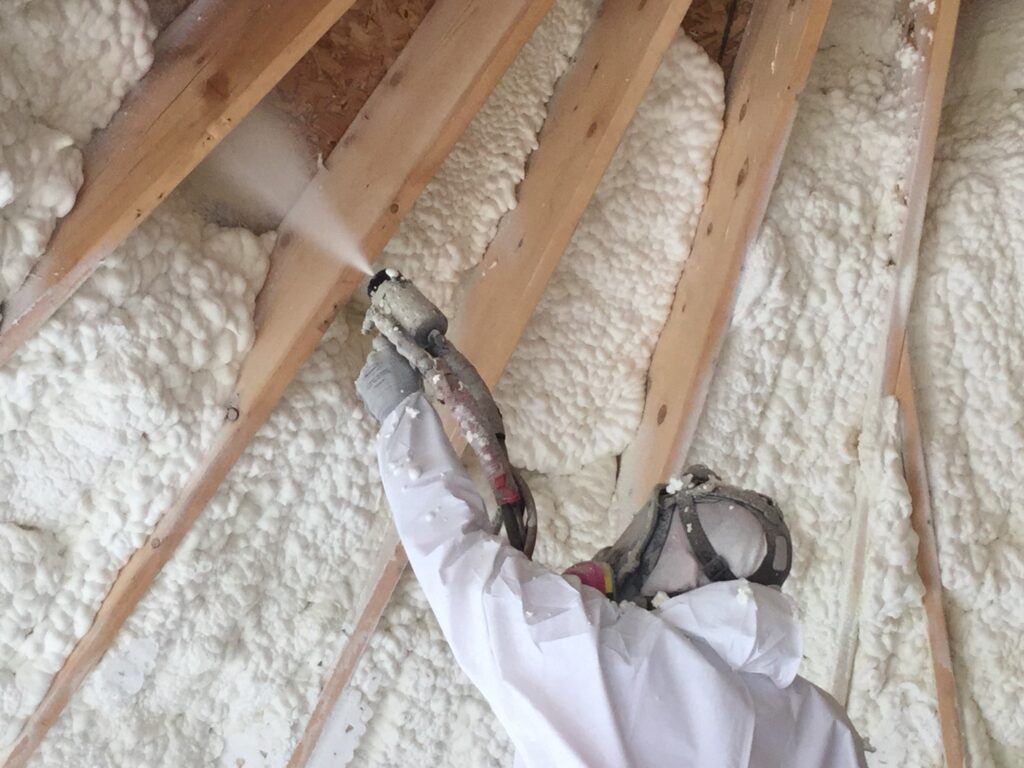
Furthermore, the dust and particulates from local farming can clog porous insulation types. Over several years, this buildup reduces the material's ability to trap air. Choosing a seamless solution often helps mitigate these regional challenges by creating a permanent bond with the structure.
Bonus Tip: Check your roof deck for signs of "ghosting" or dark streaks. These marks often indicate where heat is transferring through the metal, suggesting that the insulation underneath has failed or was never installed correctly.
How to verify the quality of your current barrier
You can perform a simple visual inspection without hiring a professional. Look at the areas where the wall meets the ceiling. If you can see light through any gaps, your building is leaking air. Check the thickness of your current material; if it has compressed to less than half its original height, its effectiveness is gone.
Another test involves checking your HVAC run times. Modern systems should be able to reach a set temperature and then shut off for a period. If your units run continuously throughout the day, the building is not holding its "charge" of cool air. This is a classic sign of an inefficient thermal envelope.
How to restore your building's thermal efficiency
Once you confirm that your insulation has failed, the next step is determining the best path forward with professional Commercial Insulation Services in Exeter CA. Removing old, contaminated material is often necessary if mold or pests are present. Modern techniques allow for the application of high-performance materials directly over some existing structures, but this depends on the condition of the substrate.
Updating your facility can lead to immediate improvements in air quality and noise reduction. It also increases the overall value of the property, making it more attractive to future tenants or buyers. Investing in better thermal protection is one of the most effective ways to lower your overhead costs permanently.
Evaluate your long-term facility goals
It is important to look at insulation as a structural investment rather than a simple maintenance task. The money you save on monthly utilities can be redirected into new equipment, employee benefits, or business expansion. High performance materials often pay for themselves much faster than owners realize, especially in high heat zones.
Take the time to walk through your facility and check for these five signs. If you find multiple indicators of failure, it is likely time to consult with an expert who understands the specific needs of industrial buildings in the Central Valley.
Reach out to Supreme Spray Foam – Fresno for expert assistance
If you suspect your facility is losing money due to poor thermal performance, speaking with a professional can help you find a lasting solution. You can contact Supreme Spray Foam – Fresno by calling (559) 545-0800 or emailing [email protected] to discuss your specific needs. They offer a wide range of options, including Commercial Spray Foam Insulation and specialized repairs. Request a free quote today to see how you can improve your building's efficiency and protect your long term investment.
Frequently Asked Questions About Commercial Insulation
How long does commercial insulation typically last?
Most traditional materials like fiberglass or cellulose last between 15 and 25 years. However, factors like moisture, pests, and building movement can significantly shorten this lifespan, leading to performance issues much sooner.
Does spray foam insulation provide better ROI than fiberglass?
Yes, while the initial cost is higher, spray foam provides a superior air seal and higher R-value per inch. This leads to lower monthly utility bills and less wear on HVAC systems, usually resulting in a faster return on investment.
Can I install new insulation over my old failed material?
In some cases, yes, but it is not always recommended. If the old material is wet, moldy, or infested with pests, it must be removed to ensure the health of the building and the effectiveness of the new installation.
What is the best R-value for warehouses in Exeter?
The ideal R-value depends on your specific building code and the type of work you do. Generally, higher R-values are needed in the ceiling than in the walls to combat the intense overhead sun common in the Central Valley.
Will better insulation really lower my maintenance costs?
Absolutely. When your building stays at a consistent temperature, your HVAC system does not have to cycle on and off as frequently. This reduces mechanical wear and tear, leading to fewer repairs and a longer lifespan for your expensive cooling units.