


Failing blown-in insulation often shows itself through uneven indoor temperatures, rising energy bills, and signs of pest activity or moisture damage in your attic. When the material settles, loses its loft, or becomes contaminated, it stops trapping heat effectively.
You can identify these issues by performing a visual check of your attic floor. If the depth of the material has decreased significantly or appears matted, your home is likely losing heat through the ceiling. This guide explains how to spot these problems early and what steps you can take to restore your home comfort.
Industry professionals understand that insulation longevity depends on material type and initial installation quality. Proper thermal protection remains a standard for energy efficiency in colder climates.
Visual Signs of Insulation Failure
You should start your inspection by looking at the thickness and consistency of the material. Over time, loose-fill cellulose or fiberglass can settle, reducing its R-value, which measures its ability to resist heat flow.
- Visible floor joists: If you see the wooden joists peering through the insulation, the depth has likely fallen below recommended levels.
- Matted or compressed texture: Insulation should look light and fluffy. If it looks flat or clumpy, it has lost the air pockets that prevent heat transfer.
- Discoloration or stains: Dark streaks or patches on the insulation often indicate air bypasses or water leaks.
- Signs of pests: Look for nesting materials, droppings, or tunnels. Rodents often destroy insulation while building homes in the warmth of your attic.
Performance Indicators of Ineffective Insulation
Sometimes the insulation looks fine, but the performance tells a different story. You may notice comfort issues even when your heating or cooling system runs constantly.
- Inconsistent room temperatures: If some rooms feel much colder or hotter than others, your insulation is likely failing to provide a uniform thermal barrier.
- High energy bills: When your HVAC system works harder to compensate for lost heat, your monthly utility costs will climb without a clear explanation.
- Drafty ceilings: If you feel cold air moving around ceiling light fixtures or attic hatches, you have air leaks that demand attention.
- Ice dams in winter: Heat escaping through a poorly insulated attic warms your roof deck, causing snow to melt and refreeze at the eaves, which leads to damaging ice dams.
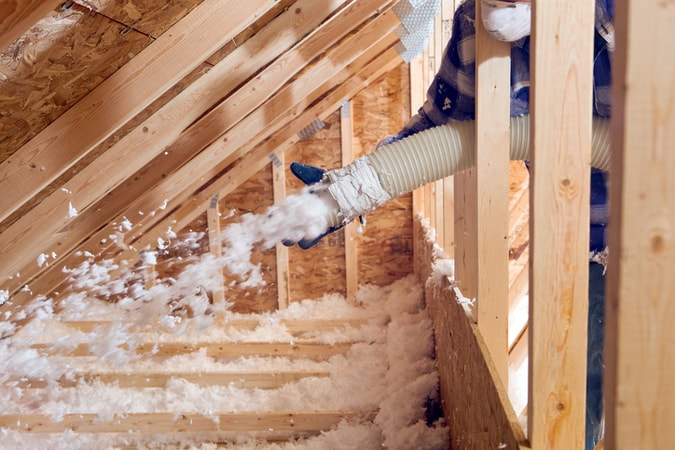
Comparison of Common Blown-In Materials
Understanding what type of material currently sits in your attic helps you decide on the right repair strategy. Each material behaves differently when it ages or faces environmental stress.
| Material Type | Typical Lifespan | Common Failure Mode | Moisture Sensitivity |
|---|---|---|---|
| Loose-fill Cellulose | 20 to 30 years | Settling and compression | High |
| Fiberglass Blow-in | 25 to 40 years | Settling and air infiltration | Moderate |
| Mineral Wool | 30+ years | Minor shifting | Low |
Things to Consider Before Starting Repairs
Before you decide to add more insulation or replace what you have, evaluate the condition of your attic space. Installing new material on top of old, damaged, or wet insulation rarely solves the underlying problem.
- Moisture and mold: If you find damp spots or mold growth, you must fix the roof leak or ventilation issue first. Adding new insulation over wet material will trap moisture and rot your roof decking.
- Air sealing: Before blowing in new material, you must seal air leaks around plumbing stacks, chimneys, and electrical wires. Insulation stops heat transfer, but it does not stop airflow.
- Safety equipment: Always wear a dust mask, goggles, and long sleeves when working in an attic. Older insulation may contain hazardous materials like vermiculite or may simply release large amounts of dust and irritants.
Bonus Tip: Check your soffit vents before adding new insulation. Ensure the air intake paths are clear so you do not block the ventilation that keeps your roof deck cool and dry.

Steps to Address Failing Insulation
If your inspection reveals that your insulation is beyond saving, you must follow a structured approach to restore your attic's efficiency. Skipping these steps often leads to recurring problems.
- Remove contaminated material: If pests or water have ruined the insulation, you should remove it entirely using professional-grade vacuum equipment.
- Seal all penetrations: Use expanding foam or caulk to close gaps where air escapes from your living space into the attic.
- Install ventilation baffles: These plastic or cardboard channels prevent insulation from covering the soffit vents, keeping airflow consistent.
- Install new insulation: Choose a material that meets current R-value requirements for your region.
Bonus Tip: Consider the R-value requirements specific to your geographic area. Northern climates often require higher R-values to handle extreme temperature fluctuations throughout the year.
How to Reach Out for Professional Guidance for Your Attic Needs
When you find that your insulation has settled, become wet, or shows signs of pests, you should speak with a specialist to discuss the best path forward. Lamothe Insulation provides expert guidance on assessing whether your current setup requires a simple top-off or a complete removal and replacement. You can reach their team at (508) 847-0119 or send an inquiry to [email protected] to learn more about your options for restoring home efficiency.
Common Questions About Attic Insulation Maintenance
How do I know if my insulation is moldy?
Mold often presents as dark, fuzzy, or spotted growth on the insulation surface or the surrounding wood framing. It usually carries a musty odor. If you see signs of mold, you must address the moisture source before adding or replacing insulation to prevent health risks and structural decay.
Can I just add new insulation over the old stuff?
In many cases, yes. If your existing insulation is dry, clean, and free of pests, you can add more to reach the desired R-value. However, if the old material is wet, moldy, or compacted, you should remove it first to ensure the space remains healthy and functional.
Does insulation type matter for energy savings?
Yes. Different materials offer varying levels of resistance to heat flow per inch. Cellulose generally provides a higher density, which helps block air movement, while fiberglass is lightweight and provides excellent thermal resistance when installed at the proper depth.
How often should I inspect my attic insulation?
A visual inspection every two to three years is good practice. During this check, look for changes in depth, signs of moisture, or new entry points for pests. Early detection saves you from expensive repairs down the road.
Why does my house feel cold even with new insulation?
If your attic is well-insulated but your home still feels drafty, you likely have air leaks elsewhere. Walls, windows, and doors are common culprits for air leakage. Professional air sealing works alongside insulation to keep your indoor temperature steady and your energy bills predictable.
Maintaining Your Home Comfort
Failing insulation impacts your wallet and your comfort level throughout the year. By identifying signs of settling, moisture, or pest damage, you take control of your home maintenance strategy. Always focus on solving moisture problems and sealing air leaks before adding new material. Taking these actions protects your home structure and improves your energy efficiency for the long term. Evaluate your attic regularly to ensure your insulation continues to perform as intended.