


There is a widely accepted belief that acne is simply the result of dirty skin. This idea has shaped countless skincare routines built around frequent washing, deep cleansing, and constant attempts to remove oil and impurities. Yet, many people who follow strict cleansing habits still struggle with persistent breakouts. This contradiction reveals a deeper truth. Acne is not just about cleanliness, and over-focusing on it can actually make things worse.
In fact, even using a cleanser for sensitive acne prone skin multiple times a day can lead to unexpected breakouts if the skin barrier is disrupted in the process. Clean skin is important, but over-cleansing can create the very problems it is meant to solve.
Understanding the Hygiene Illusion
The hygiene illusion is the idea that more cleansing equals healthier skin. While it sounds logical, the skin does not function like a surface that needs constant scrubbing. It is a living system with its own balance of oils, bacteria, and protective mechanisms.
When this balance is disturbed, the skin reacts. Instead of becoming clearer, it may:
- Produce more oil to compensate for dryness
- Become irritated and inflamed
- Develop more frequent breakouts
This is not because the skin is unclean, but because it is trying to restore balance.
Why Over-Cleansing Backfires
Cleansing is essential, but there is a threshold beyond which it becomes harmful. Using strong or frequent cleansing methods strips the skin of its natural lipids. These lipids are crucial for maintaining hydration and protecting against external irritants.
When they are removed:
- The skin becomes dry and tight
- Oil production increases as a defense mechanism
- The barrier weakens, allowing irritants to penetrate
This creates a cycle where you cleanse more to fix the problem, but the problem persists because of the cleansing itself.
The Role of the Skin Microbiome
The skin is home to a complex ecosystem of microorganisms known as the microbiome. These bacteria are not harmful. In fact, they play a key role in maintaining skin health by preventing the overgrowth of acne-causing bacteria.
Excessive cleansing disrupts this ecosystem. When beneficial bacteria are reduced, harmful bacteria can multiply more easily. This imbalance can trigger inflammation and lead to breakouts.
Healthy skin is not sterile. It is balanced.
What Research Says About Skin Barrier Damage
Scientific research supports the link between over-cleansing and skin barrier damage. According to a study published by the National Center for Biotechnology Information, excessive washing and the use of harsh cleansers can compromise the skin barrier, leading to increased irritation and susceptibility to acne.
This highlights an important point. Skincare should focus on preserving the skin’s natural defenses rather than stripping them away.
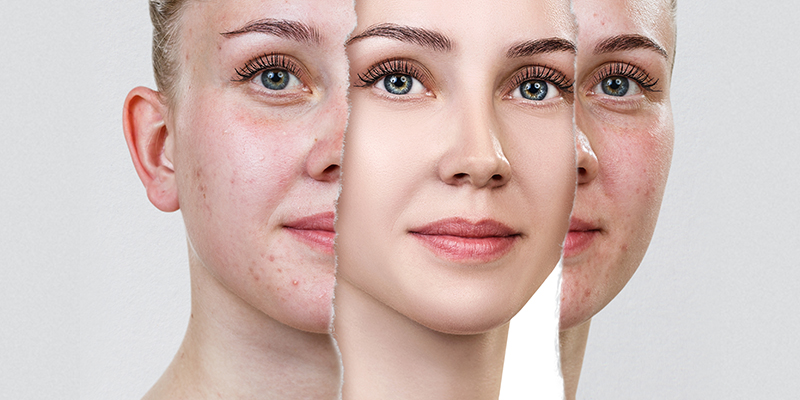
The Myth of Immediate Results
One reason people over-cleanse is the desire for instant results. After washing, the skin often feels smoother and less oily, which creates the illusion of improvement. However, this effect is temporary.
Within hours, the skin may:
- Produce more oil than before
- Feel tighter and more sensitive
- Become more prone to breakouts
True improvement takes time. It cannot be rushed through aggressive cleansing.
Shifting from Removal to Support
Instead of focusing solely on removing oil and impurities, skincare should aim to support the skin’s natural functions. This means choosing gentle products and using them appropriately.
A balanced approach includes:
- Cleansing twice a day instead of multiple times
- Using products that do not strip natural oils
- Following up with hydration and barrier support
This allows the skin to maintain its equilibrium rather than constantly trying to recover from disruption.
Why Targeted Solutions Work Better
Not all breakouts require full-face intervention. In many cases, localized treatment is more effective and less disruptive to the skin as a whole.
Targeted solutions focus on specific areas without affecting the rest of the face. This minimizes irritation and preserves the overall balance of the skin.
Instead of applying multiple layers of products everywhere, it is often better to treat only where necessary.
The Rise of Precision Skincare
Modern skincare is moving toward precision rather than intensity. This means using products that address specific concerns without overwhelming the skin.
One example of this approach is the use of localized treatments that protect and heal individual breakouts. These solutions work by creating an environment where the skin can recover naturally without interference.
This shift reflects a deeper understanding of how the skin functions and what it truly needs to heal.
Hydration Is Not the Enemy of Acne
Many people with acne avoid moisturizing because they fear it will clog pores. However, dehydration can actually make acne worse. When the skin lacks moisture, it compensates by producing more oil, which can lead to clogged pores.
Proper hydration:
- Balances oil production
- Strengthens the skin barrier
- Improves overall skin texture
The key is choosing lightweight, non-comedogenic formulations that support the skin without overwhelming it.
Consistency Over Correction
Skincare is not about constantly correcting problems as they appear. It is about creating a stable environment where problems are less likely to occur in the first place.
Consistency allows the skin to:
- Adapt to products
- Strengthen its natural defenses
- Heal more efficiently
Frequent changes and aggressive treatments disrupt this process, leading to unpredictable results.
Recognizing Signs of Over-Cleansing
It is not always obvious when cleansing becomes excessive. However, the skin often provides clear signals.
Common signs include:
- Tightness immediately after washing
- Increased oiliness later in the day
- Redness or sensitivity
- Breakouts that do not improve despite frequent cleansing
These signs indicate that the skin is being overworked rather than supported.
Balancing Cleanliness and Care
Clean skin is important, but it should not come at the cost of the skin’s natural balance. The goal is not to remove every trace of oil or bacteria but to maintain a healthy environment where the skin can function properly.
This balance requires:
- Gentle cleansing
- Thoughtful product selection
- Patience and consistency
When these elements come together, the skin becomes more resilient and less prone to breakouts.
The Role of Smart Breakout Management
Managing breakouts does not always require aggressive treatments. Sometimes, the most effective approach is to protect the affected area and allow it to heal naturally.
This is where targeted solutions like a pimple patch come into play. By covering the breakout, they help reduce external irritation, prevent picking, and create a controlled environment for healing.
This method aligns with the broader shift toward minimal, supportive skincare.
Conclusion
The hygiene illusion has led many people to believe that clearer skin comes from more cleansing. In reality, over-cleansing often disrupts the skin’s balance and contributes to ongoing breakouts. By shifting the focus from constant removal to thoughtful care, it is possible to achieve healthier, more stable skin. Combining a gentle cleansing routine with targeted solutions like a pimple patch allows the skin to heal without unnecessary stress, leading to more consistent and lasting results.
Call to Action
Break free from over-cleansing and discover a smarter approach to skincare. Explore balanced, effective solutions at World of California and build a routine that supports your skin instead of stripping it.
FAQs
1. How often should I cleanse my face if I have acne?
Twice a day is usually enough to keep the skin clean without causing irritation.
2. Can over-cleansing really cause more breakouts?
Yes, it can disrupt the skin barrier and increase oil production, leading to more acne.
3. Are gentle cleansers effective for acne?
Yes, they help maintain balance while still removing impurities.
4. Do I need separate treatments for every breakout?
Not necessarily. Targeted treatments can be more effective than full-face applications.
5. Is it okay to use a pimple patch daily?
Yes, as long as it is used on active breakouts and not on unaffected skin.