


If you or a loved one is seeking the best doctors for hernia surgery, it’s crucial to understand not only what hernias are but also the treatment options and how to choose top medical professionals for your care. Best Doctors for Hernia Surgery can make a world of difference in your recovery and long-term health. In this article, we’ll explore what hernias are, their treatment options, the process of hernia surgery, and how to find the best hernia surgeons for safe, successful outcomes.
What is a Hernia?
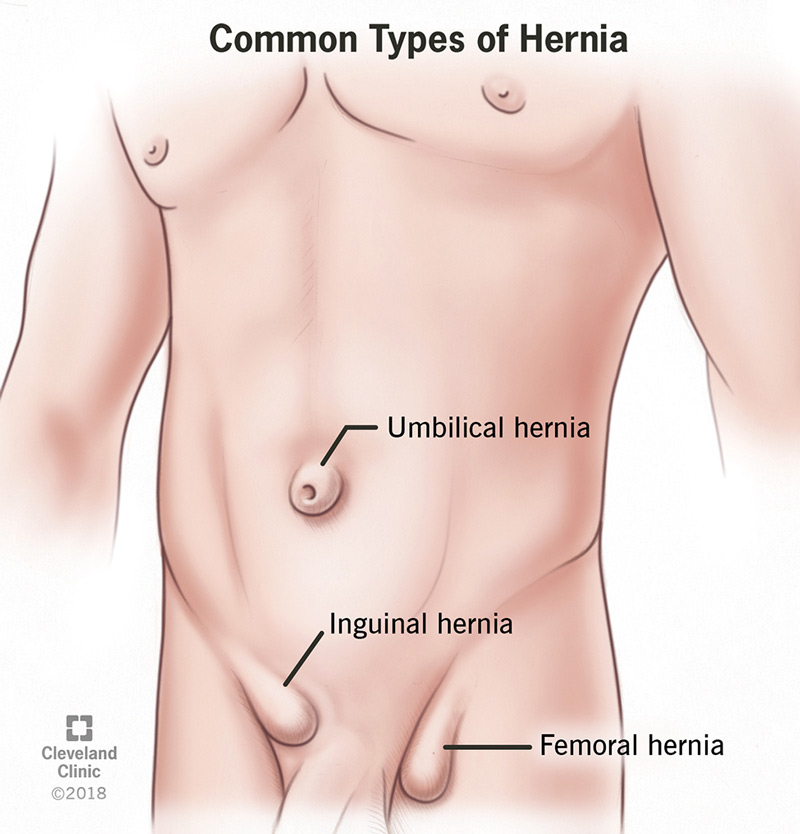
A hernia occurs when an organ or tissue pushes through a weak spot in the surrounding muscle or connective tissue. The most common types are inguinal (inner groin), femoral (outer groin), umbilical (belly button), and incisional (resulting from an incision). Hernias can cause discomfort, pain, visible bulges, and, in some cases, serious complications if left untreated. While some hernias are present at birth, others develop over time due to factors such as heavy lifting, obesity, pregnancy, or chronic coughing.
Symptoms and Risks of Hernia
The primary symptom of a hernia is a bulge or lump in the affected area. Other symptoms can include pain or discomfort, especially when bending over, lifting, or coughing. Some hernias may be painless and only discovered during a routine medical exam. However, untreated hernias can lead to complications like bowel obstruction or strangulation, where the blood supply to the tissue is cut off—a medical emergency requiring immediate attention.
Hernia Treatment Options
Hernias do not heal on their own. The only effective treatment is surgical repair. However, the urgency and type of surgery can vary depending on the hernia’s size, location, and whether it causes symptoms. In some cases, doctors may recommend watchful waiting for small, asymptomatic hernias, but most hernias eventually require surgical intervention.
Types of Hernia Surgery
There are two primary approaches to hernia surgery:
- Open Hernia Surgery: In this traditional method, the surgeon makes an incision in the groin or abdomen, pushes the protruding tissue back in place, and repairs the weakened area with stitches and, often, a synthetic mesh to reinforce the muscle wall.
- Laparoscopic (Minimally Invasive) Hernia Surgery: This method involves several small incisions rather than a single large one. The surgeon uses a laparoscope (a thin tube with a camera) and special instruments to repair the hernia. This approach often results in less pain, shorter recovery time, and smaller scars.
The type of surgery recommended depends on the hernia’s characteristics, your health, and the surgeon’s expertise.
What Makes a Doctor the Best for Hernia Surgery?
Choosing the best doctor for hernia surgery is vital for a successful outcome. Here’s what to consider:
- Board Certification and Training: Look for surgeons who are board-certified in general surgery and have specialized training in hernia repair.
- Experience: Surgeons with extensive experience in both open and minimally invasive hernia repairs can offer the safest and most effective treatment.
- Reputation: Patient reviews, testimonials, and referrals from your primary care physician can help you gauge a surgeon’s reputation.
- Hospital Affiliation: Top doctors often practice at accredited hospitals with advanced technology and high safety standards.
- Communication Skills: The best doctors listen to your concerns, explain procedures clearly, and make you feel comfortable about your care choices.
- Personalized Care: Every patient is unique. The best doctors tailor their surgical approach to your specific needs and medical history.
How to Find the Best Doctors for Hernia Surgery
- Research Credentials: Check online directories, hospital websites, and professional organizations like the American Hernia Society.
- Read Reviews: Look for independent patient reviews and ratings.
- Consultations: Schedule consultations with prospective surgeons to discuss your case and assess their approach and bedside manner.
- Ask Questions: Inquire about their experience, complication rates, and the types of hernia surgeries they perform most often.
Recovery After Hernia Surgery
After hernia surgery, most patients can return home the same day. Recovery time depends on the type of surgery and your overall health. Laparoscopic procedures typically allow faster return to normal activities, often within a week, while open surgeries may require a longer recovery. Following your surgeon’s post-operative instructions, avoiding heavy lifting, and attending follow-up appointments are essential for a smooth recovery.
Potential Risks and Complications
Like any surgery, hernia repair carries some risks, including infection, bleeding, pain, or recurrence of the hernia. Choosing an experienced surgeon reduces these risks and ensures you receive the highest standard of care.
Conclusion
Finding the best doctors for hernia surgery is a key step toward effective treatment and swift recovery. Take the time to research your options, consult with top-rated surgeons, and select a professional who meets your needs. For more information on hernia surgery or to find leading specialists near you, consult your healthcare provider, visit reputable medical resources, or use trusted platforms like Consult Grab.
Consult Grab connects patients with the best doctors and hospitals for expert treatment and surgery recommendations—helping you make informed decisions for your health and recovery. Choosing the right doctor ensures you get the best care for your hernia, leading to a healthier, more comfortable future.