


Many assume that homes with good photos are beautiful. Big windows. White walls. The light from the beach pours across the windows. It sounds easy, doesn't it? But it's not. Cameras can't perceive the same way the eyes do. Rooms that feel comfortable in real life may appear bland, boring and almost dead in photos. It happens all the time.
It's the place where a San Diego home interior photographer is needed. One who knows how light flows through a room, how furniture placement influences composition and how tiny angles affect the entire space. Realtors are aware of this. Designers are even more aware. Photos that are not appealing can derail interest before buyers even click over the next image.
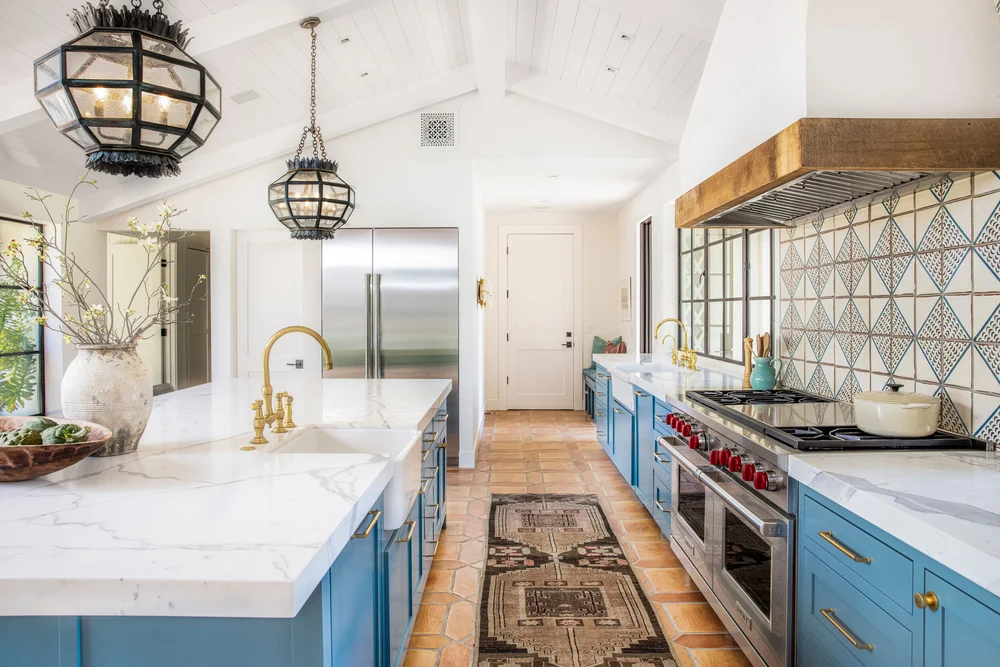
Photography of interiors is the nebulous space between the storytelling of architecture as well as technical accuracy. It's not about capturing an area. It's shaping how one imagines living in it. This sofa's corner transforms into an ideal spot for a coffee on Sundays. That kitchen island? This is now where dinner conversation takes place.
If the photographer doesn't get that sensation, the whole picture will fall apart. The space may be gorgeous however the photo doesn't reflect that.
Photography isn't a way to sell the house on its own. It's a way to get users to put down their screens. That's a big part of the challenge today.
The Difference Between Regular Photography and Interior Work
Most photographers believe that they shoot interiors. Some even believe it. It's not just shooting a camera into the room, hoping for it to work.It's technical. Sometimes it's very technical.
The vertical lines should be straight. Colors must appear real, not excessively warm or strangely blue. Reflections from windows and mirrors need to be taken care of. Lighting should shine naturally, without blowing highlights. The details may seem minor yet together they make the distinct difference between amateur and professional tasks.
Interior experts work through layers. Foreground, mid-ground, background. The furniture is adjusted just a little. Rotate a chair two inches. Get rid of a random object in the table since it draws attention.
Strangely enough, many of the greatest lessons in interior design come from commercial projects. Check out San Francisco commercial photography projects for instance. Restaurants, offices, boutique hotels -these areas rely on visual storytelling to draw customers. Similar principles apply directly into residential interiors.Composition. Balance. Visual flow.The homes deserve the same amount of care. Not quick snapshots.
What Clients Usually Get Wrong When Hiring a Photographer
Let's face it. People hire upon price first. Portfolio second.This almost always goes backwards.The term "cheap photography" often refers to rushed taking, little editing as well as someone who isn't able to comprehend the concept of interior lighting. Photos may appear "fine," technically speaking. They won't be inviting. It's more crucial than most people think.
The clients also don't look for the sameness. A great portfolio shouldn't contain only two outstanding images, and twenty normal images. It must feel stable. Simple compositions. A balanced light. Spaces that are natural.
If you are looking for a house interior photographer If you are looking for a photographer in San Diego, look for an individual who will treat every space as if it's important. Since it is. Bedrooms. Hallways. Bathrooms. Laundry rooms can also be some of the stories.
Something else? Communication. Photographers who are able to ask more questions typically get greater outcomes. What's the objective of the photo shoot? Real estate listing? Interior design portfolio? Magazine submission?
Every goal has some slight differences in the visuals.Photographers who are good at it know this. The best photographers ask questions before they unpack their camera.
Interior Photography Is Quietly Influenced by Commercial Work
Photography for commercial and residential use have more overlap than many people imagine. Particularly in markets with larger populations that photographers are able to move between different sectors.
Use San Francisco commercial photography for an illustration. The majority of photographers take pictures in retail stores, restaurants, as well as corporate interiors. These spaces are planned to impact the customers. The layout is important. Lighting matters. It is crucial to establish a brand's image.
The homes are distinct, yes however the storytelling principle remains the same.Dining rooms aren't just an area with a table and chairs. It's the place where people gather. Living rooms aren't just furniture. It is a place for conversation, relaxation and the family.Commercial photographers usually bring that mentality into residential photography. They are thinking about the emotional impact. The way someone is feeling after looking at the photograph.
It is not the case that every interior photographer operates like this. Others focus solely on documentation. Straightforward, technical, safe.However, those who are cross-cutting across industries are more likely to create images that have more character. A more story-driven.The truth is, the images stay longer in our minds.
Lighting: The Thing That Makes or Breaks Interior Images
Lighting is the most important aspect. It's also one of the toughest aspects to achieve.Natural light sounds wonderful in principle. The coastal homes of San Diego often have plenty of light. However, strong light can cast dark shadows that can be harsh on the walls and floors. In contrast, rooms that are shaded may appear dull and dead.
The balance of window light and interior light requires patience. Sometimes multiple exposures. Sometimes, subtle artificial light is used for highlighting dark areas.A professional San Diego home photographer isn't merely relying on the light that is present within the space. They design the light. You can control the shape. Blend it until the final image is natural, but refined.This procedure takes some time. One room could require 15 minutes to make adjustments. Move a lamp. Set curtains. Shift camera position. Watch for clouds to clear.
The sound of obsessiveness is a bit overwhelming. It could be.The attention to detail is apparent on the last photographs. Rooms appear bright, but don't feel authentic. Shadows stay soft. Colors stay believable.Designers, buyers, or anyone else who is watching can instantly sense the change.
Styling: Small Adjustments That Transform a Room
Style doesn't necessarily mean re-designing the room. It's much more subtle than that.Perhaps it's a matter of fluffing pillows. The handle of a coffee mug is turned to the side. The removal of a pile of paper off the counter. It's a small thing, but it's a big deal.
However, they are important.Photographers frequently notice the visual distractions homeowners miss. An unbalanced picture frame. An uncluttered corner. The lamp cord is running over the floor.The cleaning of these details brings peace of mind. The eye is focusing on the area itself rather than the random objects.Commercial shoots tackle styling more than. If you've been to high-end San Francisco commercial photography you'll see the way everything is controlled. Every object is a part of the story within the frame.
The shoots that are shot in homes tend to feel more natural. However, this principle is still applicable. The space should be alive, but also not messy.An experienced photographer will know the exact location of that line.Then they fix the problem prior to pressing the shutter.
Equipment Matters... But Not the Way People Think
Camera enthusiasts love to talk about their equipment. Huge lenses. Expensive bodies. Tripods that resemble something that came from the inside of a NASA laboratory.It is true that good equipment can help. Wide-angle lenses let photographers take pictures of entire rooms with no distortion. Tripods help keep photos sharp. Cameras with advanced technology handle high-energy lighting more effectively.However, equipment on its own won't make excellent interiors.You could give away a $10,000 camera to a novice and get poor photos.
The true skill is the control of perspective. Understanding where to put the camera's height. What can be done to ensure that vertical lines remain straight. How to stop instead of stretching the lens further.Even editing plays a role. Corrections that are subtle. Color adjustments. Exposure blending.This is why experience wins over gear nearly all the time.An experienced photographer using small equipment usually outperforms one solely relying on the latest technology.The speed of interior photography isn't what most people would like. Deliberate. Careful.
Editing: The Invisible Half of the Work
Many people assume that the job comes to an end when the pictures are taken. Not even close.Editing is often more time-consuming than shooting itself.
Interior photos require careful mixing of different exposures. Views from windows must be clear without creating too dark. Colours should be consistent with the real world. The floors shouldn't be too bright or grey.A reputable San Diego home interior photographer works for hours to refine the details.
The secret is to be subtle. Editing must enhance the real world, not make something fake. Interiors that have been over-processed look odd such as glowing windows, too rough furniture edges and bizarre colors.The problem is that heavy editing is a common occurrence nowadays. This draws attention to social media, but it rarely portrays the content precisely.Professionals strive for equilibrium. Clean. Natural. It is quiet and polished.If done correctly If done correctly, the viewers will not even notice any editing.The room appears stunning.
Timing a Shoot Can Change Everything
Timing is more important than what the majority of people believe. The morning light is different from the afternoon sun. The look of coastal homes is totally different based on the location of the sun.Certain rooms are best photographed early at the beginning of the morning. Some rooms require late afternoon light to lighten shadows.Professional photographers usually scout ahead for this. What direction does the window have to face? What is the height of nearby buildings? Are trees blocking sunlight?Commercial companies operate this way also. Big San Francisco commercial photography productions may schedule their shootings in specific windows of light to create the perfect setting.
The rules for photography in residential settings aren't always rigid, however planning can be helpful.The rush of shooting in the wrong moment of the day could flatten the whole space.Light conveys the message. If you do it correctly, the space feels alive.It's not there... as it looks normal.
Preparing Your Home Before the Photographer Arrives
It's obvious to prepare, but most people don't realize it.Decluttering is helpful. Cleaning up thoroughly can help. Clear the countertops. Hidden the remote controls. Straighten bedding. Unfold the blinds unless the photographer advises otherwise.
Sometimes, less decorations work more effectively. The excess of decorations can make rooms appear smaller when photographed.Owners of homes should think about smaller personal possessions. Photos of family members. Paper piles. Chargers that are random.This is because these things draw attention away from the area.
A reputable San Diego home interior photographer will help you navigate the procedure prior to. The majority of the time, they will provide an agenda or a quick phone contact. Simple, but simple steps to help make the shoot more smooth.
It doesn't require preparation to be flawless.However, the closer a space is "photo ready," the quicker and more effective the results are.An effort that is done in advance will save time on the shooting.
Why Experience Across Cities Improves a Photographer's Eye
Photographers working in several cities tend to develop more sharper senses.Different architecture styles force adaptation. Lighting patterns vary. Interior trends can vary.
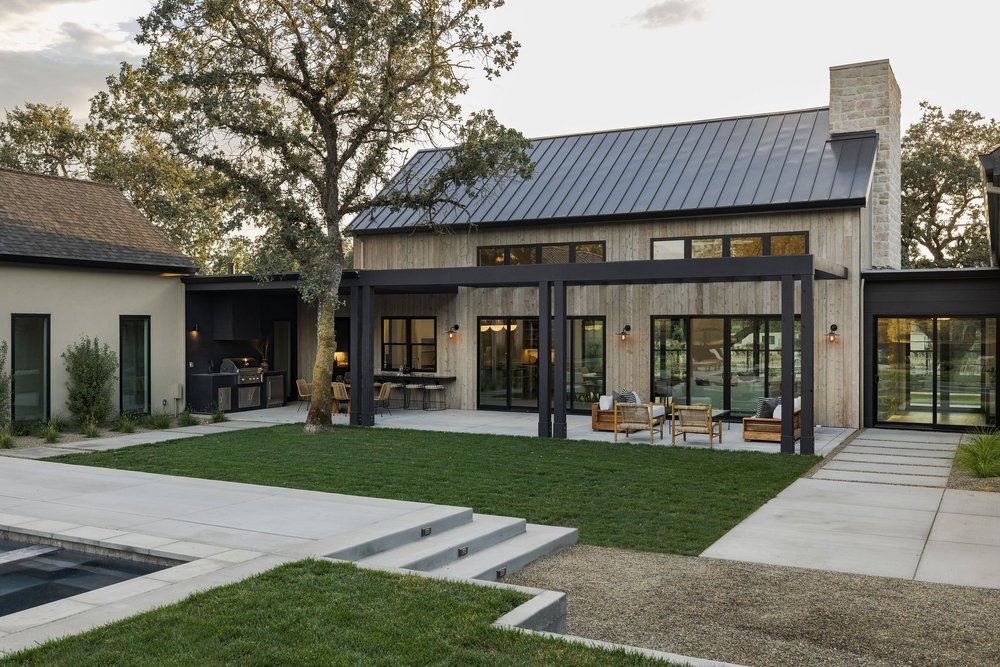
In particular, houses in San Diego often emphasize indoor-outdoor living spaces, big glass doors and vibrant colors of the coast. In contrast, projects related to San Francisco commercial photography may require darker rooms, smaller spaces or contemporary office design.The experience of working in both settings teaches agility.
You will learn to capture the glassy homes with no reflections. Learn how to make small spaces appear spacious. It is learned that a minimal design is more effective than broad coverage.This kind of experience improves visual perception.
The judgment of the camera is revealed through subtle means. Camera placement. Lens choice. Restrictions on editing.Most clients don't notice immediately.The final pictures appear more deliberate. The images are more balanced.
Choosing the Right Photographer Comes Down to Trust
In the final point, photography can be a collaborative endeavor. It's not just a single-person craft.Owners of the home plan their space. Designers design the plan. Agents present the selling points. The photographer converts the information into pictures.
The importance of trust is paramount.It is important to find someone who will listen but who also assists. Someone who knows the meaning that lies behind the location. One who does not rush through the shooting in order to finish the boxes on a job.If people employ a photographer for their home in San Diego photographer They're not simply taking pictures.
They're investing in the way their home will be seen by millions of people online.The first impression counts.Sometimes, it's the distinction between indifference and curiosity.In between someone who is scrolling by... and looking up to see what it would be like.In today's world of visuals this pause the moment that is of curiosity is extremely important.
Frequently Asked Questions
How much will a San los angeles home interior photographer normally price?
The prices vary based on the photographer's how much experience you have, property size and the level of editing. Photographers charge by the image but others will offer complete house packages. The more expensive interior experts can cost more but their control of lighting along with composition and editing tend to produce better results that will benefit the listing or portfolios.
How long will a typical shooting of interiors require?
The majority of residential shoots run anywhere between one and three hours. Larger homes or designer portfolios can take longer. Photographers are constantly adjusting the lighting, refining composition as well as capturing different angles so that the room is accurately represented.
What is it that makes San Francisco commercial photography different in comparison to interior residential photography?
Commercial photography usually focuses on the branding process and user experience. Offices, restaurants, as well as retail locations are often captured to draw in customers or clients. The lighting, composition and storytelling methods used to tell stories in San Francisco commercial photography are often influenced by residential photographers that want their photos of home to appear more professional and full of narrative.
Are homeowners required to stage their homes prior to interior photography?
Staging with light can be very helpful. Removal of clutter, changing furniture arrangement, or adding ornaments can help rooms appear more balanced when photographed. Certain photographers can also offer styling assistance during their shoot.
Interior photography can help you sell homes more quickly?
Most of the time, it is. A well-designed photograph can draw an increased amount of attention on social media as it increases views on listings and shows. As the majority of consumers begin searching online, good photographs play an essential influence on first impressions.