


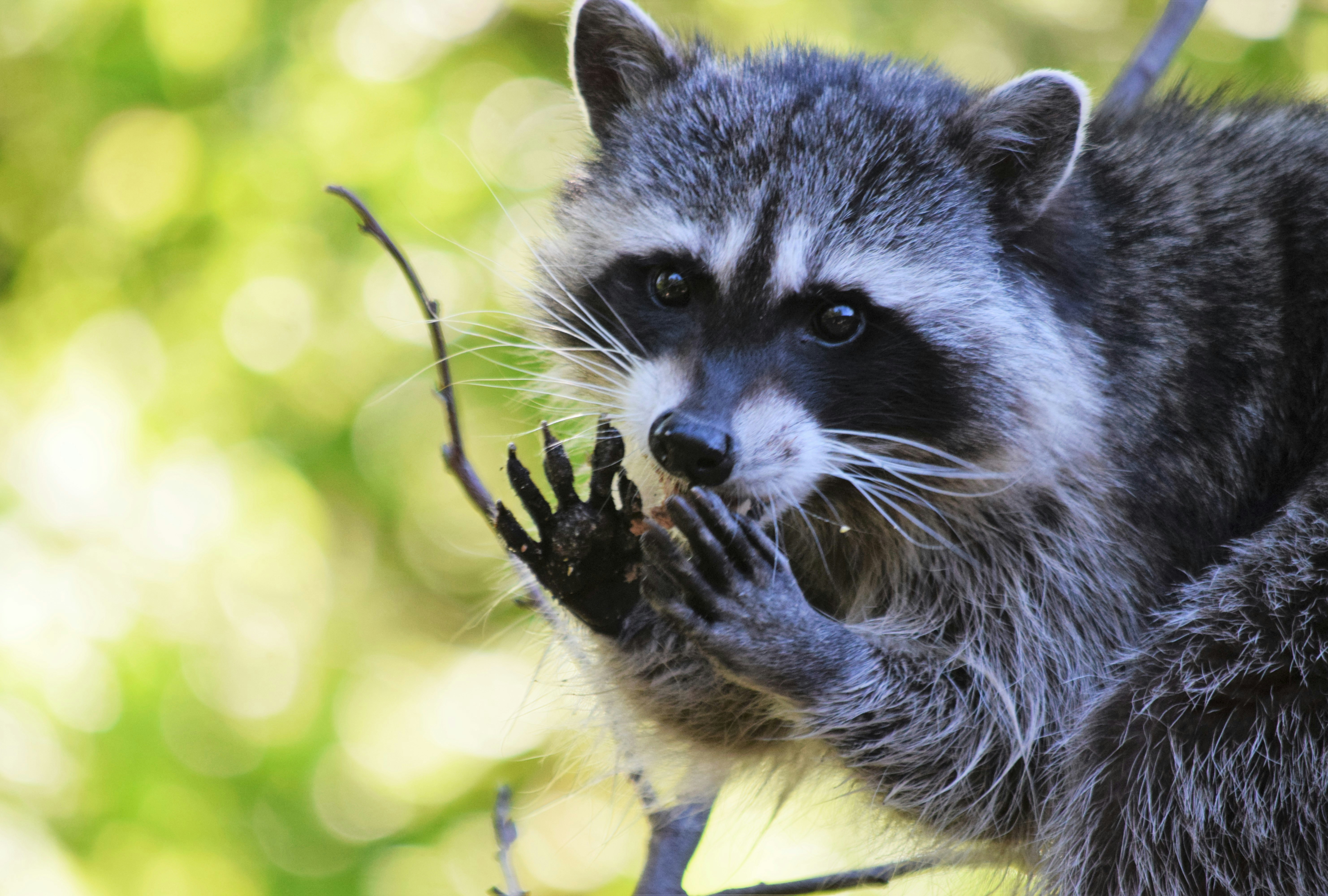
Toronto shares its vibrant urban landscape with a significant population of raccoons, creatures that have become as synonymous with the city's back lanes as maple leaves are with its parks. While these masked mammals are undeniably intelligent and adaptable, their presence inside a home is a serious matter. An infestation can lead to torn insulation, chewed electrical wiring, structural damage, and the spread of diseases like roundworm and leptospirosis. The key to peaceful coexistence is not confrontation, but prevention. By understanding their behavior and meticulously securing your property, you can make your home an unappealing target, ensuring these clever critters find their five-star accommodations elsewhere.
Understanding the Urban Raccoon's Mindset
To effectively prevent raccoons from taking up residence in your attic or basement, you must first understand what drives them. A raccoon's primary goals are simple: seeking shelter, food, and water. Toronto's urban environment provides a smorgasbord of opportunities. Your roof vent isn't just an opening to them; it's a potential doorway to a warm, dry den perfect for raising a litter of kits. Your unsecured garbage bin isn't trash; it's a buffet. They are crepuscular, meaning they are most active at dawn and dusk, which allows them to navigate the city with relative stealth. They possess remarkable dexterity, with front paws that can twist, turn, and pry. Recognizing that they are highly motivated problem-solvers is the first step. Prevention isn't about building an impenetrable fortress, but about removing the obvious incentives and fixing the easy entry points they have learned to exploit over generations.
Fortifying Your Home's Exterior: The First Line of Defense
Your home's roof and soffits are the most common raccoon entry points. A raccoon can tear through loose or rotted soffit panels as easily as cardboard, and a gap of just four inches is enough for an adult to squeeze through. A comprehensive exterior inspection is crucial. Start by examining your roof line for any signs of weakness. Pay close attention to the areas where dormers meet the roof, plumbing vent pipes protrude, and gable vents are located. These are prime access points. Ensure all vent covers are made of heavy-gauge metal and are securely fastened with screws, not just nails which can be pried loose. Trim any tree branches that hang within three to four feet of your roofline, as these serve as convenient highways for raccoons. Similarly, inspect your foundation for cracks or holes and seal them with durable materials like hardware cloth and expanding foam reinforced with metal.
The Critical Importance of Chimney and Vent Security
Chimneys are essentially pre-built caves that attract raccoons, particularly females looking for a safe, enclosed space to give birth. A chimney cap is not an optional accessory in Toronto; it is an absolute necessity. A sturdy, professionally installed metal cap will prevent raccoons, as well as squirrels and birds, from entering. Ensure the cap is in good repair and has no gaps. Beyond the chimney, dryer and kitchen exhaust vents are common targets. The flimsy plastic or aluminum flaps that come standard on many homes are no match for a determined raccoon. These should be replaced or reinforced with heavy-duty metal vent covers designed to withstand animal pressure. Remember to clean your dryer vent regularly, as the scent of lint and fabric softener can be an unintentional attractant.
Securing Food Sources: Garbage and Beyond
A raccoon will not linger on a property where food is scarce. In Toronto, the single biggest attractant is improperly stored garbage. It is essential to use bins with tight-fitting, locking lids. If your city-provided bins are not secure, consider aftermarket bungee cords or straps, or store the bins inside a shed or garage until the morning of collection. Never put waste out the night before. Beyond the garbage can, be mindful of other food sources. Bird feeders are a major raccoon magnet; if you must have them, place them on poles with baffles far from any structures. Pet food should never be left outside, even during the day. If you have a vegetable garden, be prepared to share or invest in fencing. Composters must be properly managed, avoiding the addition of meat, dairy, or oily foods, and using a tumbler-style bin or one with a secure, locking lid.
Landscape Management and Deterrent Strategies
How you manage your yard can either invite or discourage raccoons. Overgrown shrubs and dense vegetation provide excellent hiding spots and sheltered pathways for raccoons to approach your home unseen. Keep your yard tidy, with lawns mowed and bushes pruned to reduce cover. While motion-activated lights and sprinklers can startle raccoons and offer a temporary deterrent, these clever animals often become habituated to them over time. They are more effective as part of a broader strategy rather than a standalone solution. Some homeowners have success with strong smells like coyote urine or ammonia-soaked rags, but these need to be reapplied frequently and can be unpleasant for humans and pets as well. The most reliable landscape strategy is simply to remove harborage—clear away brush piles, store firewood tightly and at least 18 inches off the ground, and keep your property open and exposed.
Recognizing the Signs and Knowing When to Call a Professional
Even with the best preventative measures, it's wise to remain vigilant. Be on the lookout for the telltale signs of a raccoon investigation or infestation. This includes overturned sod on your lawn (as they search for grubs), scattered garbage, visible damage to soffits or roof shingles, and of course, noises in the attic or walls, particularly at night. You might also notice dark streaks or stains on your siding from their oily fur as they repeatedly enter a hole. If you suspect a raccoon has already taken up residence, especially during the spring (March to May) when babies are likely present, it is imperative to call a professional wildlife control service. Attempting to remove a mother raccoon on your own is inhumane and often illegal under Ontario's Fish and Wildlife Conservation Act. Professionals can perform a humane exclusion, ensuring any babies are removed by hand and reunited with their mother outside, before sealing the entry point for good.