


Spray Foam supports modern green building practices by improving energy efficiency, reducing air leakage, and strengthening moisture control within the building envelope. When applied correctly, it limits wasted energy and helps structures meet higher performance standards. This leads to lower utility use and reduced environmental impact over time.
Buildings account for nearly 40 percent of total energy use in the United States. Air leakage alone can waste up to 30 percent of heating and cooling energy. Spray Foam insulation services address these gaps directly, helping property owners meet green building goals without major design changes.
This article explains how Spray Foam experts contribute to sustainable construction, what factors matter before installation, and how to evaluate the right Spray Foam company for long term performance.
Energy Efficiency Drives Green Building Results
Green construction focuses on lowering energy demand. Insulation plays a central role in this effort. Spray Foam services create an air tight seal that reduces unwanted heat transfer.
By sealing cracks and joints, this material limits the need for constant heating or cooling. As a result, HVAC systems run less often and consume less power.
Air Sealing Improves Building Envelope Performance
Air leaks weaken building performance. Gaps around framing, ducts, and rooflines allow outside air to enter.
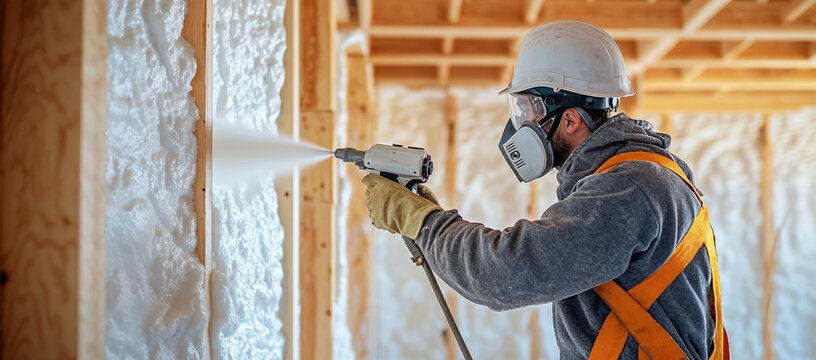
A skilled Spray Foam contractor identifies these weak areas and applies foam to seal them. This continuous barrier reduces drafts and temperature swings.
Impact on Energy Ratings
Homes with improved air sealing often achieve better energy performance scores. This supports green certification goals and improves resale value.
Reduced Carbon Footprint Through Lower Energy Use
Lower energy use means fewer emissions from power generation. Even small efficiency gains add up over years of occupancy.
When Spray Foam experts install high quality insulation, they help reduce long term environmental impact. This supports sustainable design without changing building layout.
Moisture Control Supports Healthier Buildings
Green building also focuses on indoor health. Moisture management is a key factor. Excess humidity can damage materials and affect air quality.
Spray Foam services limit outside air infiltration. This reduces condensation inside walls and ceilings.
Protection Against Mold Growth
Moisture trapped in wall cavities creates ideal conditions for mold. Foam insulation forms a tight seal that lowers this risk.
A reliable Spray Foam company evaluates climate conditions before selecting open cell or closed cell materials. This step ensures proper moisture resistance.
Climate Specific Considerations
In humid regions like South Florida, closed cell foam often provides better moisture control. In colder climates, proper vapor control layers may also be required.
Bonus Tip One
Property owners in coastal zones should ask about moisture resistant options to protect against salt air and high humidity.
Bonus Tip Two
Sealing attic roof decks can reduce heat gain and lower indoor humidity levels during summer months.
Material Performance Compared to Traditional Insulation
Not all insulation materials perform the same. Understanding performance differences helps support green building goals.
Below is a simple comparison of common options used in energy efficient construction.
| Feature | Fiberglass Batts | Blown In Cellulose | Spray Foam |
|---|---|---|---|
| Air Seal Strength | Moderate | Good | High |
| Moisture Resistance | Low | Moderate | High |
| Lifespan | 15 to 20 years | Around 20 years | 20 plus years |
| Structural Support | None | None | Adds rigidity |
Spray Foam experts often recommend foam for projects targeting higher energy ratings. Its air seal strength helps reduce energy waste more effectively than traditional materials.
Waste Reduction and Long Term Durability
Green building values durability. Materials that last longer reduce landfill waste and replacement costs.
Spray Foam services create insulation that adheres directly to surfaces. This reduces sagging or settling over time.
Long Service Life Reduces Replacement Needs
Many foam systems last over 20 years without significant performance loss. Fewer replacements mean fewer raw materials used over the building’s life.
A knowledgeable Spray Foam contractor ensures proper thickness and coverage. This protects performance and extends lifespan.
Support for Modern Construction Methods
Foam works well with metal buildings, wood framing, and mixed material designs. Its flexibility allows use in both residential and commercial projects.

Things to Consider Before Making a Decision
Before selecting Spray Foam services, property owners should review several factors.
First, assess building design. Vaulted ceilings, metal roofs, and crawl spaces may require specific application methods.
Second, review local climate. Humid regions demand strong moisture control. Cold regions require higher thermal resistance.
Third, consider ventilation systems. Air tight buildings need balanced airflow to maintain indoor air quality.
Fourth, request a detailed inspection from a trusted Spray Foam company. A full evaluation ensures proper material choice and coverage depth.
Additional Guidance on Project Planning
Green building goals should align with long term energy savings. Property owners should review expected occupancy length and maintenance plans before selecting insulation type.
Questions People Ask About Spray Foam
Does spray foam qualify for green building certifications
Yes. Many green programs value air sealing and energy efficiency. Properly installed foam can help meet energy performance standards required for certification.
Is spray foam safe for indoor environments
Once cured, foam insulation remains stable and inert. Professional installation ensures proper ventilation during application.
How does spray foam reduce thermal bridging
Foam expands into small gaps around framing. This limits heat flow through cracks and joints that traditional batts may miss.
Can spray foam improve comfort in older homes
Yes. Retrofitting attics and wall cavities can reduce drafts and uneven temperatures in aging structures.
Does spray foam work in metal buildings
Yes. Foam adheres to metal surfaces and reduces condensation. This makes it suitable for warehouses and agricultural buildings.
Green Building Starts with Smart Insulation Choices
Modern green building depends on energy efficiency, moisture control, and long lasting materials. Spray Foam services address all three areas with a single application.
When installed by skilled professionals, foam insulation supports better energy ratings and healthier indoor conditions. Property owners should evaluate building design, climate needs, and long term goals before choosing a solution.
Thoughtful planning ensures insulation decisions align with both environmental responsibility and practical performance.
Connect with a Knowledgeable Spray Foam Provider
Property owners seeking guidance can consult All in Overhall for professional evaluation and installation support in South Florida. They provide tailored recommendations based on building type and climate demands.
For more information about available Spray Foam services, readers may contact them at (561) 406-3835 or email [email protected]. Their team assists clients in selecting insulation options that support energy efficiency and sustainable construction goals.
Author: Richard Hall founded ALL IN OVERHALL, Your Local Spray Foam Insulation Company in Jupiter, FL, on January 3, 2022, to offer honest and reliable insulation services across South Florida. He focuses on clear communication and careful workmanship to improve comfort and reduce energy costs. His team helps homeowners and businesses create spaces that stay cooler and more efficient year-round.
Reviewer: Lucas Mitchell has 6 years of experience in spray foam insulation. He reviewed this article and helped refine the ideas to strengthen the brand's presence and reach homeowners seeking reliable insulation.